
Where to begin depends on what your room already has going on.
If the rug, curtains, or art carry strong pattern, choose a calm sofa; if everything is plain, one bold piece can lead. Either way, the mix reads as collected once 2 or 3 main colors repeat, plus 1 accent.
1. Choose an Anchor Piece
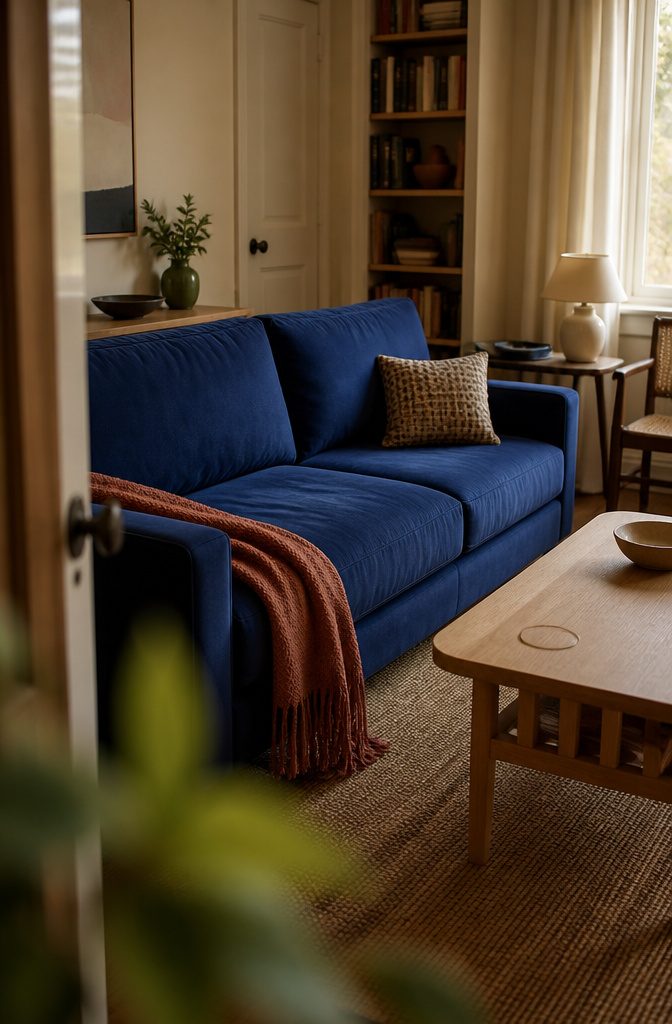
Start with one piece that leads the room, and choose everything else after it.
The sofa is the practical pick: it is the largest item, so tables, chairs, and textiles can answer to it. A rug, large artwork, or a wall feature works too.
If the room feels plain, make the anchor bold.
One colorful sofa or cabinet becomes the focal point. If the rug, curtains, art, or an accent chair already carry strong color or pattern, pick a calmer sofa instead.
Stick to one anchor.
A second statement piece competes with the first, and the room reads as chaotic instead of layered. Keep the furniture around it simple so the anchor gets the attention.
Recommended Products

Soft Decorative Layer: Sized at 18 x 18 inches, these covers feature a smooth flannelette texture that enhances the comfort of living rooms, bedrooms, or guest areas, helping create a relaxed and inviting atmosphere.


Exquisite Embroidered Design: This throw pillow cover features exquisite hand-embroidered 3D textured designs that are durable, fade-resistant, and offer a soft, advanced touch to elevate your home decor
2. Keep a Neutral Foundation
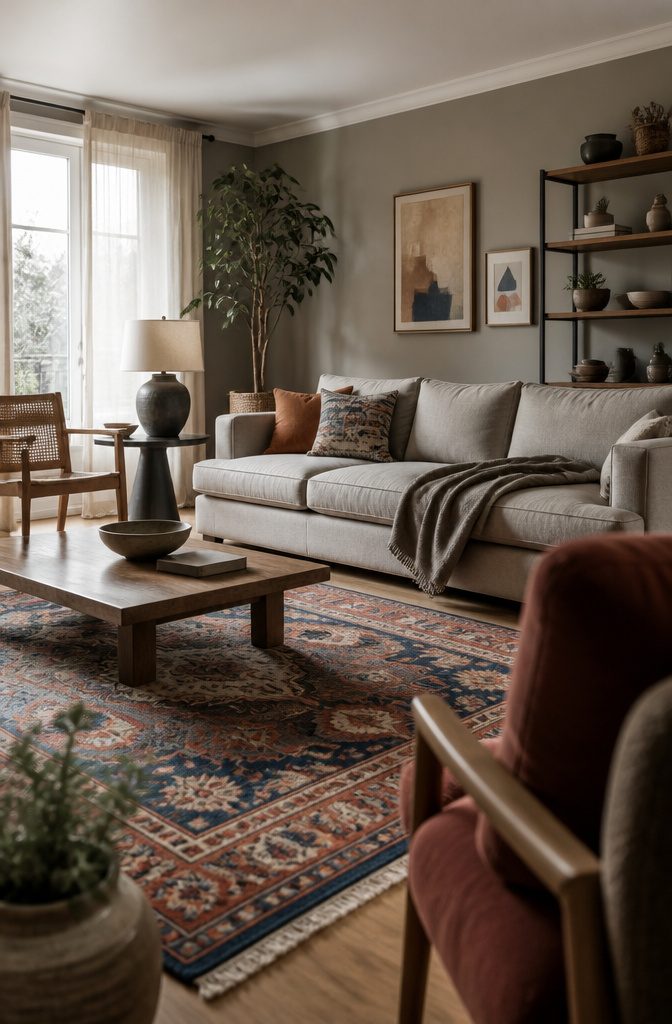
Make the largest piece neutral unless the rest of the room is plain.
If your rug, art, curtains, or an accent chair already carry strong color or pattern, a calm sofa keeps the room from feeling overfull. A bare room can take one bold sofa or cabinet as the focal point.
Neutral large pieces keep swaps cheap, because pillows, throws, and art cost far less to replace than a sofa.
A framed print can run $30. Before buying, picture the piece with a different rug, wall color, or artwork.
Choose a simple silhouette, a durable material, and a color that pairs with several palettes. If it only works with one exact look, skip it.
Recommended Products

QUALITY MATERIAL: The pillow cover is composed of a soft and comfy corduroy which is a kind of polyester fabric, features a cute and elegant boho stripe design. Our pillow covers are of good workmanship, they are tightly sewn without loose threads.
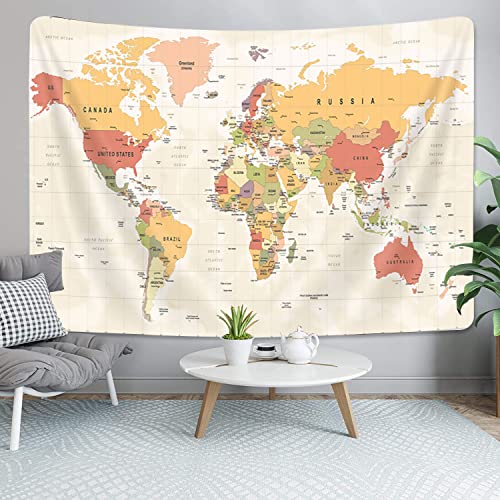
3D Printing - The Travel Map Tapestry is made of polyester fabric, which durable enough to be home decor for wall art. This hanging tapestry comes with vivid colors bring happy feel with you and your family.

Material: Made of High quality durable linen blend, comfortable to touch and lay on. Quality fabric, hide your old pillow patterns perfectly. This material does not pilling or shedding, and holding up well after long time of use
3. Use a Shared Color Thread
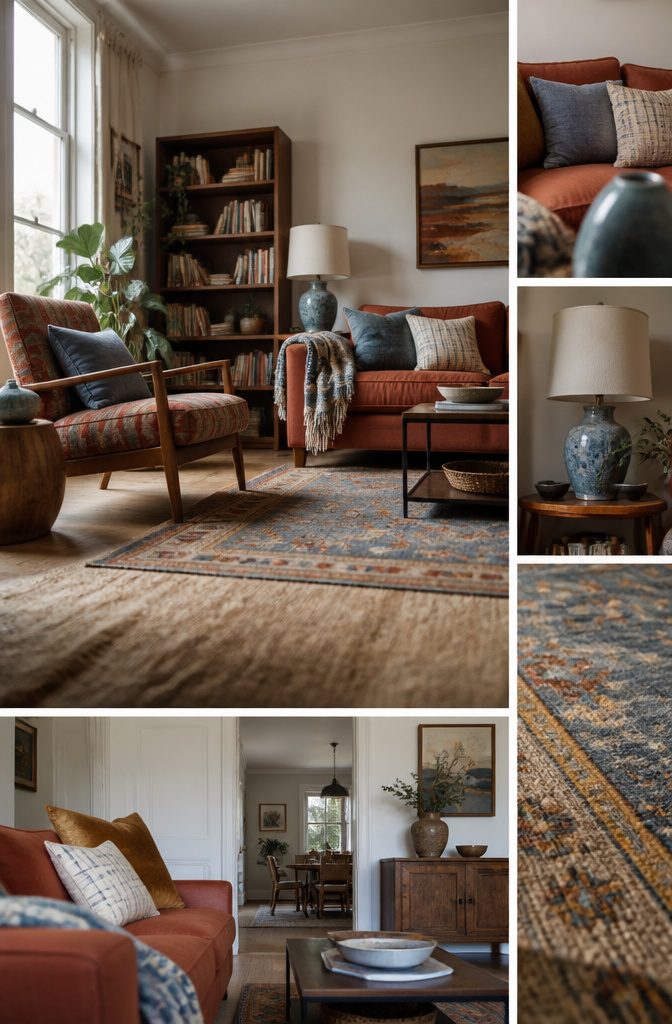
Stick to 2 or 3 main colors plus 1 accent, and repeat them until a mismatched sofa, a vintage chair, and a thrift-store lamp read as one group.
Pull the shades from something you already own, such as a rug, a large piece of art, or an upholstered chair.
Pick the 2 or 3 colors that show up most, then bring them back in pillows, a throw, a lamp base, or a vase.
A bigger palette can work, but each extra color needs to appear in more than one spot.
Rust in the artwork, the pillows, and the rug looks planned. One bright object with no match elsewhere in the room looks like a stray.
Recommended Products

Modern Abstract Design: Elevate your living space with the RUGSREAL Machine Washable Area Rug, featuring a contemporary abstract solid pattern that seamlessly blends with modern decor. Ideal for adding a touch of sophistication to any room

Made from soft polypropylene yarns with durable jute backing—designed for lasting comfort and indoor use

Durable polypropylene pile with sturdy jute backing delivers lasting shape retention and everyday resilience; soft, comfortable underfoot yet engineered to handle busy homes with kids, guests and pets.
4. Mix Eras With Intention
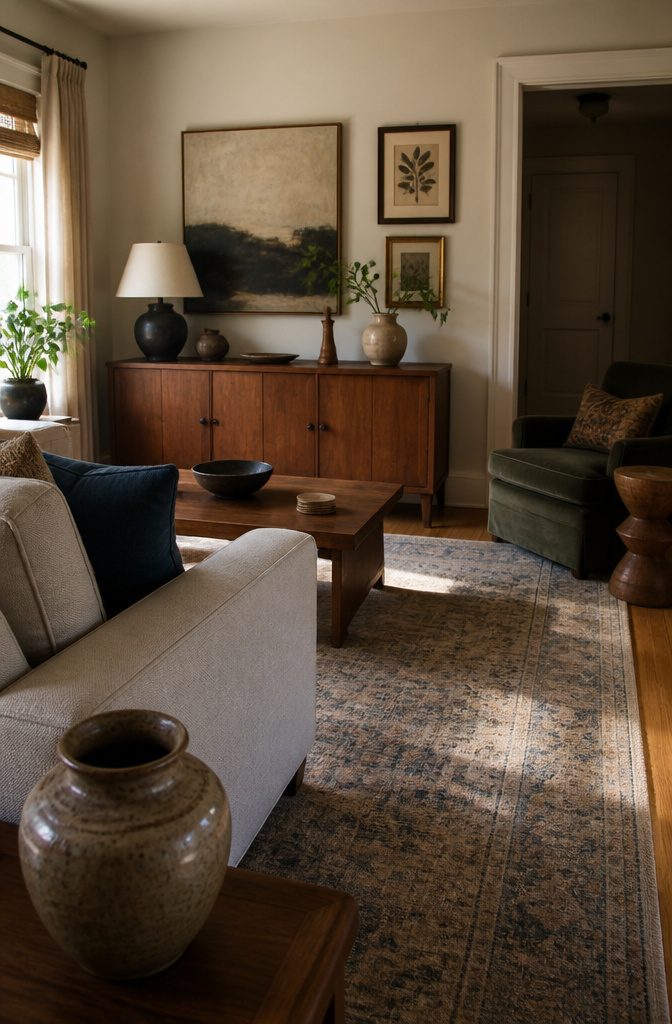
Pick 3 or 4 styles and let one of them lead. A room that leans mostly modern reads as chosen when the sofa, table, and cabinet stay clean-lined and calm, because the largest pieces set the tone before anything else does.
Then layer in vintage artwork, a textured rug, a sculptural lamp, or handmade ceramics. Those smaller pieces can be expressive since the furniture underneath is quiet.
Give the eras one point of connection, such as a repeated wood tone or a color that appears in both the old rug and the new pillows.
Choose pieces you actually use and like, so the room reflects how you live instead of copying one style.
Recommended Products

Mid-Century Charm - This lounge chair has a mid-century charm with its extra pillows, widened arms, and flared legs. The green color of the fabric complements the walnut color of the frame, which will fit in with any of your home decor styles.

👍𝗦𝗧𝗬𝗟𝗜𝗦𝗛 & 𝗦𝗔𝗙𝗘 𝗥𝗢𝗨𝗡𝗗𝗘𝗗 𝗗𝗘𝗦𝗜𝗚𝗡 — Prioritizing safety and style, this small round end table features smooth, rounded edges to prevent injuries, particularly in homes with children or elderly family members. Its contemporary aesthetic complements any living space while offering peace of mind.

1.【Eco-Friendly Digital Printing】 Crafted with eco-conscious digital printing and soft organic cotton, these decorative pillow covers are as sustainable as they are stunning. Thanks to excellent color fastness, the vibrant patterns resist fading and stayresh-looking even after many washes. Gentle on the skin and free from irritation — perfect for everyday comfort.
5. Connect Furniture by Shape
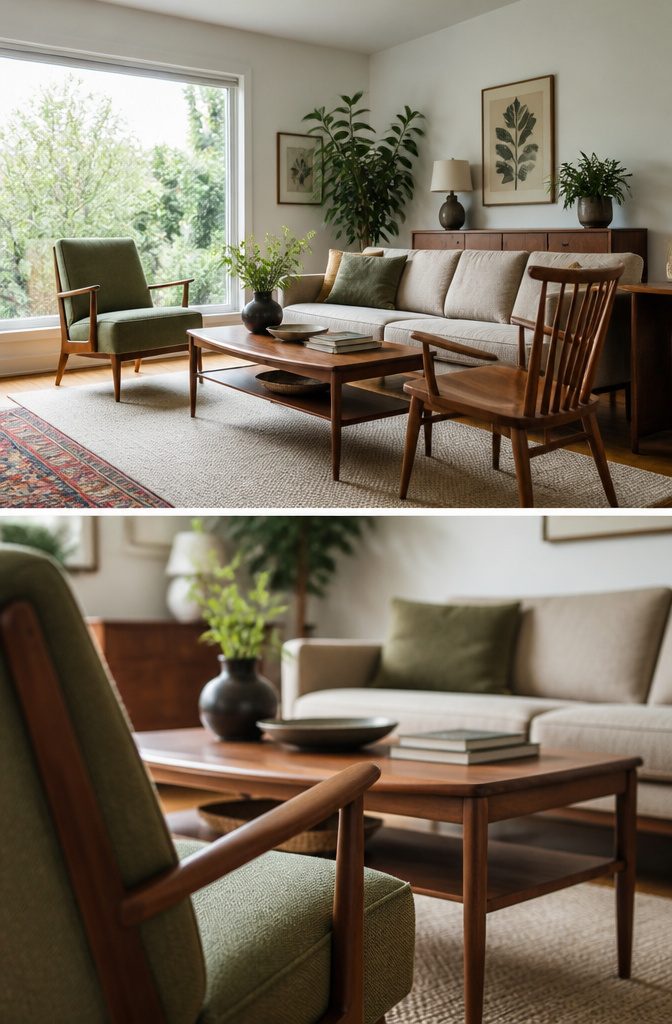
Mixed furniture reads as collected when each piece shares one trait with something nearby.
Pick one link per pair: outline, scale, color, or material. A vintage chair beside a modern sofa works when both sit at the same leg height or carry the same wood finish.
Accent chairs in different styles hold together if they share a color or texture. The olive green of a mid-century couch, for example, can repeat in a pair of chairs.
Scale matters as much as style. A delicate vintage chair looks lost next to a deep sectional, and a small coffee table looks accidental in front of a large sofa.
Check that each piece fits the room’s size and does its job before you buy it for its looks.
Recommended Products

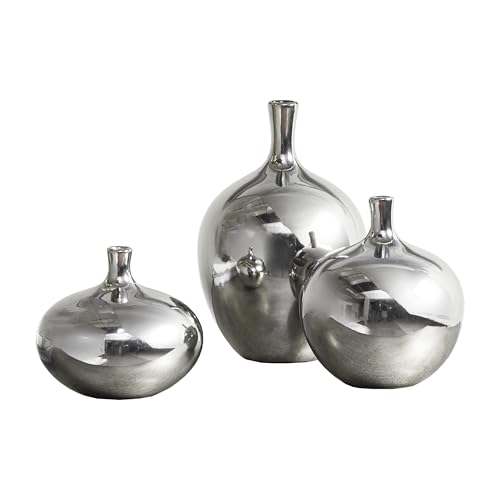
Perfect size: S: 5.3 × 5.5, ø: 0.98 inches, M: 7x 7.4, ø: 1.3 inches, L: 8.8 × 9, ø: 1.5 inches (we only sell vases).
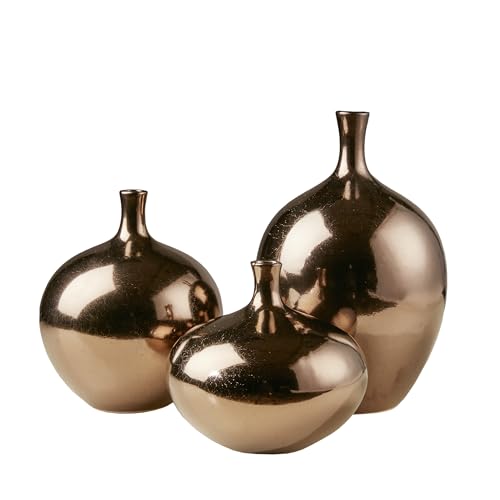
Madison Park Signature High quality ceramic vases with metallic finish

Made of great quality glazed ceramic. The flat and stable round base ensures a secure placement.
6. Layer Materials and Textures
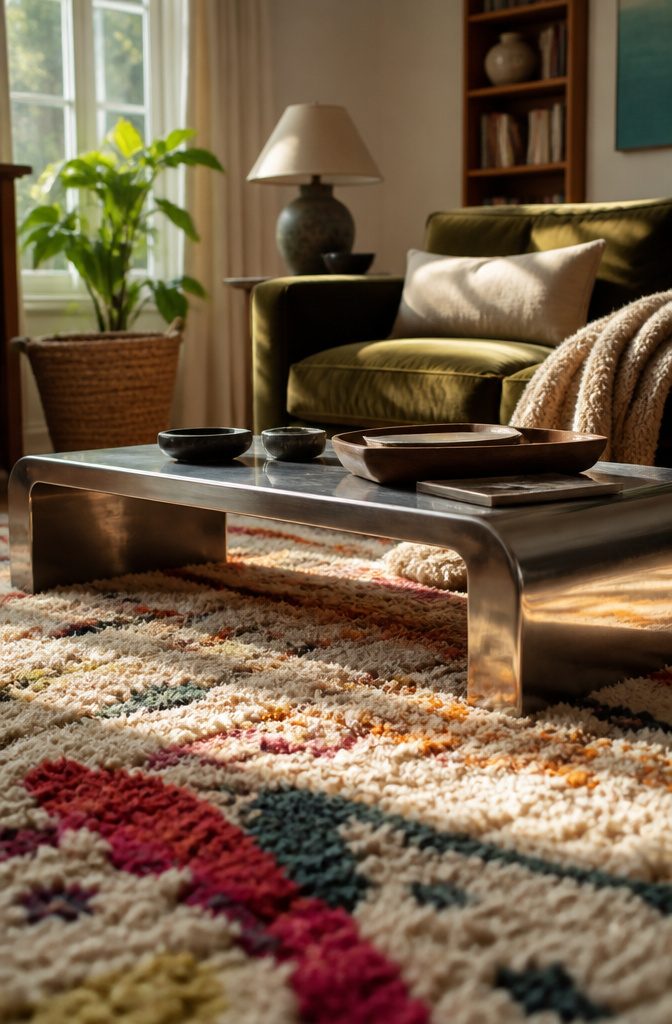
Pair hard surfaces with soft ones so no single material takes over. A metallic coffee table sits best on a colorful plush rug, where the cool shine and the deep pile pull against each other.
Add a leather or velvet sofa, a woven basket, a wood side table, and a ceramic lamp, and the room gains depth without needing more color.
Swap the soft layers first. Pillows and throws are the cheapest layers to change on a weekend budget, so try a nubby wool throw and a linen pillow beside a velvet one before you spend on a rug or upholstery.
If a room feels flat, add one rougher texture before adding another pattern.
Recommended Products

Jungle Leopard Canvas Wall Art :1 Pcs 12x16in (30x40cm) professionally framed in a sleek gold framed.Ready to Hang

Package includes: 1 throw pillow. (Please Note: PILLOW COVER ONLY, NO CUSHION INSERT)

Luxurious Maximalist Animal Design: This cheetah wall art features a relaxed leopard resting on an ornate emerald sofa surrounded by rich floral details and vibrant colors. The dramatic composition creates a bold maximalist atmosphere for living rooms bedrooms lounges and eclectic interiors
7. Use Art on the Walls
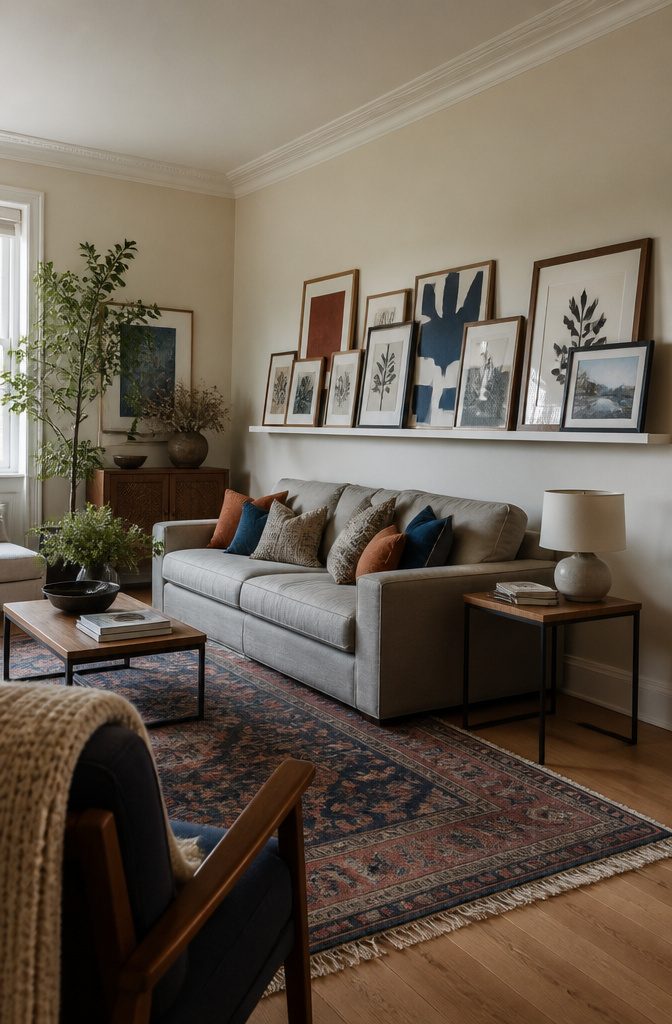
A gallery wall works with any style, which makes it the easiest way to tie a mixed room together. Vary the frames and photos, but pull every piece toward one or two colors already in your sofa, rug, or pillows.
Framed art that looks like gallery work can cost as little as $30, so spend on a couple of pieces you love and fill the gaps with cheap prints.
If you rent, a picture ledge beats a grid of nail holes. A ledge lets you swap art in minutes, lean frames against each other, and change the look when your taste shifts.
A mural sets a stronger mood, so keep it to one feature wall and let the rest of the room stay calmer.
Recommended Products

【Thick Chenille & Textured Charm】Experience the perfect blend of style and comfort. Crafted from thick, heavyweight chenille, these covers feature a unique slubbed texture and structured piped edges. The irresistibly soft, chunky fabric feels substantial in your hands, adding a layer of cozy luxury to any room.

Chic Design: Designed with neutral elements and rustic accent inspired fabrics, these Cozoomy decorative pillow covers will add a touch of comfy to your home. Enjoy a cozy home with Cozoomy throw pillow covers!

Package Description: Cushion cover only, no insert. 24x24 Inches / 60x60 cm. 1 Piece.
8. Repeat Details for Order
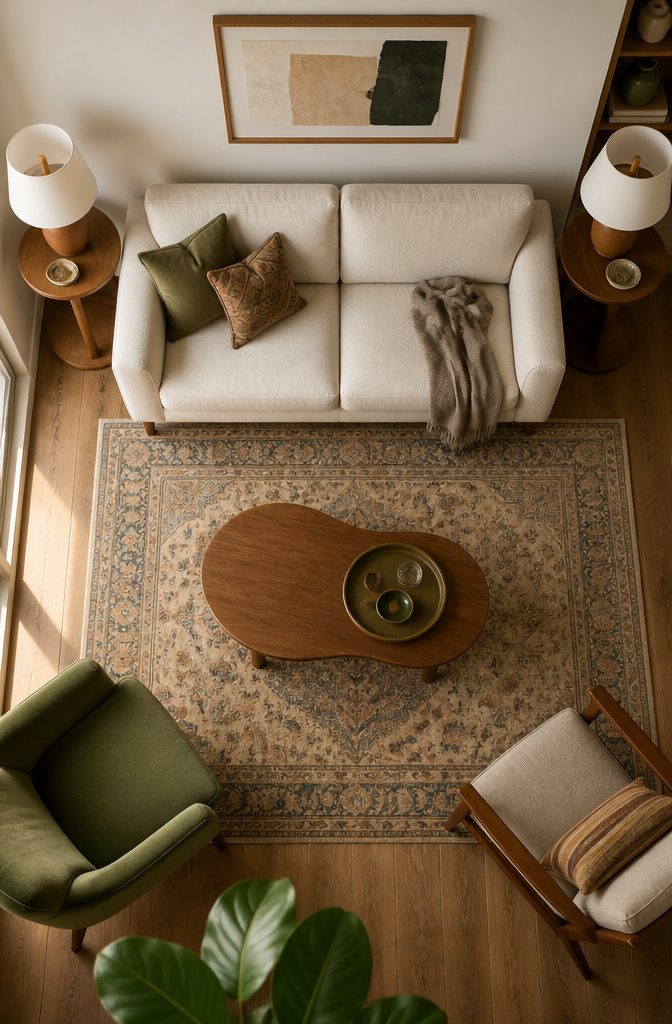
Pairs give a mixed room its quickest sense of order.
Two matching lamps on either side of the sofa, or two identical chairs facing each other, frame the space symmetrically, so the odd coffee table and rug between them read as a choice.
Thrift-store lamps work fine as long as they match each other.
Repeating a material does the same job across the whole room. Pick one, such as brass or a warm wood, and repeat it in at least 3 places: a picture frame, a lamp base, a table leg.
Spread those spots out, one low, one at mid height, one high, so the eye travels around the room instead of stopping at a single corner.
Recommended Products

Durable polypropylene pile with sturdy jute backing delivers lasting shape retention and everyday resilience; soft, comfortable underfoot yet engineered to handle busy homes with kids, guests and pets.

TRUSTED BRAND: Mayberry Rug is a 100% American owned small business providing unique high value rugs. This rug comes from Mayberry’s American Destination collection which highlights styles and themes from all over the country. Each rug is meticulously designed by a design professional to capture the essence of rural America.

TRUSTED BRAND: Mayberry Rug is a 100% American owned small business providing unique high value rugs. This rug comes from Mayberry’s American Destination collection which highlights styles and themes from all over the country. Each rug is meticulously designed by a design professional to capture the essence of rural America.
9. Leave Breathing Room
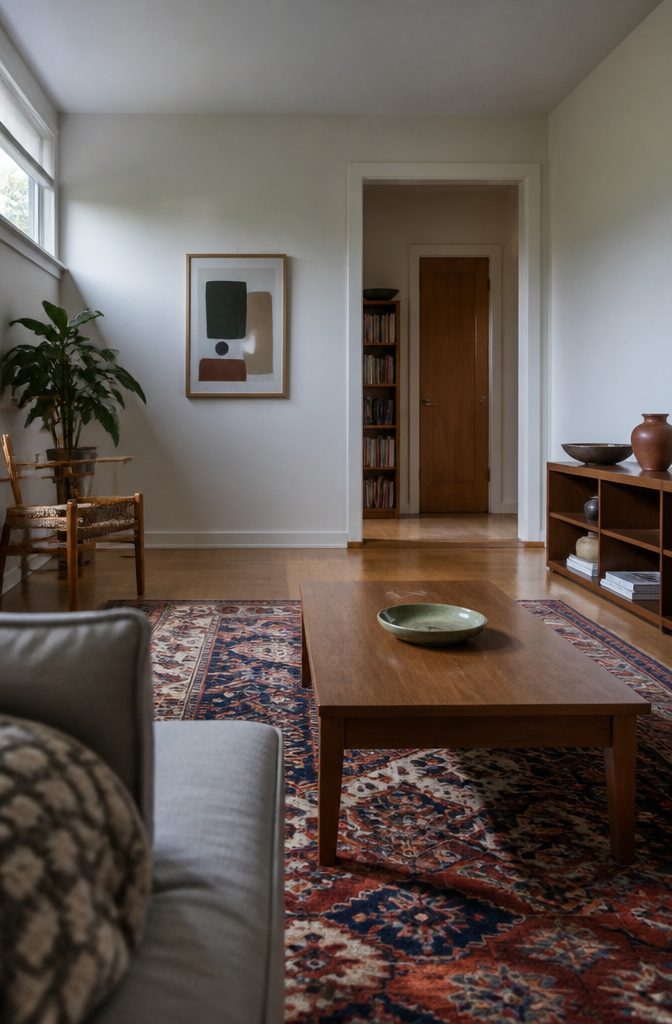
A bold rug, a vintage cabinet, a sculptural lamp and dramatic art are each fine alone, but together they compete for the same glance.
Let one piece lead, let a few support it, and keep the rest plain. A patterned rug works best with simple furniture around it, so the pattern reads as a choice instead of noise.
Leave some surfaces empty, too. A coffee table, a shelf or a stretch of wall with nothing on it gives the eye somewhere to rest.
Before you add another object, remove one and see whether the room feels calmer. If it does, the new piece may not be needed.
Recommended Products

Vintage Arm Chair: This vintage accent chairs elevate your living room, This armchair features nailhead trim, vintage wooden legs and a beautiful patterned design for a traditional and chic look, making it a perfect addition to any living room.

Mid-Century Charm - This lounge chair has a mid-century charm with its extra pillows, widened arms, and flared legs. The brown color of the fabric complements the walnut color of the frame, which will fit in with any of your home decor styles.

Vintage Arm Chair: This vintage accent chairs elevate your living room, This armchair features nailhead trim, vintage wooden legs and a beautiful patterned design for a traditional and chic look, making it a perfect addition to any living room.
10. Add Collected Pieces
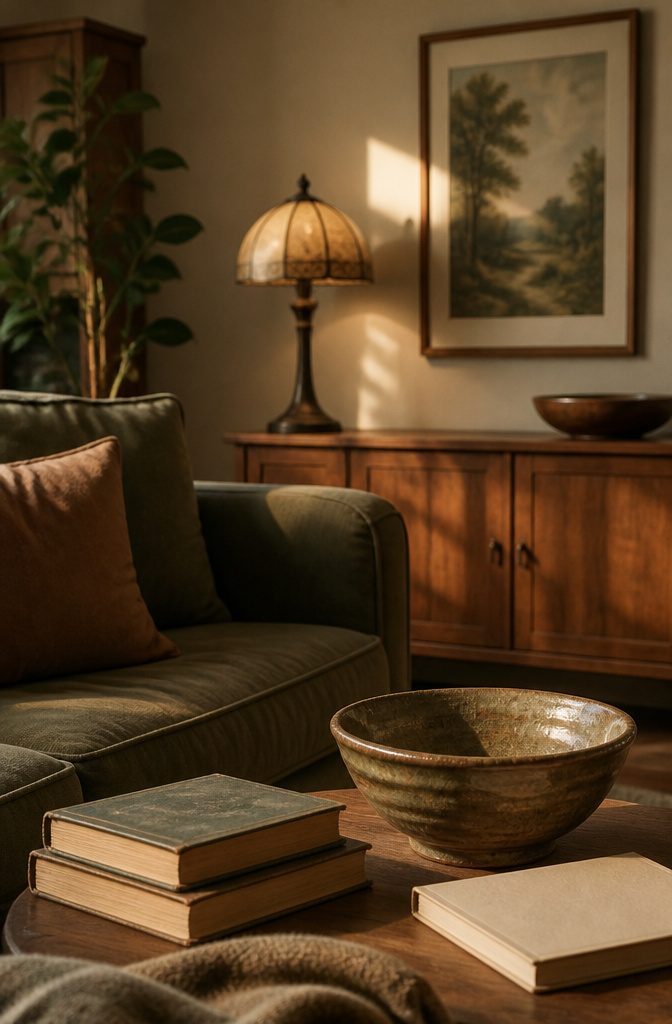
Add personal pieces last, once the anchor, storage, and repeated details are in place. Those choices give the room structure, so the objects you love sit on top of it without reading as clutter.
A vintage lamp, a handmade bowl, a framed print from a trip, or a stack of books you actually read are things a catalog can’t sell you. They are what separate an eclectic living room from a showroom.
Thrift stores and flea markets are the cheapest places to find one-of-a-kind pieces. Buy only what you’d keep even if it didn’t match, then check that it shares a color or material with something already in the room.
Recommended Products

Exquisite Size:Pink Ceramics Balloon Dog 10.5*4.0*10.2cm / 4.13*1.57*4.02 inches. Well made, Super shiny and feels sturdy. Love this little decor item

【Perfect Size】Measuring 6.3 inches wide and 7.4 inches high, ideal for both fresh and artificial flowers.
Madison Park Signature High quality ceramic vases with metallic finish
Small Living Rooms
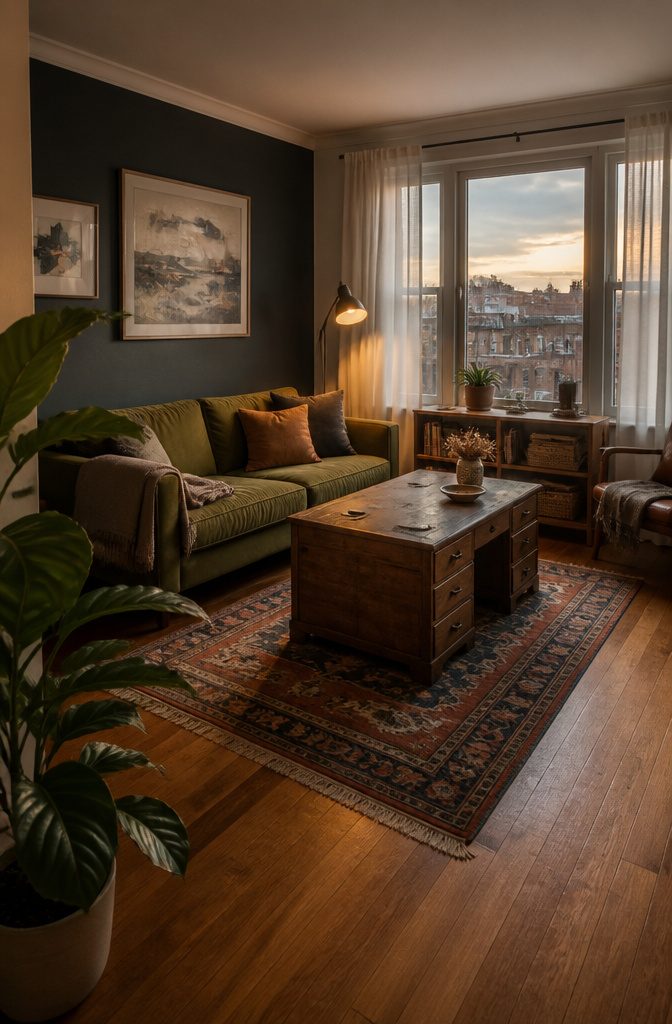
Yes, eclectic style works in a small apartment as long as the biggest pieces stay controlled.
Pick a bold couch, a coffee table with a metallic glint, and a plush rug with a splash of color. Those three carry the look without extra furniture or accessories.
Let art, lighting, and textiles supply the personality, since they use wall and surface space instead of floor space.
Keep one main focal point, because a small room can’t hold several competing ones. A repurposed desk makes a good coffee table if you want character without buying anything new, and dark walls can add drama without adding objects.
Plan Storage First
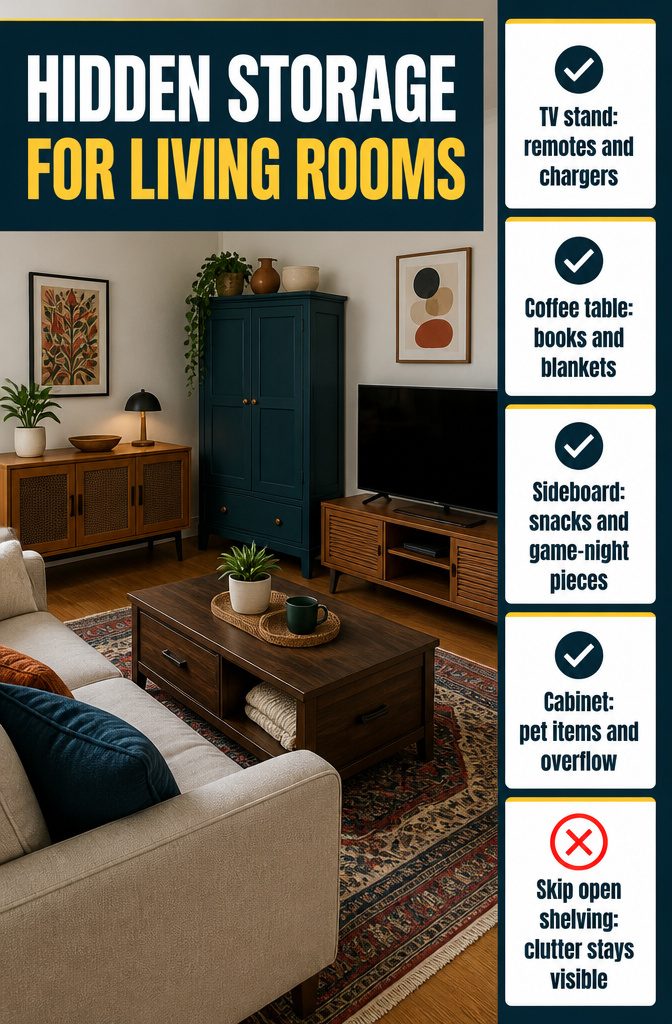
Daily clutter piles up fast in a real living room, so choose closed storage before you buy more decor.
Then the surfaces stay clear for the pieces you actually want to show. Match each piece to what it hides:
- TV stand: remotes and chargers.
- Storage coffee table: books and blankets, right at sofa height.
- Sideboard: snacks and game-night pieces.
- Cabinet: pet items and anything that doesn’t fit elsewhere.
Open shelving doesn’t count here. It moves the clutter onto display instead of out of sight.
Frequently Asked Questions
What is eclectic design?
Eclectic design is a deliberate, personal mix of eras, patterns, and finishes, combining vintage and new pieces with one-of-a-kind finds. It looks intentional rather than random because the pieces share a link, such as a repeated color, material, or shape.
Can an eclectic living room work in a small apartment?
Yes, as long as the biggest pieces stay controlled. A bold couch, a coffee table with a metallic glint, and a plush rug with some color can carry the look on their own.
Let art, lighting, and textiles add personality, keep one main focal point, and use closed storage so surfaces stay clear.
Can I create an eclectic living room with mostly modern furniture?
Yes.
Keep the sofa, table, and cabinet clean-lined and calm, then layer in vintage artwork, a textured rug, a sculptural lamp, or handmade ceramics. Quiet furniture gives those smaller, more expressive pieces room to stand out.
How can I tell if a furniture piece will still work when I change my decor later?
Look for a simple silhouette, a durable material, and a color that pairs with several palettes.
Before buying, picture the piece with a different rug, wall color, or artwork. If it only suits one exact look, skip it.
Should the largest piece in an eclectic living room be neutral or bold?
Make it neutral by default. If your rug, art, curtains, or an accent chair already carry strong color or pattern, a calm sofa keeps the room from feeling overfull.
Choose a bold sofa or cabinet only when the room is otherwise plain and needs a focal point.
How many colors should an eclectic living room use?
Use 2 or 3 main colors plus 1 accent. Pull them from something you already own, like a rug or large artwork, and repeat them in pillows, a throw, a lamp base, or a vase.
A larger palette can work if each extra color shows up in more than one spot.
What lighting works best in an eclectic living room?
Layer several kinds of light: ceiling, table, floor, or wall fixtures.
That gives you the right light for different activities and softens the room at night. Table lamps can be thrift-store finds, as long as a pair matches.