
Decorating ideas for a home come from websites and magazines such as Houzz, Elle Decor, The Spruce and Architectural Digest.
The high-end ones feature rooms priced far above a renter’s few hundred dollars, so borrow the composition instead: where the furniture sits, how colors repeat, and how much empty space the room keeps.
Decorilla Online Design Help
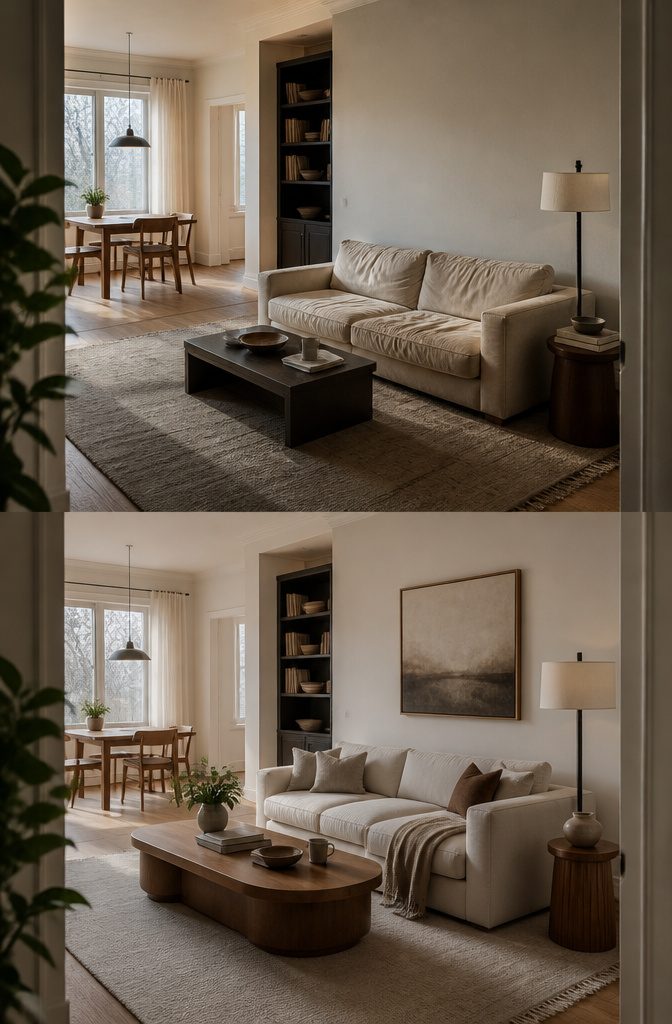
Decorilla charges for its design service, and the gallery of pretty rooms is just one part of what it offers. It offers custom design for homes and commercial spaces, done online or on-site, and matches you with a vetted designer.
Start with the before-and-after project pages: they show real projects, not mockups, so you can judge a designer’s style against your own room.
Clients also get discounts on furniture and décor plus a complimentary white-glove shopping concierge. The first consultation is complimentary, so you can talk through your project before committing to anything.
Decorilla claims clients can finish an entire project "within a couple of weeks or less," a timeline worth confirming before you plan a move-in date around it.
Interior Design Magazine Trends
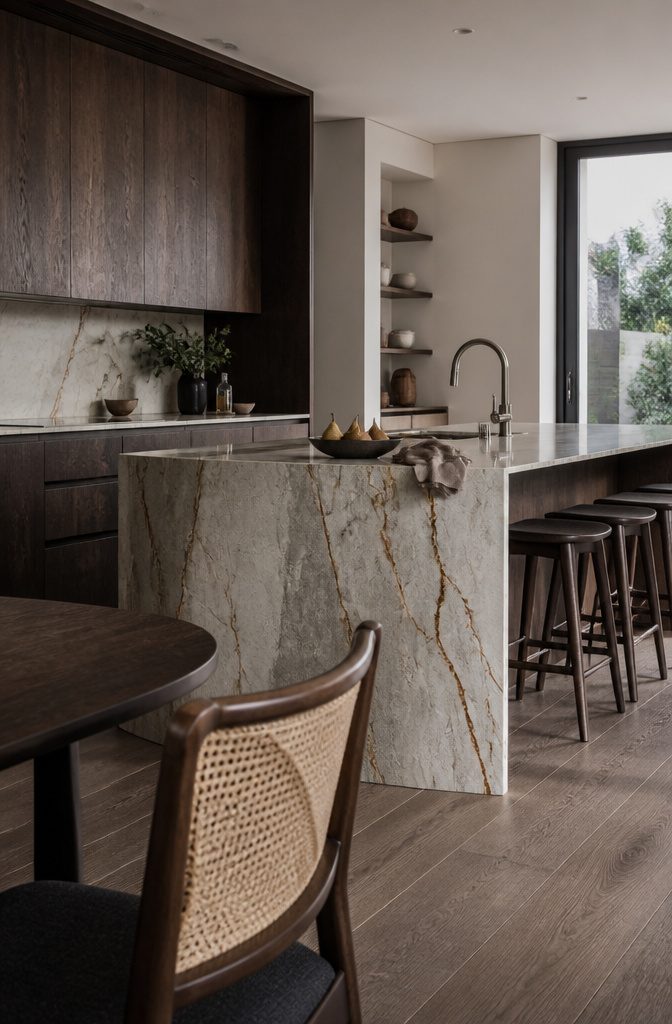
Interior Design reads like a trade publication, not a room gallery. It covers design news, industry trends and material innovation, so you come away knowing where finishes and looks are heading instead of holding up one room to copy.
Bookmark the "Research" section if you want more depth than a photo caption gives.
The annual Interior Design HOMES Best Kitchens & Homes feature is the closest it gets to a classic idea roundup, and it’s worth a look before a kitchen project.
Skip the free sample offer unless you work in the field.
It’s open to design professionals, who can order from hundreds of brands. For everyone else, the value is learning what’s coming, then recognizing it when it reaches the stores you shop.
Home Designing Wall Colors and Furniture
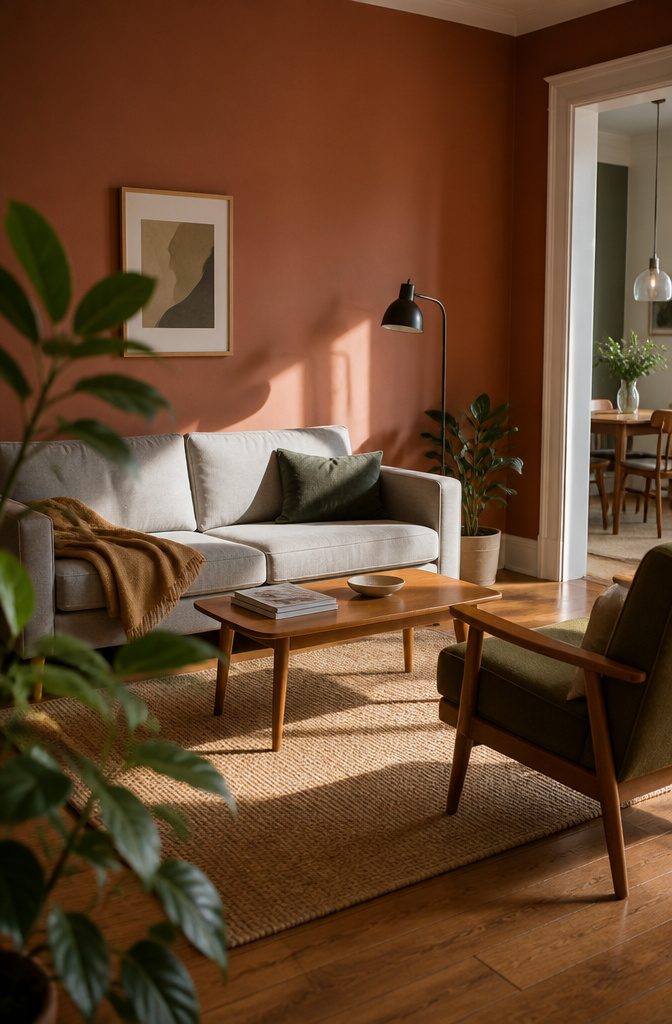
Home Designing covers homes, product and furniture design, wall colors, technology, house plans, and where design is heading.
Much of that is aimed at people building or gutting a house. If you rent or just bought your first place, the wall color and furniture sections are the ones to use.
Both turn into a weekend project. A wall color photo shows you the finished room before you buy a can of paint.
Furniture pages show pieces that move with you when the lease ends. Skip house plans and technology unless you’re building.
Start with the living room images. They’re chosen to make you want to change your own room right away, so save the ones that match your layout.
Elle Decor House Tours
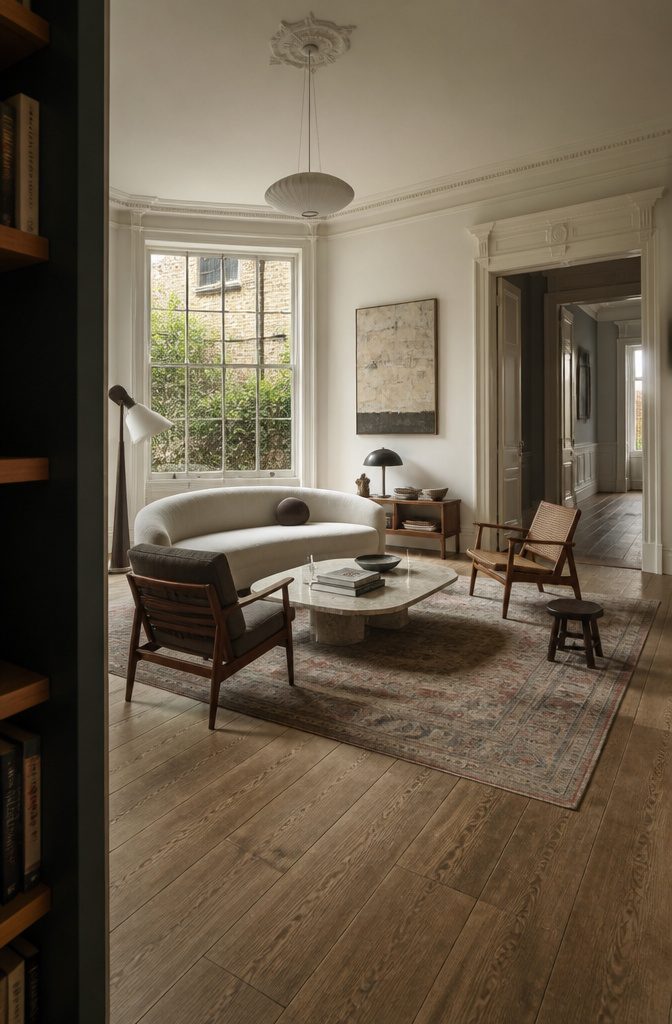
Elle Decor covers house tours, renovations, product reviews and celebrity styles. It started in print, where it reaches over two million readers, and the online edition reaches more.
Celebrity homes are a look to borrow from, not a budget to match. Take the palette, the furniture grouping or the lighting layout, then rebuild it with secondhand pieces and hardware-store finishes.
The product reviews are the most practical part of the site.
They help you decide what is worth buying before you spend. House tours and renovations show what top designers are doing right now, so use them to settle on a direction rather than a shopping list.
Jessica Helgerson Interior Design
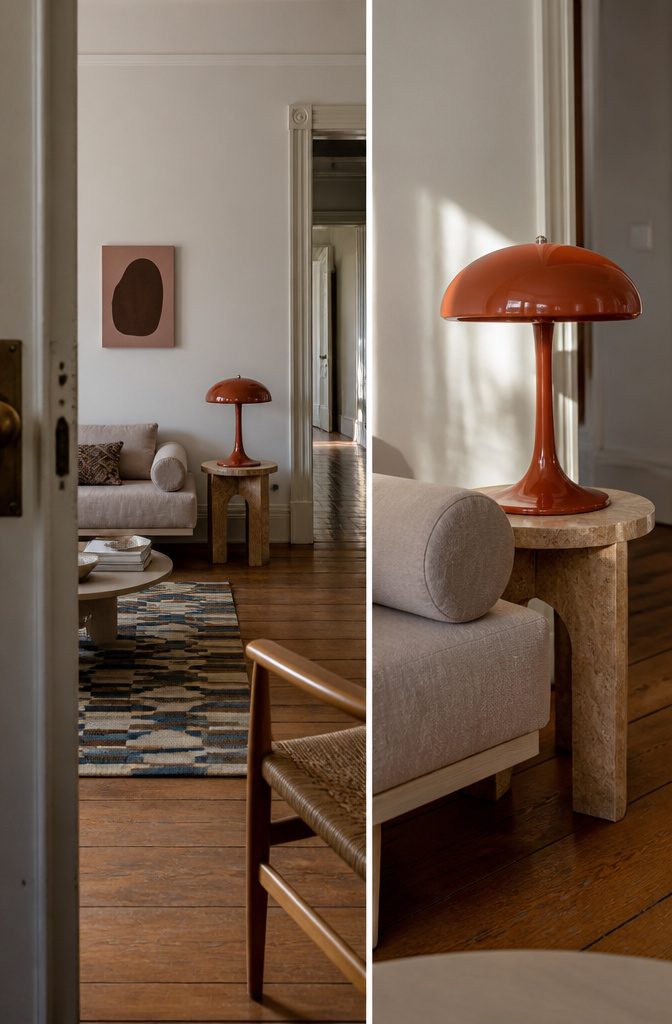
JHID designs homes, offices, and coffee shops, and it gives the client’s needs and the building’s architecture equal weight. That rule works well in an older house or rental.
Original trim, wood floors, and old door hardware are the parts of a room you can’t buy new, so keep them. Update what sits around them: paint, lighting, rugs, and furniture with a clean modern shape.
In a rental, leave the trim and floors alone and put the playful, modern touches in things you can take with you, like a bold lamp, a graphic rug, or art.
Old wood beside a simple sofa reads as a deliberate choice rather than a dated room.
Houzz Ideas and Local Pros
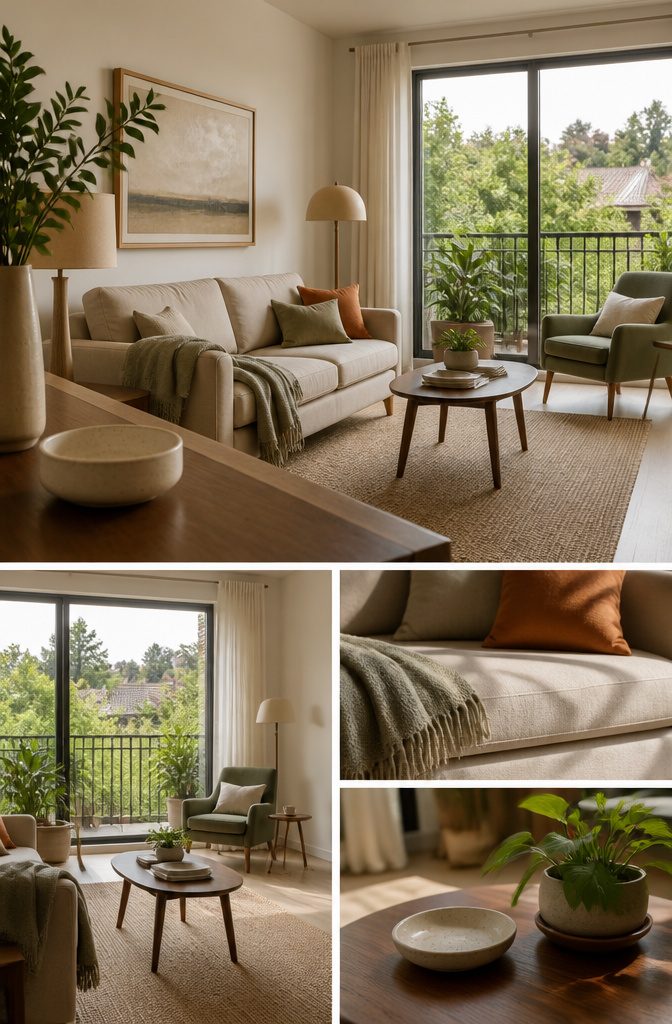
Houzz works as four things at once: a library of home idea photos, a way to connect with professionals, an online store, and a section of tools for the trade.
As you scroll the photos on a computer, hover your cursor over an image and every shoppable item carries a tag you can click to buy it.
A room you like becomes a shopping list without any hunting for where the lamp came from.
For most renters and first-home owners, the photo library is the main draw.
The professional connections are a backup for jobs you won’t do yourself. The smart tools for professionals are built for designers running client projects, so you can skip that part of the site.
The Spruce DIY Advice
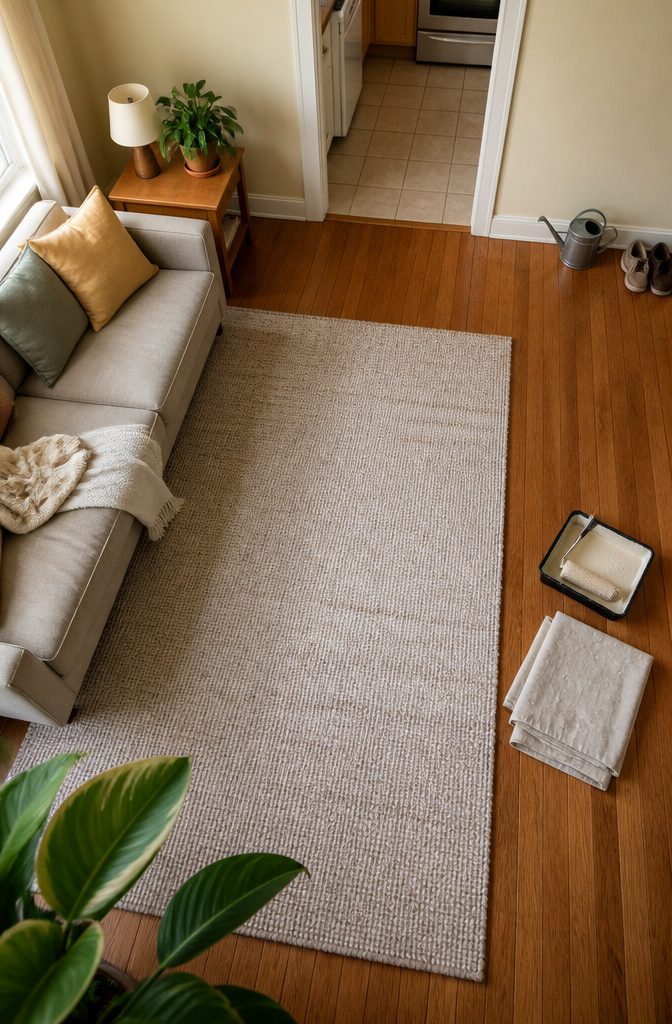
The Spruce is written for people with no design training.
Its content covers home repair, entertaining, gardening and decorating, so one site can answer both the "how do I fix it" and the "how do I style it" questions for the same room.
The online library is more than 20 years old, so most basic questions already have an article waiting in the archive.
For a hands-on budget, The Spruce is the best match for a weekend project.
It treats freshening up a home or a rental as something you can fit around errands, and the light-hearted layout keeps a big job from feeling intimidating.
Skip it if you want polished homes to admire; the site’s strength is practical advice you can actually carry out.
Design Milk Emerging Designers
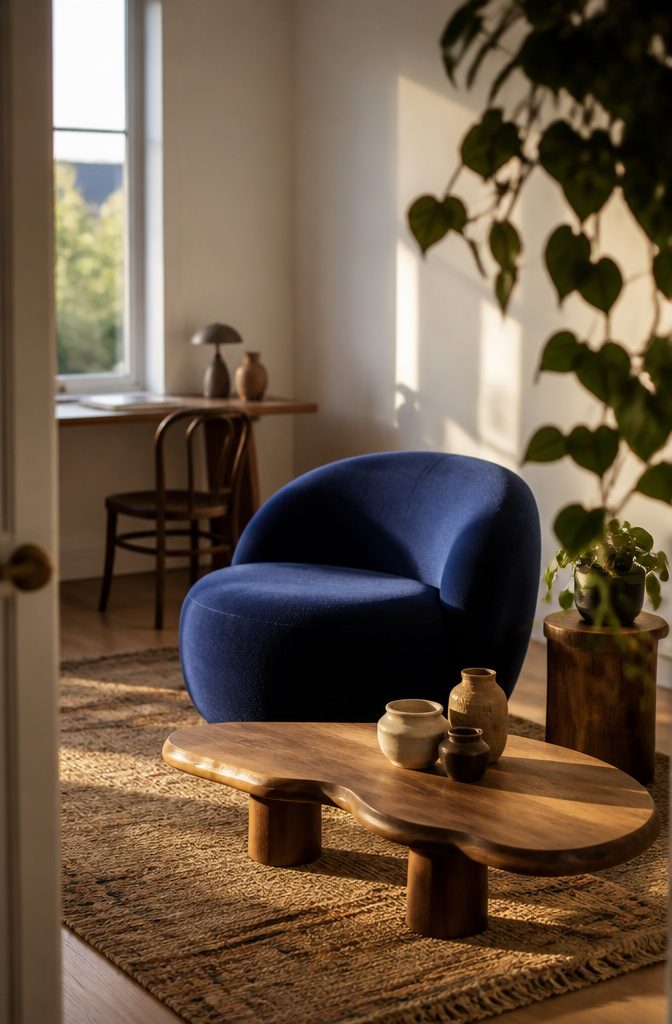
Design Milk suits you if catalog looks feel too familiar. Its motto is "always fresh + never sour," and the site follows through by focusing on design that pushes boundaries.
It features emerging talent alongside established experts, so you see new ideas from up-and-coming creatives next to work from people who already have a name.
Treat it as a place to collect ideas you can borrow, not a shopping list.
Many of the pieces shown will cost more than a weekend budget allows, and a renter spending a few hundred dollars won’t buy most of them.
What you can take away is a color pairing, a shape, or a way of grouping objects, then recreate that with thrifted or budget finds.
Design Hunter Minimal and Luxe
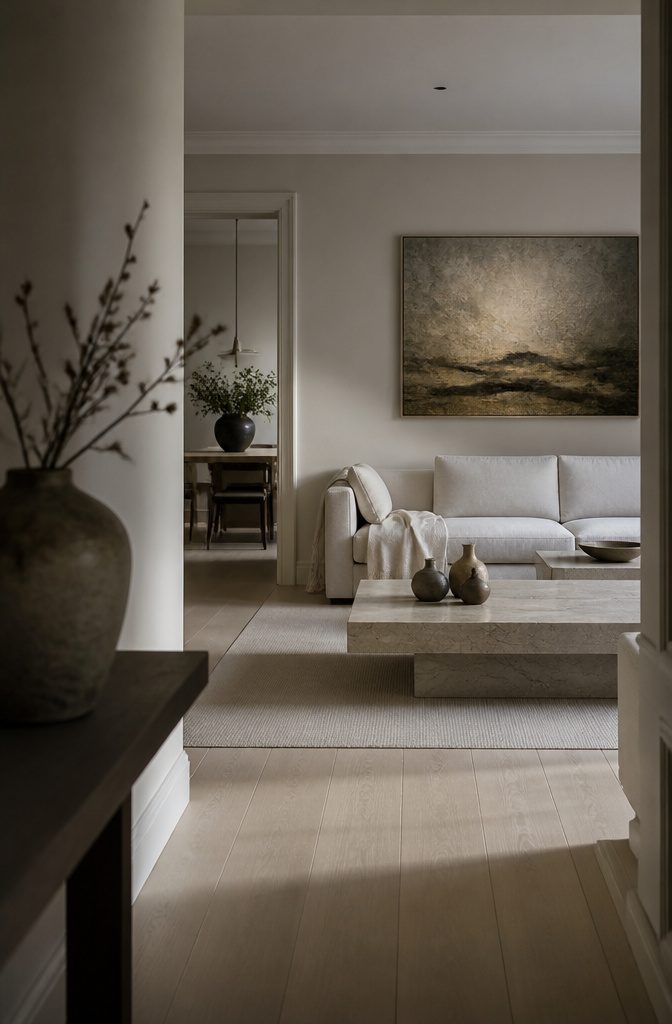
Design Hunter, run by Helen Powell, covers minimal, luxe and contemporary interiors.
It pairs large photography with detailed write-ups of the architecture and decor behind each space. Read the write-ups as closely as the photos, because they explain why a room works, and that is the part you can copy.
The luxury materials are out of reach on a rental budget, but restraint costs nothing. Clear most surfaces and let one or two hold the eye.
Choose furniture with straight, clean lines, and let one large piece do the work of several small ones. Edit before you buy anything: a shelf with three objects on it looks expensive in a way a full shelf rarely does.
Architectural Digest Since 1920
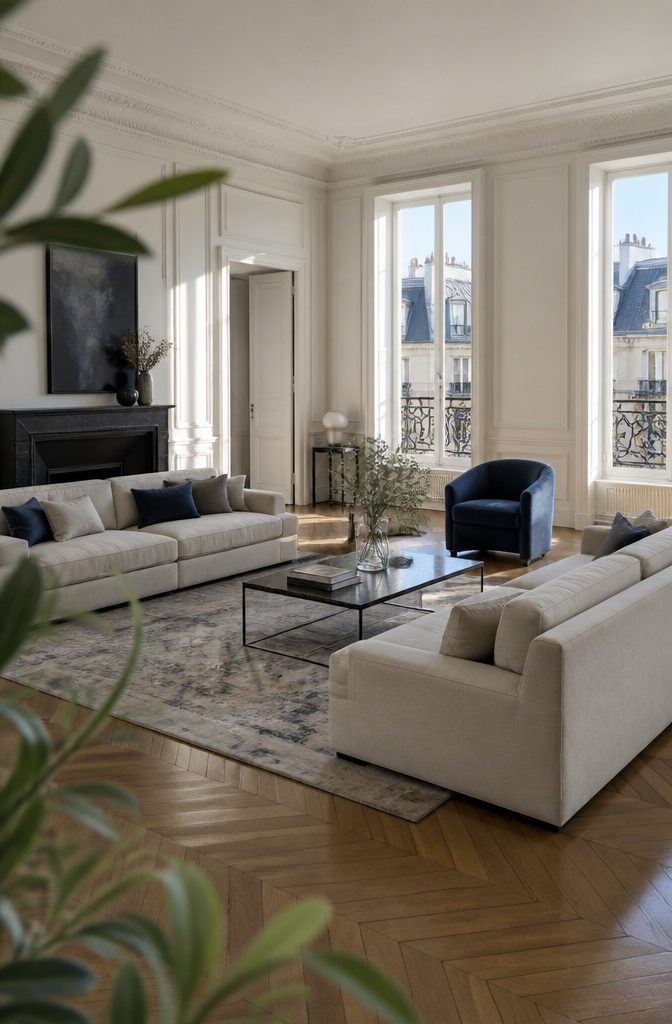
Architectural Digest began as a quarterly magazine in 1920 and now runs a website with global reach.
It covers interior design, architecture, travel destinations and luxury real estate, so a single scroll can take you from a living room to a hotel to a house on the market.
Treat it as a source of high-end inspiration, not a shopping list.
Most of the homes it features sit far above a typical renter’s or first-time buyer’s budget, and copying a room piece for piece will not work on a few hundred dollars.
Borrow the composition instead: how the furniture sits, how the colors repeat, how much empty space the room is allowed. Those choices cost nothing to copy.
Room-by-Room Ideas
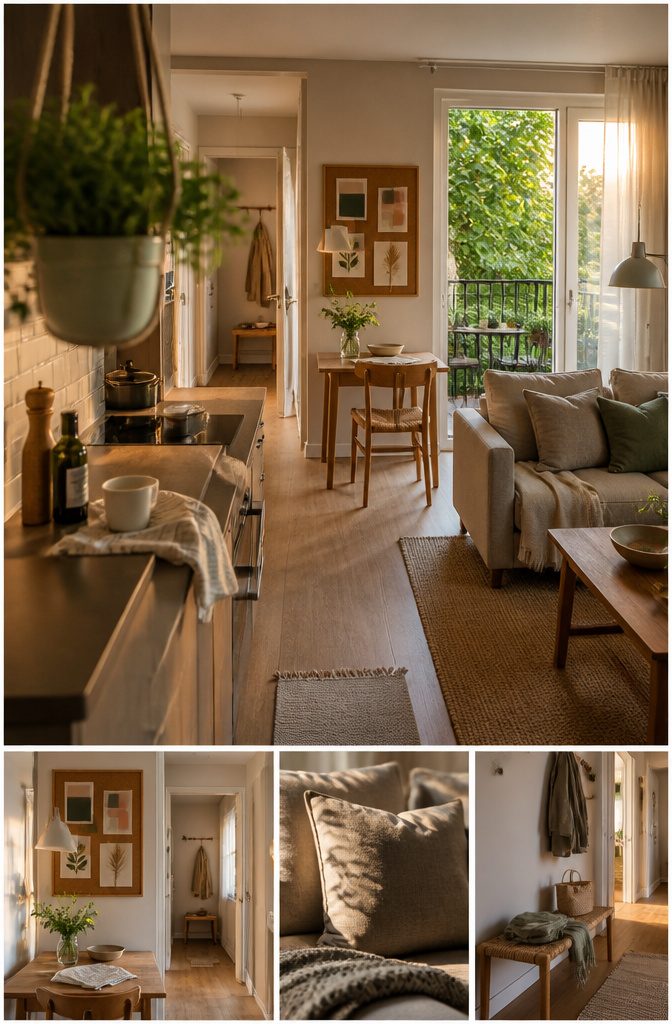
Most idea sites sort their galleries by room, so open the category for the space you plan to change next:
- Kitchens, dining rooms and living rooms: the shared spaces, usually listed first.
- Bedrooms, kids’ bedrooms and wardrobes: sleeping areas and the storage that goes with them.
- Home offices, bathrooms and balconies: smaller rooms where one good idea covers the whole space.
- Space-saving designs: a category of its own, and the most useful one for a small rental.
- Living rooms: magazine sites give these the most coverage, with features like "50 inspiring living room ideas" and "8 living room layout ideas for all shapes & sizes."
- Foyers and living rooms: the two rooms most decor products are aimed at.
Browse one room at a time, and keep a separate Pinterest board for each. A mixed board of 200 pins is hard to shop from.
Style and Function Together
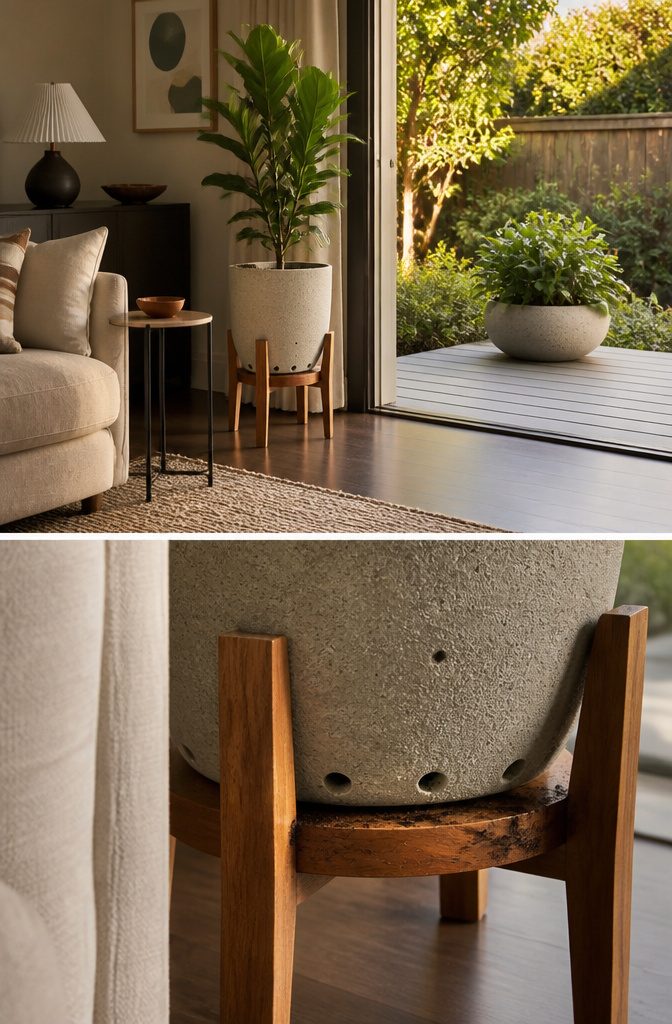
Decorative planters do two jobs at once: they mark off an area and add the finishing touch. A tall one beside the foyer door or at the edge of a patio makes the space read as its own zone.
Prices run from the Kona Planter at $55 to the Veradek Demi Series Round Planter at $90, with the Block Series Span Planter at $190.
The $70 Demi Pot Planter comes with an acacia wood stand, so you get height without buying a separate piece.
The Demi’s plastic-stone composite handles -20 to +120 degrees, so one planter can move between the living room and the porch. Pre-drilled drainage holes also keep overwatering from rotting the roots.