
The largest bed that fits makes a bedroom look luxurious, with one limit: 26 inches of open floor must remain on each side.
Tape the bed’s outline on the floor before you order. If a king crowds the walkway, the room looks cramped, not rich, so step down a size and spend the difference on the wall behind it.
1. Color Scheme
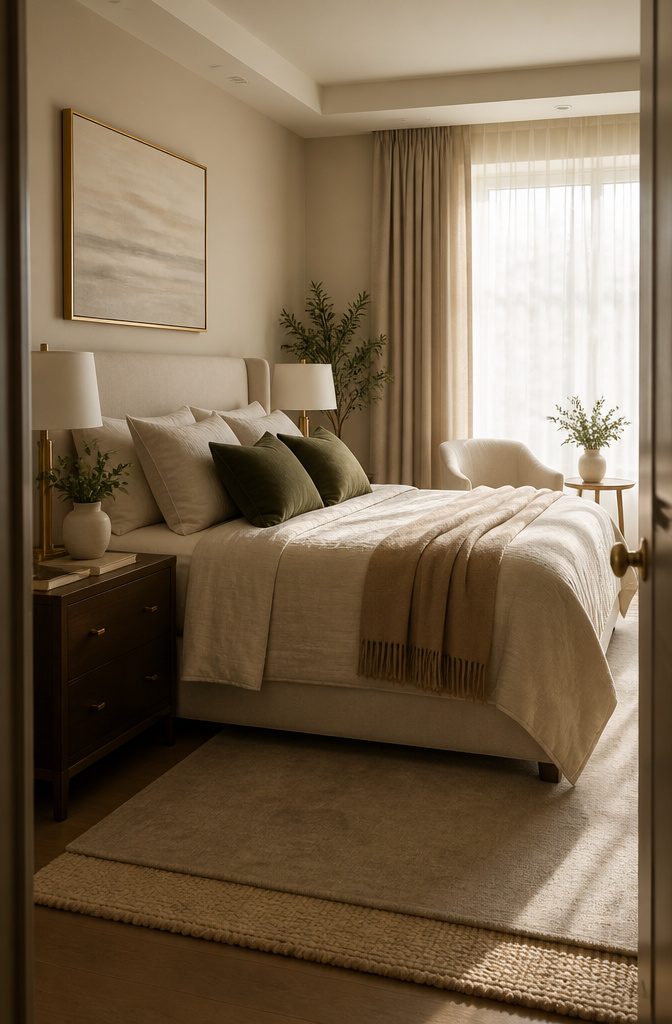
Muted neutrals are the easiest palette to live with.
Beige and cream run warm, grey runs cool, and either one gives you a calm, sophisticated room. Pick one side and stay there, since warm and cool neutrals side by side can look like a mismatch.
Restrained greens, blues and soft pinks add mood without breaking the quiet. Use them on bedding or a single wall.
Jewel tones give a room a bolder, livelier feel and look best with sleek furniture. They also dominate, so every later purchase has to work with them.
Gold, copper or silver accents add the luxe touch to either palette. A few pieces, such as lamp bases or frames, are enough.
Recommended Products

【Luxury Enjoyment】Super soft feeling similar to real fur, like cats sleep around you. The micro-mink side embraces a cloud-like experience while the other side with flannel like touching the fuzzy animal. In addition, the high-weight flannel fabric not only makes the pattern generous and unique, but also provide the super warmth. The filling is down-alternative which provides a warm and comfortable sleep experience

Product Dimensions: 14-in x 14-in x 23-in
2. Cohesive Style
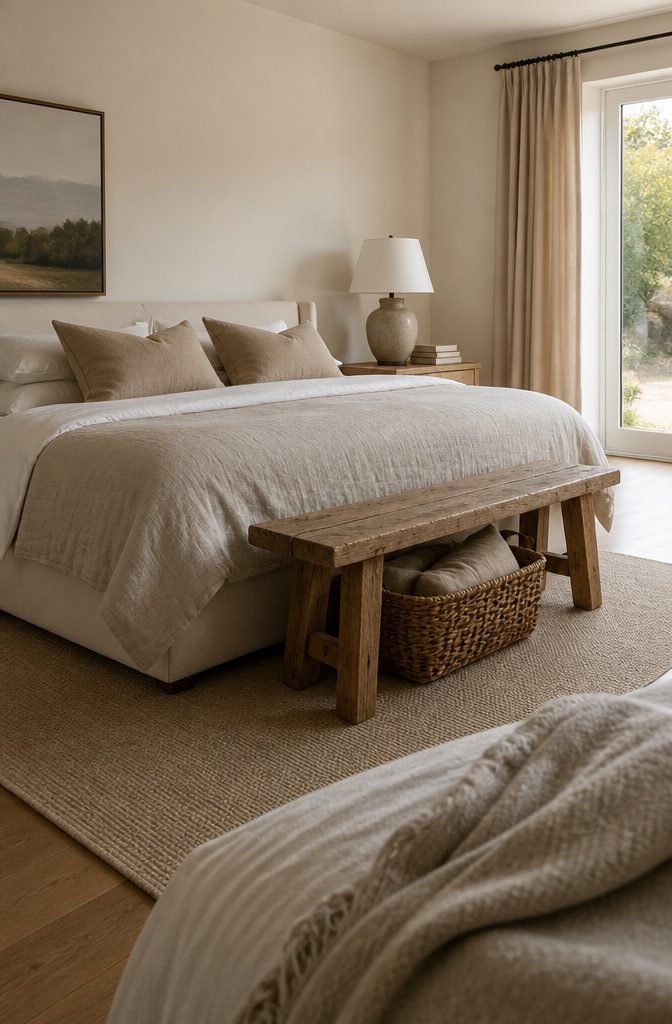
Pick one direction before you buy anything, and the room reads as planned instead of collected.
Classic and traditional rooms ask for symmetry: matching nightstands, paired lamps, furniture with some weight. Matched pairs add up fast, so this is the costliest route.
Contemporary wants clean lines and a restrained palette. Minimalist asks you to own less, so money goes into a few good pieces.
Eclectic and bohemian forgive mismatched secondhand finds if one color or material repeats. Rustic works best with one reclaimed wood piece, like a headboard or bench, not wood everywhere.
For a weekend and a small budget, minimalist or bohemian is easiest, because both start with what you already own.
Recommended Products

✨Brushed Gold& White Color- Designed with simple brass gold pole and complemented with drum fabric lampshades, these gold lamps set of 2 will match styles widely such as: modern, contemporary, luxury, Mid-century, classic, etc. Momyofdy’s expensive-look plating gold color as well as high-level crafts make this gold table lamp show your great taste for life, fit for any space like bedroom, living room, end table, office, hotel, nursery room and guestroom,coffee shop, hotel...

【 Elegant Gold Accent Design】The gold finish adds a refined, eye-catching glow that enhances glam, vintage, or modern accent décor. A standout piece that instantly elevates side tables, nightstands, and decorative corners.

Modern Floor Lamp with 0-100% Fully Dimmable Brightness:Compared to traditional non-dimmable living room floor lamps, our unique floor lamp offers a full stepless dimming function(0 - 100%), making it adaptable to various room styles and lighting requirements you need. This gold floor lamp has a convenient knob switch – simply twist it to customize your favorable lights of floor lamps for living room and bedrooms
3. Room Layout and 26-Inch Clearance
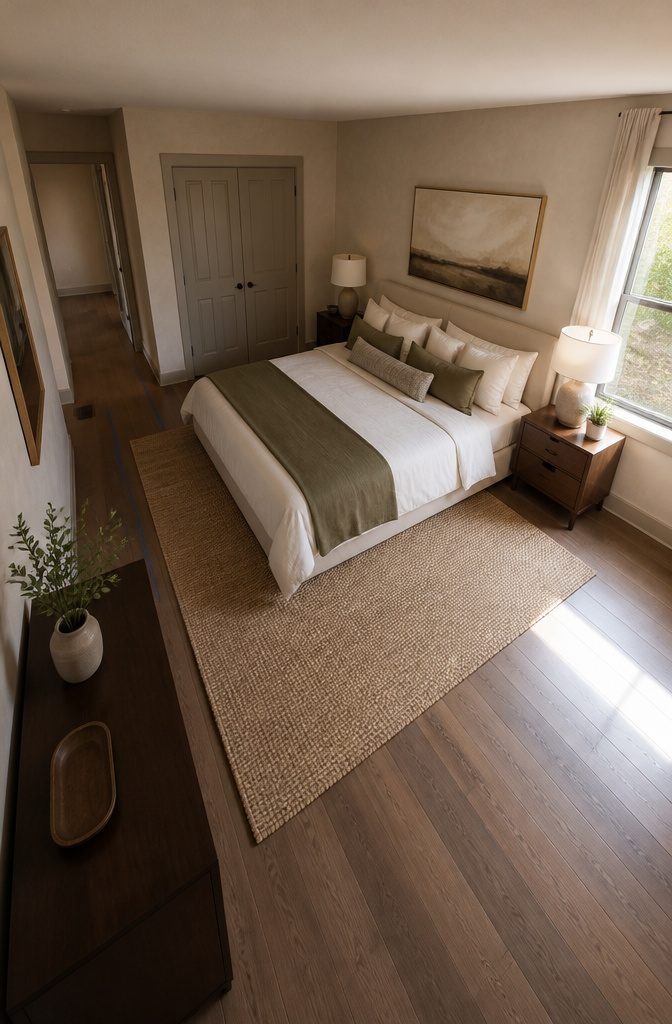
Leave about 26 inches (65 cm) of clear floor on each side of the bed.
That is enough to walk, make the bed, and open a nightstand drawer without turning sideways. Mark it with painter’s tape before you move heavy pieces.
Room shape decides where the bed goes. In a long, narrow room, put the headboard on the short wall so both sides stay open.
In a square room, center it on the longest wall that has no door. If you can’t spare 26 inches on both sides, downsize the bed before you downsize the walkway.
Keep the path from door to bed to closet straight, and make sure dresser drawers and closet doors open fully.
Recommended Products

Quality Advantage: Queen bed frame made of high-quality metal and wood; heavy-duty support feet with plastic plugs to care for your floor; super sturdy and durable, supports up to 800 pounds

Quality Advantage: Queen bed frame made of high-quality metal and wood; heavy-duty support feet with plastic plugs to care for your floor; super sturdy and durable, supports up to 800 pounds

【Luxurious Velvet Upholstery & Wingback Comfort】 This velvet queen bed frame wraps a tufted headboard and wingback silhouette in plush velvet, creating a supportive backrest for reading or relaxing. The upholstered bed frame pairs soft texture with a sturdy build — a cozy, practical foundation that holds its shape night after night.
4. Statement Bed and Headboard
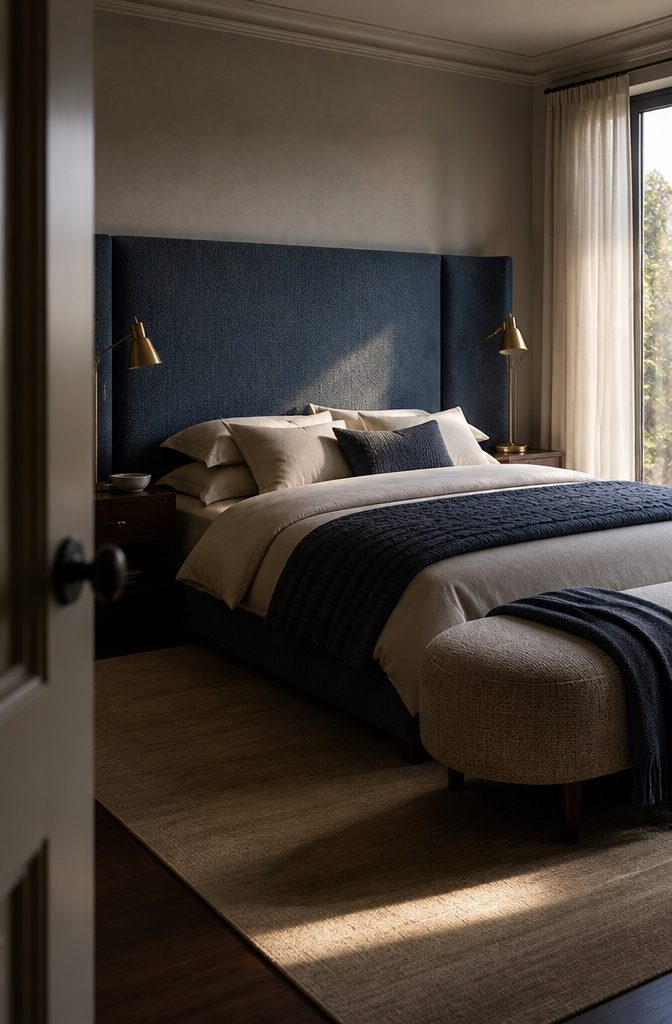
Buy the largest bed that fits the room, since the bed is the focal point.
For a primary bedroom, the UK super king or emperor lands roughly on a king or California king in the US. A secondary room can take a king, which is closest to a queen here.
Skip the double, meaning a full. These size matches are approximate, so compare actual mattress dimensions before you order.
Upholstered is the easiest style to live with.
A four-poster feels sturdy, a canopy feels sheltered, and a sleigh bed makes the most impact. For a designer reference, the Kara Bed is listed at €7,500.
On a smaller budget, spend on the wall behind the bed. An oversized headboard, floor-to-ceiling or low, can carry embroidered wallpaper or a rich finish behind the nightstands.
Recommended Products

Modern & Practical Design: The bedroom lamps features a textured ceramic base that blends modern and farmhouse styles, adding an artistic touch to any room. A perfect gift for family and friends, it works beautifully as a nightstand lamp, bedside lamps, or living room accent
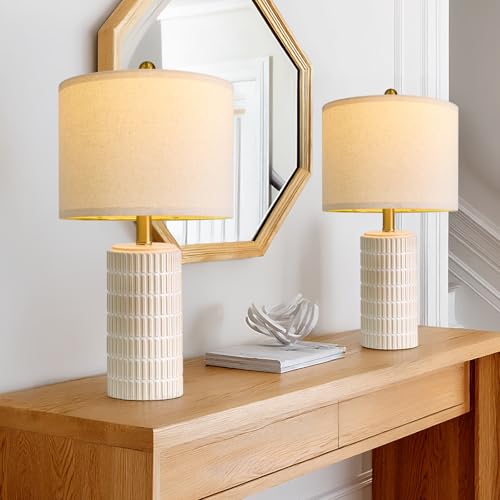
This Small Ceramic Lamps is 20.75'' from Bottom to Top for Small Place.

1. 3-Color Temperature Bedside Lamps: The small bed side lamp for night stands features with chic pull-chain to make quick changes to 3 different level brightness (Warm White-3000K, Nature White-4000K, Daylight White-5000K ). You can switch the light tailored to your needs. Warm white for cozy atmosphere, daylight white for work/study. Simply give the string a little tug when you want the nightstand lamp On/Off, brighter/dimmer
5. Useful, Stylish Furniture
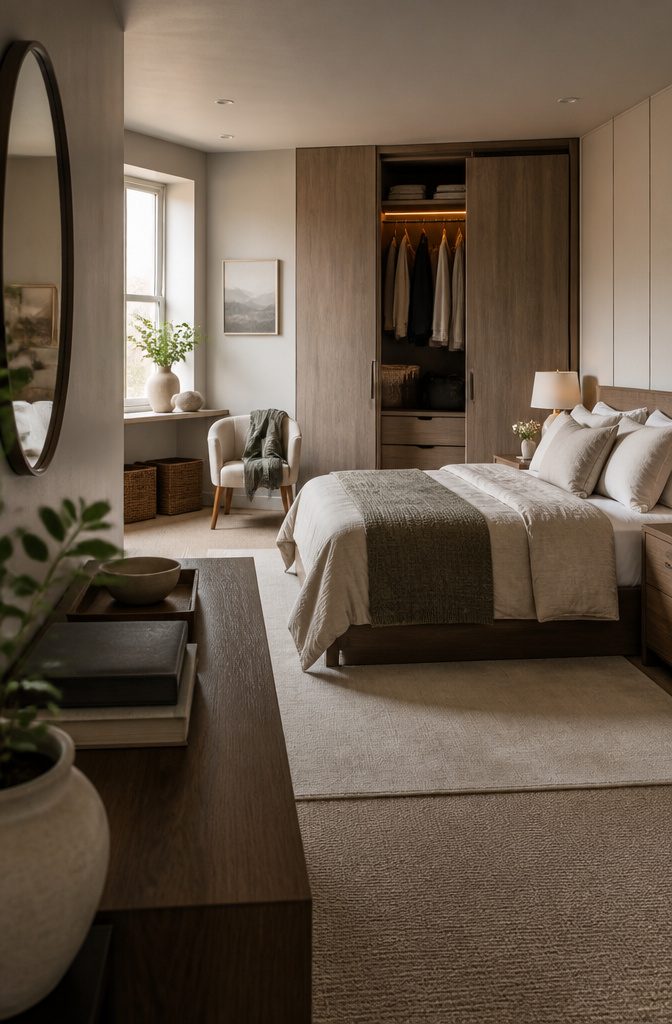
Choose furniture that holds more than it shows, so every piece earns its floor space.
- Bedside tables: pick ones with at least 2 drawers so chargers, lotion and books stay out of sight and the top is free for a lamp. The Austria Bedside Table, listed at €4,100, is a top-end reference for the look.
- Dresser: a wide chest of drawers stores folded clothes and gives you a surface for a tray or mirror. The Matrioska Chest of Drawers 2, listed at €10,080, shows the high end.
- Wardrobe: built-in storage with integrated lighting makes clothes easy to find and gives the wall a tailored finish.
- Armoire: a freestanding one adds closed storage without construction, which suits renters.
- Shelves: keep them for a few books and one lamp or plant, with baskets below to hide clutter.
- Seating: a bench at the foot of the bed or a small chair by the window gives you somewhere to sit and put on shoes.
6. Mattress and Quality Bedding
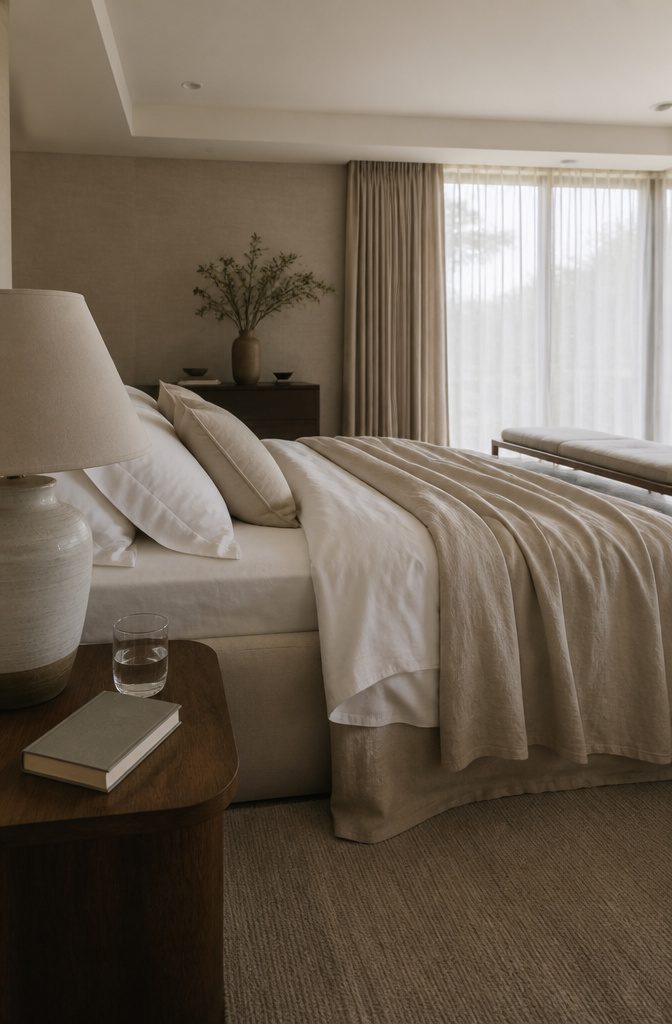
Start with a supportive mattress, because no sheet set makes up for a bed that doesn’t hold you well. A plush topper then adds softness without replacing the mattress.
For bedding, stick to natural, breathable fabrics. Natural cotton is the safest pick for most people, and a high thread count adds softness and durability.
Linen breathes well, so it suits warm sleepers and anyone who likes a relaxed, slightly rumpled look. Egyptian cotton and silk feel the most luxurious, but both cost more.
If your budget is tight, buy high-thread-count cotton for the whole bed. Then upgrade to Egyptian cotton or silk later, if you want it.
Recommended Products

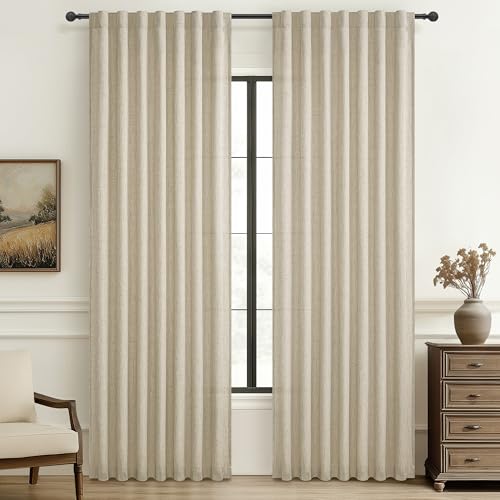
2 PANELS HEAVYWEIGHT FABRIC - Sheer curtains are made from 300gsm heavyweight fabric(30% Linen & 70% polyester), offering more drape and more privacy protection performance compared to standard curtains. The 300gsm thick fabric requires only minimal care to completely eliminate wrinkles, leaving no traces behind
7. Layer Pillows and Throws
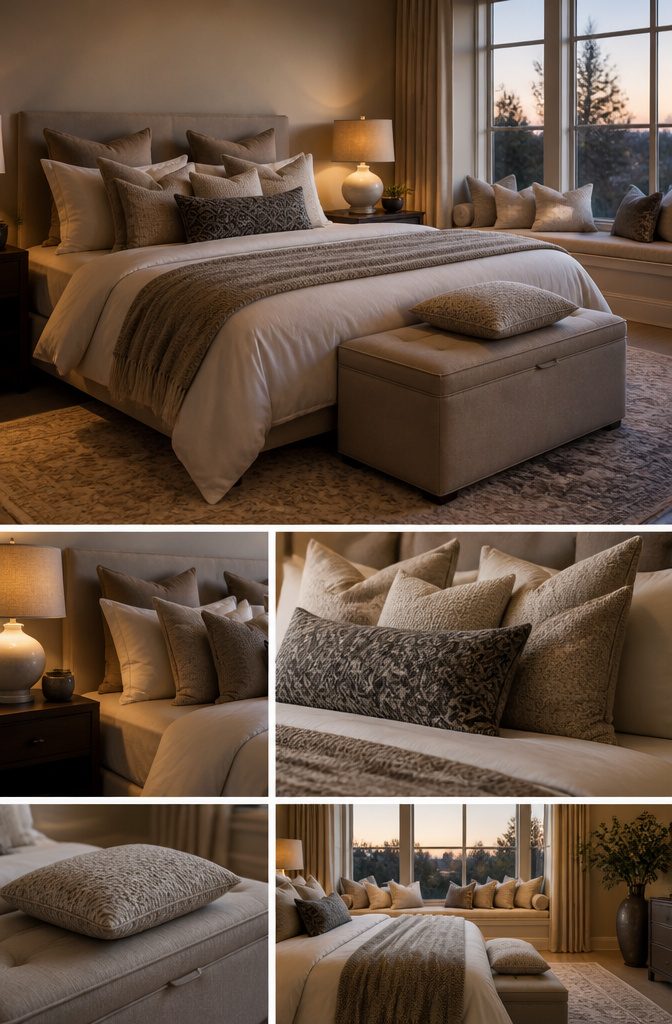
Start with 2 European-sized pillows against the headboard, then put at least 2 soft, fluffy pillows on each side of the bed in front of them. That front-to-back stacking gives the bed the depth you see in luxury hotels.
Finish with a few smaller decorative or lumbar cushions at the front as the focal point.
Vary the sizes and shapes, and pair a smooth fabric with a nubby one so the layer has texture instead of a matching-set look. Fold a blanket across the foot of the bed for warmth.
Extra pillows pile up fast. An ottoman or storage box at the end of the bed gives them a place to go at night.
Recommended Products

ELEGANT SPARKLING CRYSTAL DECORATION: Bedroom Touch Control Table Lamps Set of 2 - Made of sparkling crystal and designed with gold base, perfect for teenage girls, these girls lamps for bedroom are perfect for lighting or elegant home decoration, perfect for bedroom, living room, dining room, office, and any corners of your home and business environments.

1. 3-Color Temperature with Easy Pull-Chain Control: Choose from 3000K warm light, 5000K daylight, and 4000K natural light with the easy-to-use pull chain. The light follows a simple sequence: pull once for 3000K, pull again to turn off; pull again for 5000K, pull again to turn off; pull again for 4000K, then repeat. No buttons or remote needed—just a simple pull to select your preferred light.

HANDMADE VERTICAL RIBBED WHITE GLASS SHADE, SOFT GLARE-FREE LIGHT: 7.9 inch cylindrical white ribbed glass diffuses warm gentle light, eliminates harsh glare; retro vibrant tone fits boho, cottage, vintage, mid-century modern interior styles
8. Rugs for Warmth
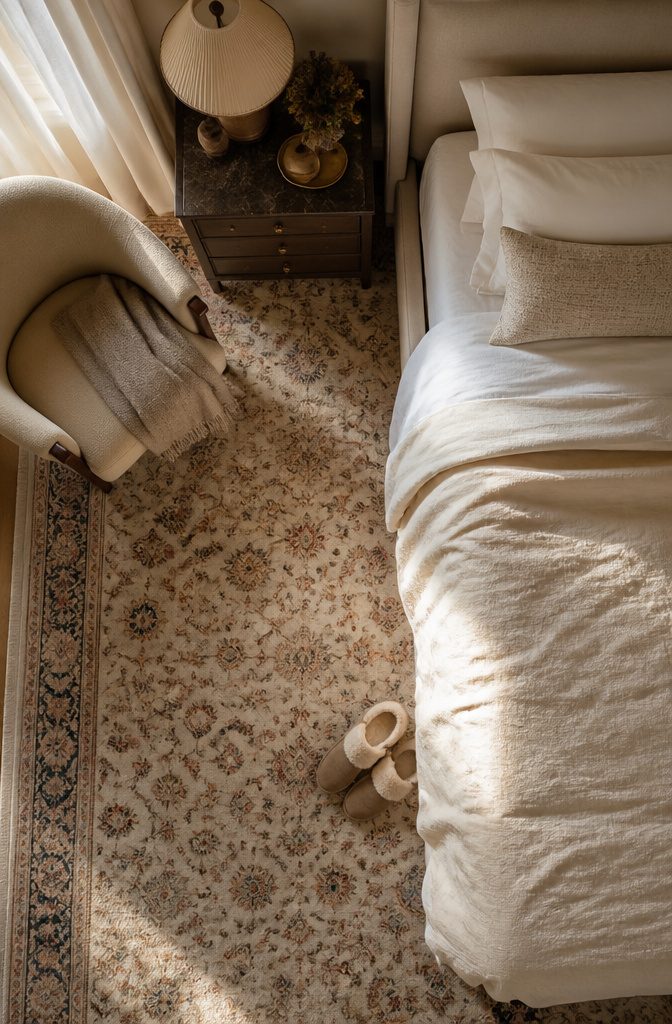
A rug sets the warmth, color and pattern of a bedroom before any other piece does.
A classic Persian or Moroccan design suits a traditional room. A modern rug with bold color, texture or pattern gives a plainer scheme some personality.
For a luxury look, choose wool or silk. Wool is dense and springy underfoot, and silk adds a soft sheen.
A cheap synthetic rug usually looks flat and thin, and it lacks the depth that makes bare feet linger on it in the morning. If the budget is limited, buy a smaller wool rug instead of a larger synthetic one.
Recommended Products

All-Match Style & Comfort: The bed frame is made from high-quality linen fabric, giving it a sleek appearance. With a straightforward yet sophisticated design that complements various bedroom styles.

【Comfort Boucle Fabric Queen Bed】Experience unparalleled comfort with our queen bed upholstered platform, crafted from sumptuously soft boucle fabric that adds elegance and a sophisticated touch to your bedroom, creating a warm and inviting atmosphere

TIMELESS & TRUSTED STATEMENT - Elevate your mattress with this 47-inch tall, navy, button-tufted headboard and enjoy dependable support without a box spring
9. Curtains and Window Coverings
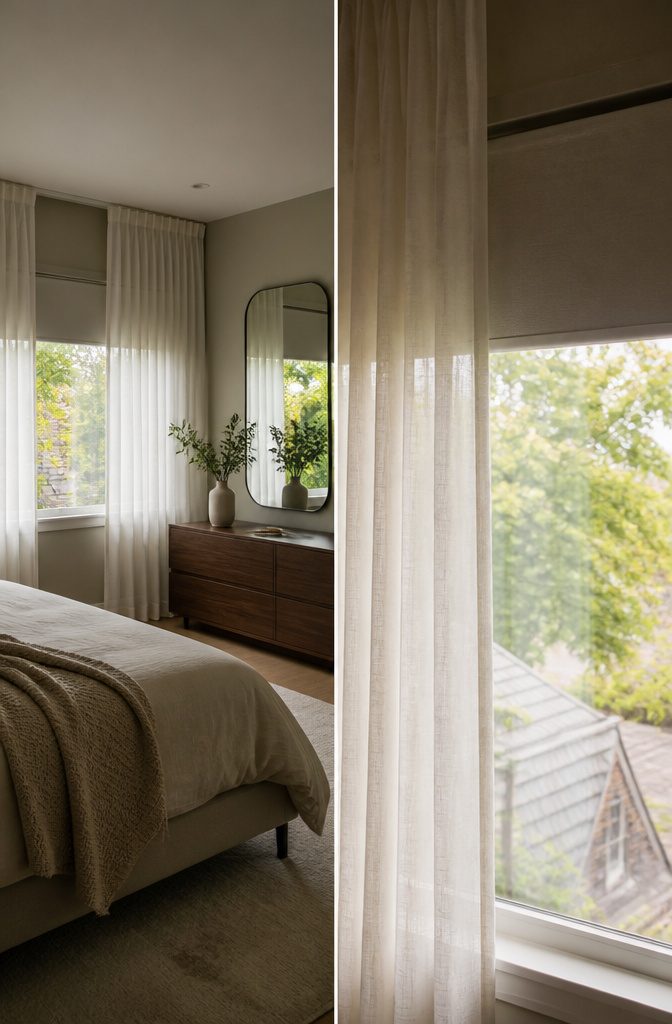
Sheer curtains and blackout blinds do different jobs, so a luxurious bedroom uses both. Sheers soften daylight into a diffuse glow and add texture to the window without closing the room in.
Blackout blinds are for sleep: lowered at night, they make the room dark, and raised in the morning, they leave the sheers to carry the light.
Mount the blinds closest to the glass and hang the sheers in front. That way you control the light in layers.
Open both for full daylight, close only the sheers for a bright but private afternoon, and drop the blinds when it’s time to sleep. A mirror on the wall facing the window bounces that softened light deeper into the room.
Recommended Products
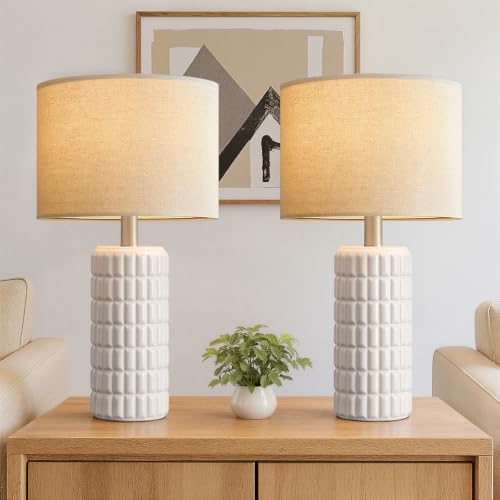
Sleek Design: Elevate your home decor with our exquisite ceramic lamps set of 2, featuring a chic beige-white finish that complements any style, from modern to rustic. The minimalist design, paired with a sophisticated linen lampshade, adds elegance to your nightstand or living room, creating a serene atmosphere that enhances your space and reflects your taste.

Retro-Style Design: Antique white resin base and body,with retro-style stripes,make this table lamp present an elegant style. It can be used as a decoration and perfectly matches your furniture. (Note: The lampshade needs to be assembled)

17.6″ Tall Nightstand Lamps Set of 2 for Wider, More Even Lighting — With elevated light sources and an illumination angle of up to 150°, these 17.6-inch touch lamps for bedroom use spread light evenly across your workspace, helping minimize harsh bright spots and shadows. Enjoy gentle, comfortable lighting designed to care for your eyes as you read, write, or work.
10. Layered Lighting
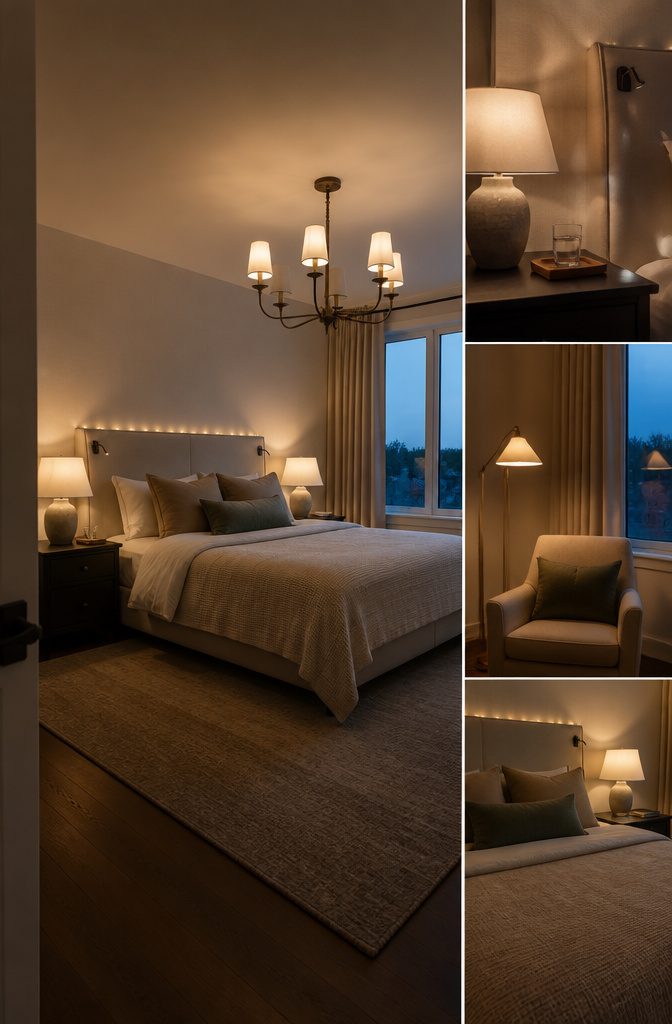
Plan the light in layers, with each one doing a separate job:
- Overhead: a statement chandelier or flush-mount fixture sets the style of the room.
- Bedside and task: a lamp on each nightstand gives reading light, so the overhead can stay off at night.
- Floor: a floor lamp in a corner adds a soft glow at eye level.
- Ambient: string lights give a low, cozy wash along a wall or headboard.
Put dimmers on the overhead fixture and the lamps so one room can shift from bright to calm.
For top-end references, the Leafus Suspension Lamp is €5,990, the Luminous Floor Lamp €5,600 and the Luminous Table Lamp €3,500.
The Cocoon Sconce is another. Treat those as price ceilings; the same layers work with ordinary fixtures.
Recommended Products

Spacious 55-inch Seating: Measuring 55.12" W x 13.78" D, this bench offers ample room for the whole family to sit comfortably; the 1.97" thick solid wood top supports up to 500 lb for stable daily use

MODERN STORAGE BENCH WITH ELEVATED STYLE: HomePop upholstered storage bench combines modern elegance and everyday function in one versatile furniture piece. Upholstered in sand faux leather with graceful curved arms and tapered wood legs in a warm natural finish, this bench brings a clean, airy look to bedrooms, entryways, and living rooms.

Farmhouse Bench: Imbued with the charm and warmth of natural wood grain, this end of bed bench brings a sense of inviting homey comfort to your living area. Its rustic charm makes it a cozy, enticing addition to any residence
11. Art and Personal Touches
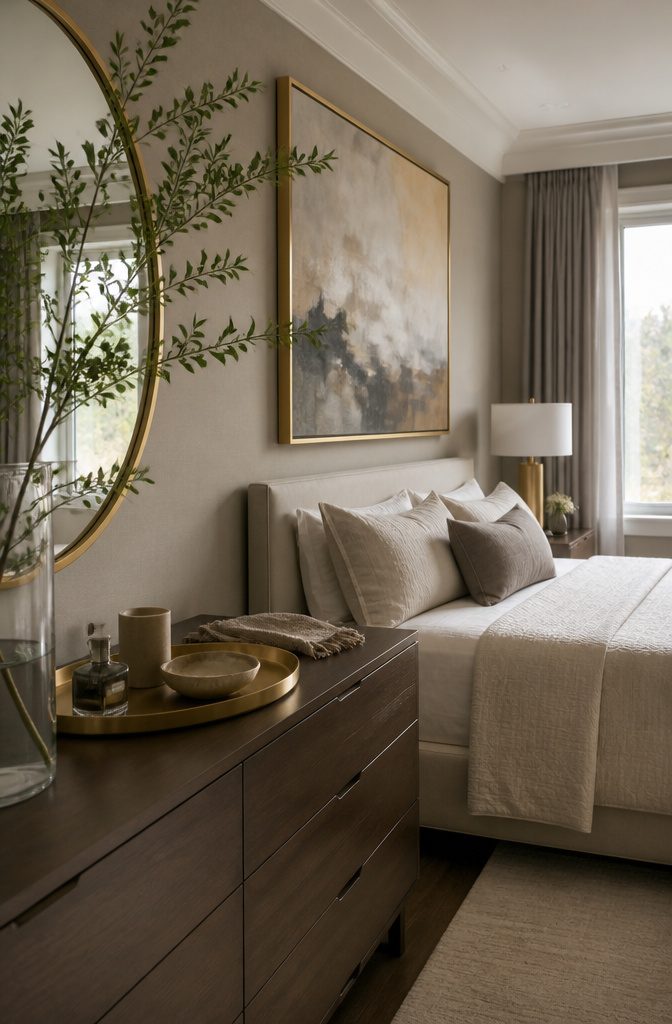
Hang one large piece of art above the bed and let it anchor the room. A single oversized frame looks deliberate, while a scatter of small ones looks like a dorm wall.
Family photos and travel finds belong here too, but frame them alike, in matching black, brass, or wood, so they read as a collection.
Metallics polish a room fast when you hold to one finish. Brushed brass repeated on a lamp base, a mirror frame, and a dresser tray feels opulent; gold, chrome, and copper together feel busy.
For editing, keep each surface to a small group of objects on a tray and leave the rest bare. Rotate keepsakes by season, and store souvenirs that fight your palette in a box.
12. Natural Elements
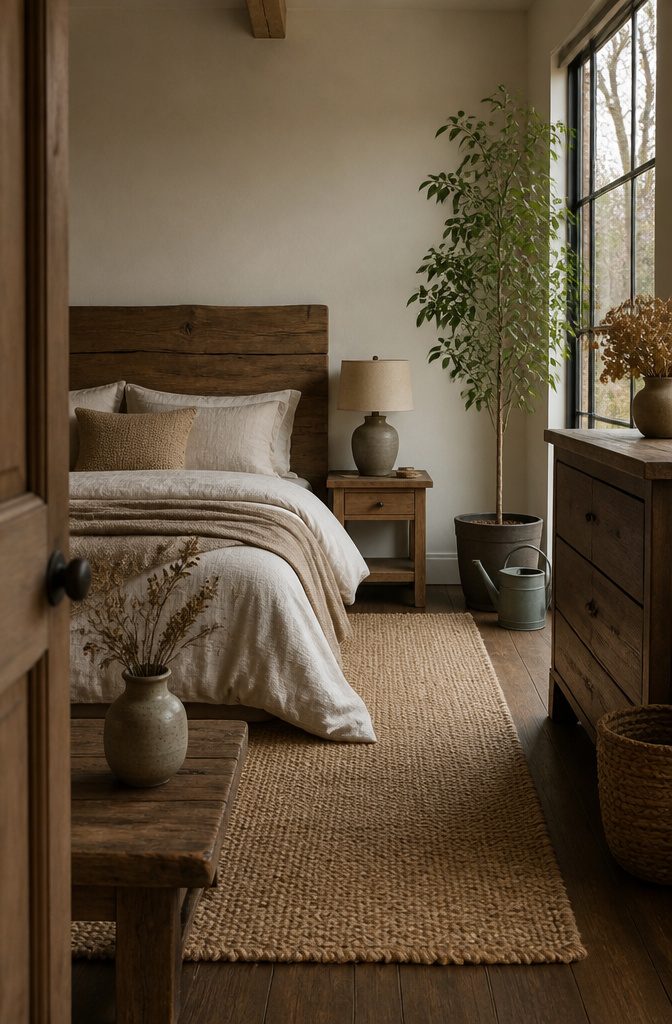
Plants, dried flowers, and wood accents give a bedroom a calm, nature-inspired feel without a full redesign.
Dried flowers are the easiest place to start. They need no water or sunlight, so they work on a dresser or in a dim corner.
Live plants look fresher but need light and regular care, so set them near a window, and skip them if the room stays dark or you are often away.
For a rustic look, wood does the most work.
A reclaimed wood headboard with linen bedding and earthy tones gives the room warmth. If a headboard is out of budget or your lease won’t allow a mounted one, a wood side table gets you part of the same effect.
13. Final Touches and Fragrance
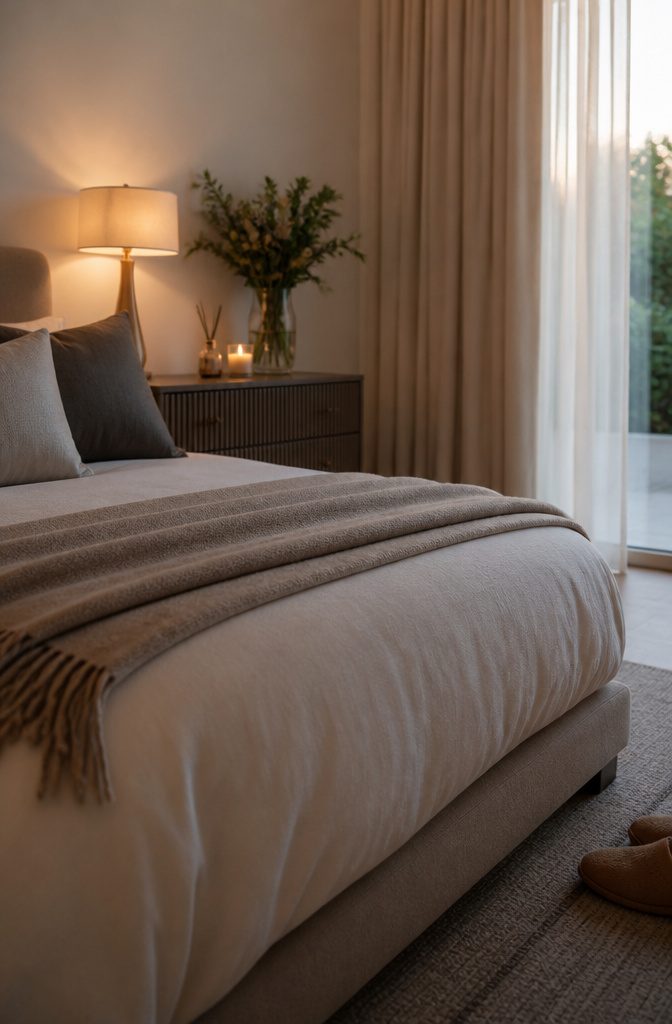
Add these last, once the bed, rug, and lighting are in place, so you buy only what the room still needs.
Fresh flowers and a room fragrance cost the least and change the room the moment you walk in. One bunch in a vase on the dresser is enough, and a candle or diffuser handles the rest.
Velvet or silk cushions cost more, but a few well-chosen ones look richer than a pile of many. Cashmere is the splurge.
Buy one cashmere blanket and fold it at the foot of the bed rather than spreading the money across several cheaper throws. Flowers fade and scent wears off, while cushions and cashmere last.
14. Hiring an Interior Designer
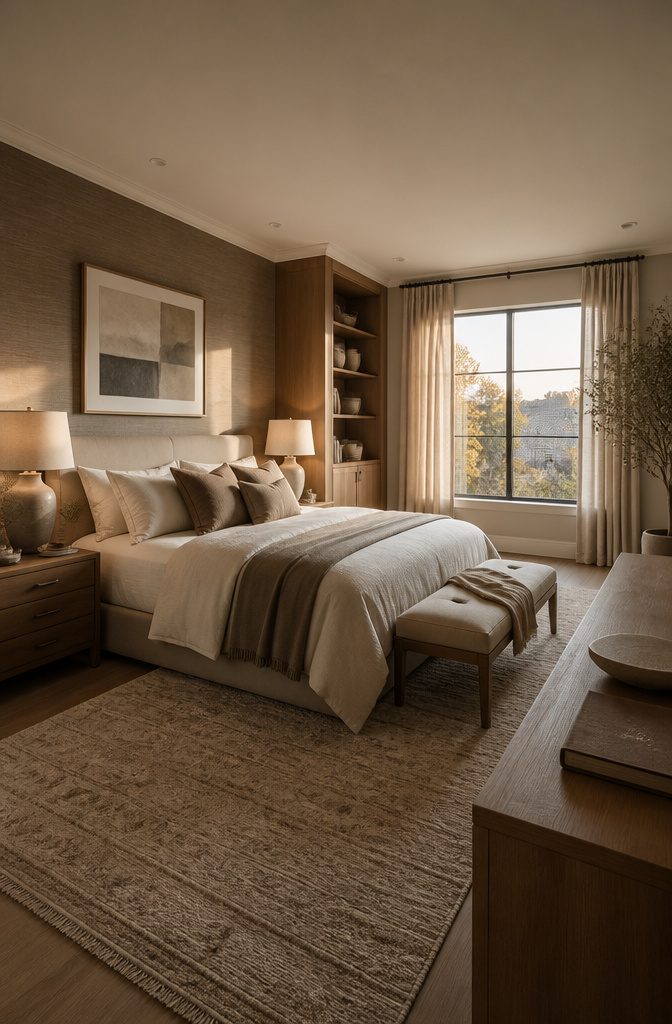
A designer takes on the whole bedroom at once: layout, furniture, lighting and textiles, planned to work together.
Andrea Benedettini, a London-based interior designer who focuses on luxury residential projects, is an example of the kind of professional who works this way.
Hiring one suits a larger budget than most renters and first-time owners have for a single room.
If you’re working with a few hundred dollars, skip this route. Every other idea in this article is built for you to do yourself, one weekend at a time.
Designing for Rest and Mood
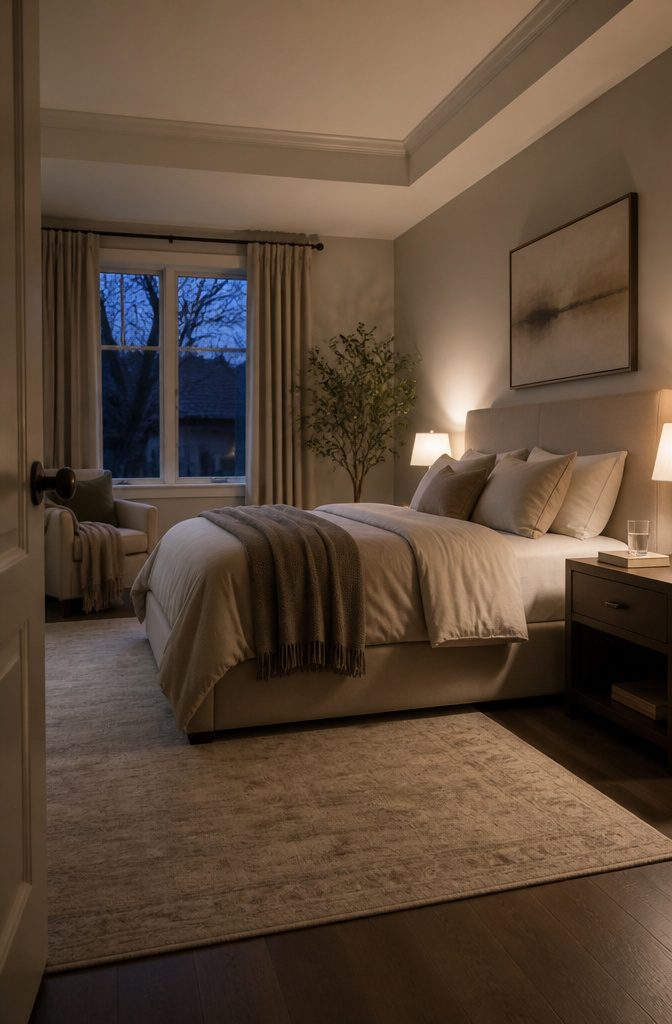
A bedroom has one job before it has a style: helping you rest. The claim is that a well-designed room can affect mood, productivity and sleep quality.
Even if you treat that as a loose promise, it gives you a useful test for every decision: does this make the room easier to wind down in?
The soft palette, the bedding you want to sink into and the lamps that dim in the evening all pass, because you feel them at bedtime, long after the photos are taken.
A statement piece that adds glare, clutter or visual noise fails, however good it looks. Settle what calms the room first, then add what impresses.
Frequently Asked Questions
What colors work best in a luxury bedroom?
Muted neutrals such as beige, cream and grey are the safest base. Stay on one side, warm or cool, because mixing the two can look mismatched.
Add gold, copper or silver on a few pieces like lamp bases or frames for the luxe touch. Jewel tones give a bolder room, but they dominate every later purchase.
How much clear space should I leave around the bed?
Leave about 26 inches (65 cm) of open floor on each side. That is enough to walk, make the bed and open a nightstand drawer without turning sideways.
Mark it with painter’s tape before moving heavy furniture. If both sides won’t fit, choose a smaller bed rather than a narrower walkway.
What size bed should I buy for a luxury bedroom?
Buy the largest bed the room allows, since it is the focal point.
In a primary bedroom that usually means a king or California king, and a secondary room can take a queen. Skip the full.
What bedding fabrics look and feel the most luxurious?
Egyptian cotton and silk feel the most luxurious, though both cost more. Natural cotton with a high thread count is the safest choice for most people, and linen suits warm sleepers who like a relaxed look.
On a tight budget, buy high-thread-count cotton for the whole bed and upgrade later. A supportive mattress matters first, because no sheet set makes up for a poor one.
How do I layer pillows on a luxury bed?
Put 2 European-sized pillows against the headboard, then at least 2 soft, fluffy pillows on each side in front of them.
Add a few smaller decorative or lumbar cushions at the front, mixing sizes and textures. This front-to-back stacking gives the bed the depth of a hotel bed.
What kind of lighting makes a bedroom feel luxurious?
Use 4 layers of light: an overhead fixture such as a chandelier, a lamp on each nightstand, a corner floor lamp, and string lights for a low ambient glow.
Put dimmers on the overhead fixture and the lamps so the room can move from bright to calm. Ordinary fixtures work with the same layers.
What type of rug suits a luxury bedroom?
Choose wool or silk. Wool is dense and springy underfoot, and silk adds a soft sheen.
Cheap synthetic rugs tend to look flat and thin. If money is limited, a smaller wool rug beats a larger synthetic one.
Do I need an interior designer for a luxury bedroom?
No. A designer plans layout, furniture, lighting and textiles together, but that suits a larger budget than most renters and first-time owners have for one room.
If you have a few hundred dollars to work with, skip it and do the other steps yourself, one weekend at a time.