
Keep the traditional sofa and swap the coffee table for a glass top on black metal legs.
One heavier classic piece paired with one lighter modern piece, against neutral walls, gives the room its balance. That balance breaks when you add many small decor items, which push the room back toward traditional.
1. Start With a Neutral Base
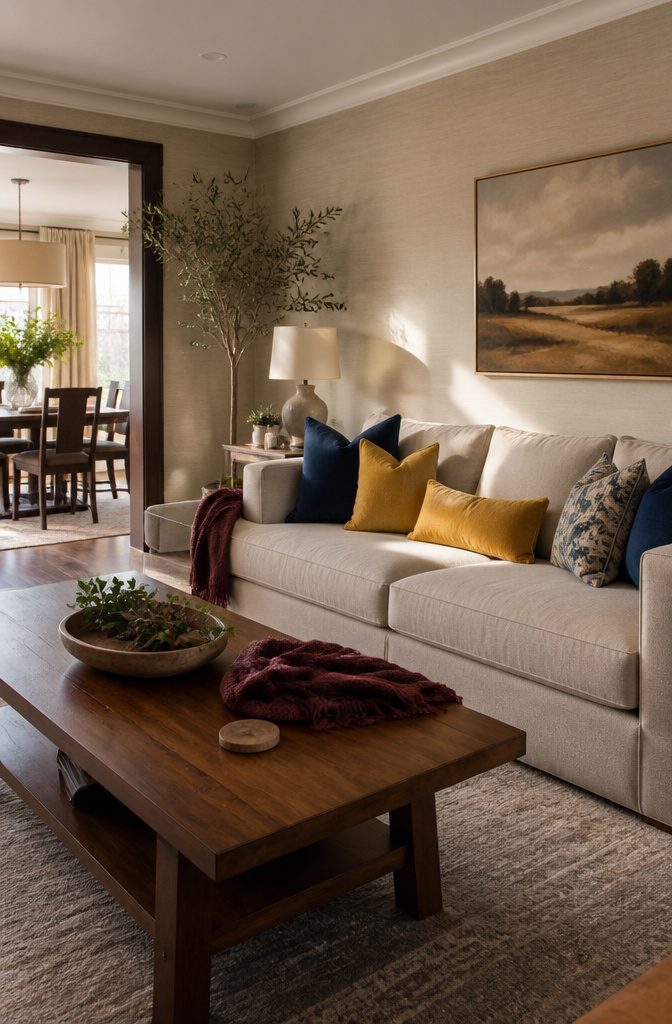
Paint the walls and buy the sofa in beige, gray, taupe, or ivory.
Whites, creams, and tans work too, and warm greige is the softer pick if straight gray feels cold. These shades keep the room calm and give mixed styles a backdrop that doesn’t look busy.
Color comes in through pillows, throw blankets, rugs, and artwork.
Sapphire blue, mustard yellow, and burgundy are easy starting points. Muted browns, greens, and golds sit quietly beside neutrals, and a deep brown or caramel coffee table adds contrast against a cream sofa.
Bold color belongs in accents only, while neutrals or muted pastels hold the walls and the big furniture.
Recommended Products

〈Dimensions Guide & 3-Piece Seat Style〉:Each seat cushion cover measures: 21-24 inch width, 22-28 inch depth, 2-10 inch thickness. Suitable for armchair,sofa backrest, love seat sofa, regular square cushions, T-cushions and also L-cushions.More details please refer to the measurement guide in photo, please measure before purchasing.
〈Dimensions Guide & Chaise Style〉:Our sofa cushion cover fit for both left/right sectional couch chaise or 3 seat sofa, it can offer the best comfort. The size of this sofa covers washable is 36-39 inch width, 54-68 inch depth, 2-10 inch thickness. More details please refer to the measurement guide in photo, please measure before purchasing.
2. Mix Classic and Modern Pieces
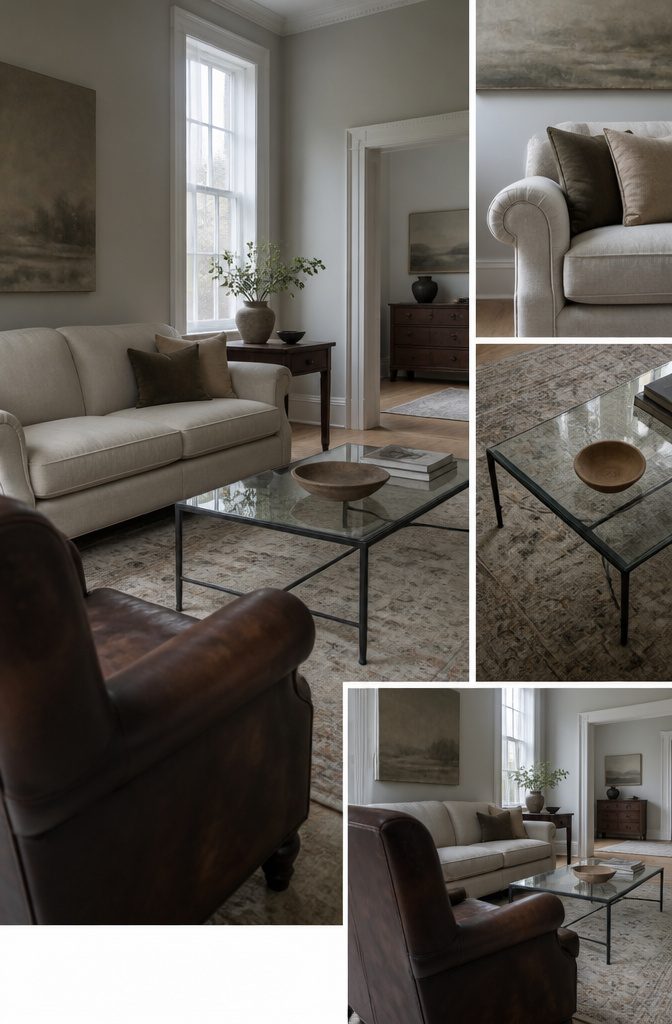
Keep the traditional sofa and replace the coffee table.
A classic sofa with clean lines, even one inherited from a grandparent, looks current next to a new glass table on black metal legs, and the table costs far less than a new couch.
That is the best return on a small budget.
For the other pairings, match one heavier traditional piece with one lighter modern piece.
Put a wingback beside a glass coffee table, or an upholstered chaise lounge beside a wood one. A leather armchair adds a darker tone to a light sofa.
The ratio doesn’t have to be 50/50. A mostly vintage room with a couple of new pieces works, and a worn side table sits fine beside them.
Recommended Products

【FASHION & ELEGANCE 】This rectangular coffee table is made up of tempered glass tabletop with Blck metal legs, showing the natural beauty of the coffee table with a modern design and simple structure. Classic glass tables and metal frame can be paired with any style of room, simple and stylish.


GEOMETRIC ART TABLE LEGS: Matte dark black silky finish creates an industrial, modern and stylish look. The perfect and sturdy structure combines beauty and practicality. The geometric base design is stronger and more durable than standard 2-leg table leg
3. Layer Textures and Materials
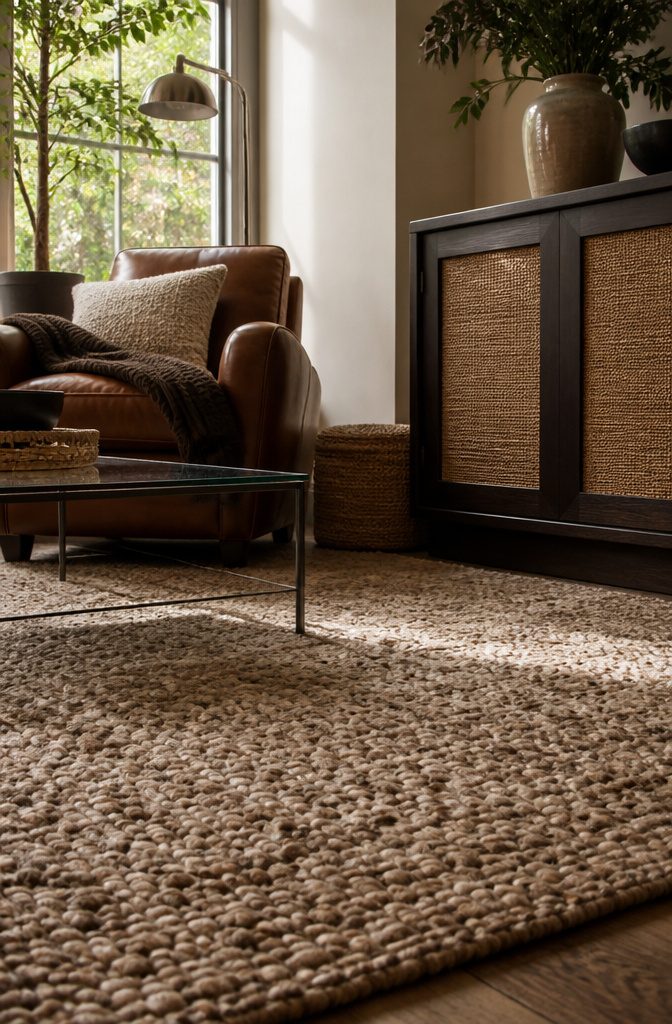
A neutral palette gives the eye nothing to rest on until the surfaces change, and texture supplies that depth.
Set soft against hard: a plush rug under a leather armchair beside a glass coffee table, or a soft rug under metal lighting.
Wood, steel, metal, and glass cover the hard side. Nubby chenille, corduroy, and suede pillows and throws cover the soft side, and they’re easy to swap each season.
For a bolder pairing, put cane next to dark wood. If your palette runs warm, go coarse and organic, with rattan and a textured rug instead of anything slick.
Recommended Products

Kova natural cabinet is a beautiful modern boho-chic piece with a natural color palette made of light oak wood finish and 2 swinging cane door fronts to keep your house clutter-free.

【Natural Rattan Texture for a Light】: Bring warmth and organic charm to your home with this hand-woven natural cane door cabinet. The breezy boho style blends effortlessly with coastal, farmhouse, or modern décor—ideal for use as a sideboard, entryway cabinet, or TV console.

Kova cabinet is a beautiful modern boho-chic piece with a natural color palette made of black oak wood finish and 2 swinging cane door fronts to keep your house clutter-free.
4. Choose Clean-Lined Furniture
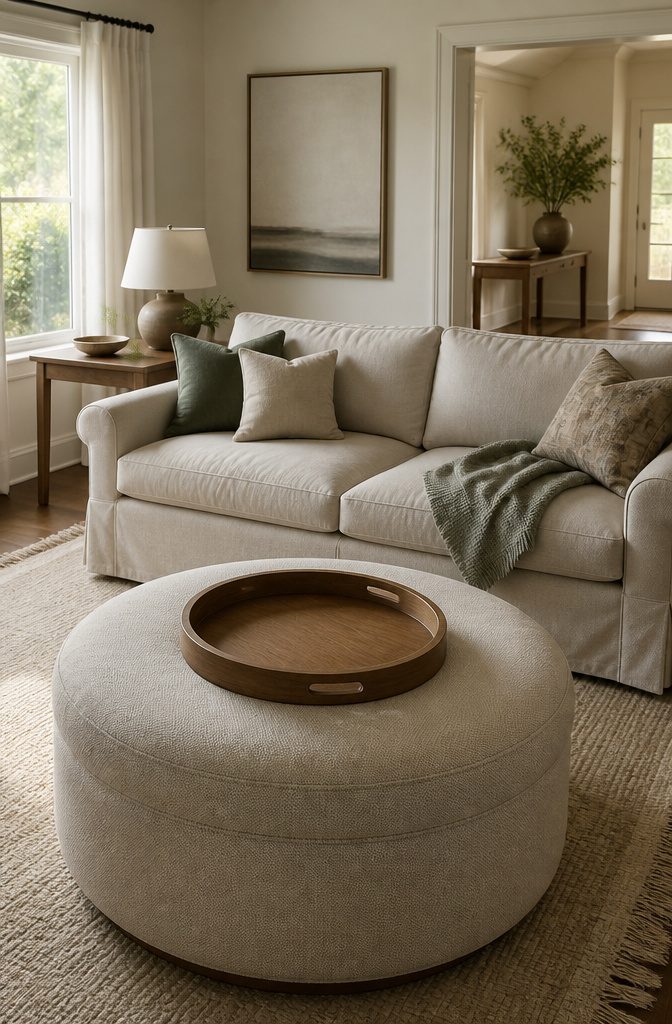
A sofa with a simple outline and a soft edge is the base of this look.
A roll arm or a slipcovered sofa gives you traditional comfort without skirts, heavy tufting, or carved legs. Slipcovers also come off for washing, which helps if you have pets or kids.
Mix curves with straight lines so the room doesn’t feel stiff. Pair a straight-backed sofa with a round ottoman, and the circle softens the boxy shapes around it.
The ottoman also works as a coffee table with no corners to catch your shins. Set a tray on top for drinks.
Comfort sometimes beats sleek. A deep, slightly slouchy cushion you actually sit in is a better buy than a razor-edged sofa everyone avoids.
Recommended Products

Premium PU Leather - Unique Design: Made of high-quality PU leather with ergonomic wingback and armrest design, all of which reflect modern fashion, relieve the pressure exerted on your lumbar spine, and increase your comfort. Featuring a unique pleated stitching pattern on the backrest that adds a touch of modern elegance to any space, the fine craftsmanship and premium texture bring a luxurious retro vibe to your home.

Premium Cowhide Leather Material: Made from genuine cowhide leather, this rug offers a luxurious and durable surface that is both stylish and practical for high-traffic areas.

【Comfortable Seat & Backrest】-The seat and back are filled with high-density sponge, which is very soft to sit. Just imagine, after finishing tired day's work, you sit in a soft chair and hold a pillow in your arms, for napping or reading or playing mobile, what a pleasure it is?
5. Add Metallic Accents and Lighting
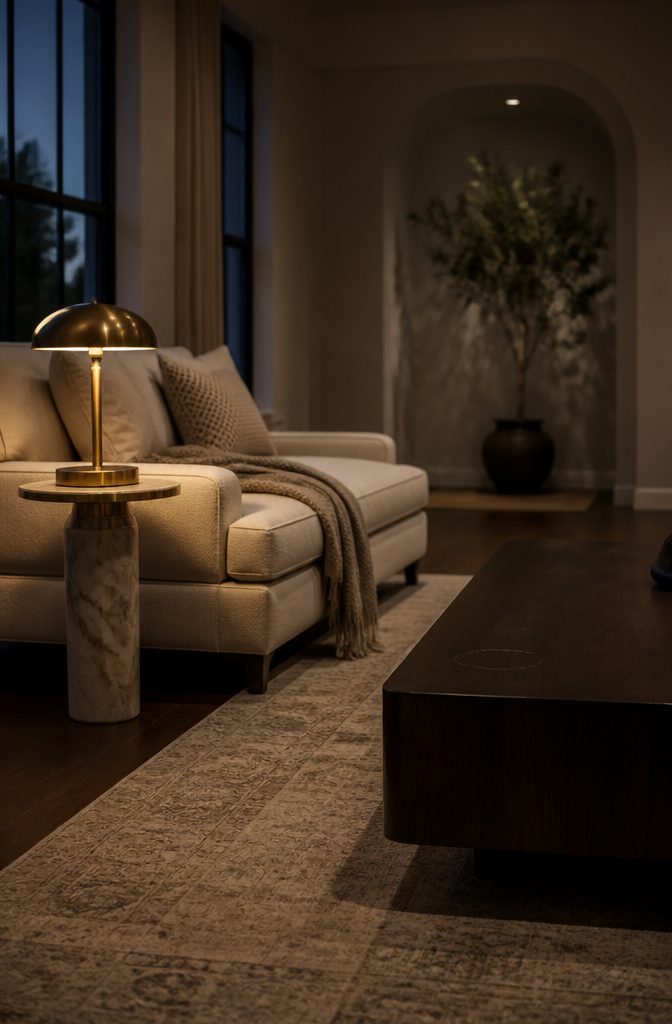
Swapping fixtures is the cheapest way to add a modern edge to a classic room.
Change a dated light or a set of drawer and door knobs to brass, copper, or gold, and mix two metals if you want a richer look. A gold pendant over the coffee table makes a strong focal point.
A metallic table lamp does a similar job with no wiring. Choose lamps that give real light, such as a marble base with quiet tones.
Metal looks best set against soft, classic pieces, like a plush rug under a metal fixture or an upholstered chaise beside a brass lamp.
A geometric pattern on a pillow or shade adds a modern note, but a little goes a long way.
Recommended Products

HIGH-DENSITY SPONGE FILLING:Hansleep pouf ottoman is filled with a solid piece of premium high-density sponge and wrapped in a soft faux fur cover, delivering unparalleled stability and lasting shape retention while effectively relieving leg fatigue. Its sturdy, anti-tip structure makes it not only an excellent foot rest but also a versatile piece that can serve as a coffee table side stool in the living room or a cozy resting spot for your pet. (Note: To maintain its perfect shape and prevent collapse, please avoid prolonged heavy adult sitting, jumping on it, or overloading with multiple users at once.)

Ultra-Plush Pouf Ottoman Stuffed: This luxuriously soft pouf ottoman features a premium plush fiber cover with reinforced thick backing, designed to stay fluffy and durable over time. It maintains its shape while offering an irresistibly cozy feel underfoot with our fluffy ottoman footrest

Ultra-Plush Pouf Ottoman Stuffed: This luxuriously soft pouf ottoman features a premium plush fiber cover with reinforced thick backing, designed to stay fluffy and durable over time. It maintains its shape while offering an irresistibly cozy feel underfoot with our fluffy ottoman footrest
6. Keep Decor Limited
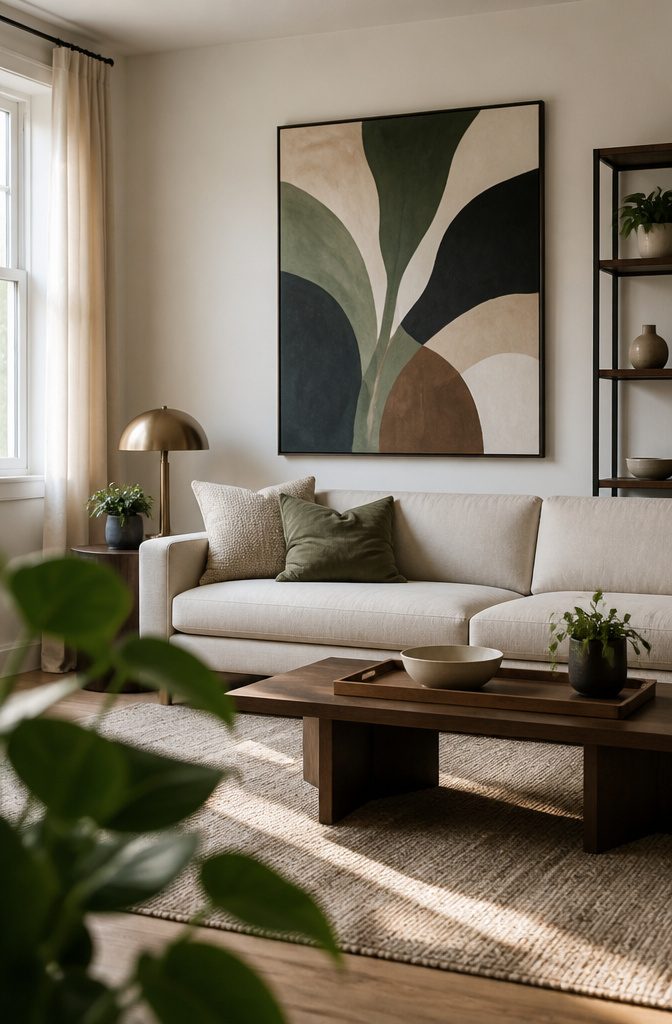
Pick one or two large pieces and let them carry the room.
An oversized mirror or a single piece of abstract art does more than a cluster of small frames. A colorful painting or a metal sculpture also works on a bare wall and gives it a focal point.
Then add only a few small things: a wooden tray, a metallic table lamp, a few plants. Books, vases, bowls and baskets can fill a shelf or coffee table, as long as each one has empty space around it.
Overloading is the main risk. Many small items make the room look busy and push it toward traditional, which undoes the clean, sophisticated look you’re building.
Recommended Products
〈Dimensions Guide & 1 Piece Seat Style〉:This seat cushion cover measures: 21-24 inch width, 22-28 inch depth, 2-10 inch thickness. Suitable for armchair,sofa backrest, love seat sofa, regular square cushions, T-cushions and also L-cushions.More details please refer to the measurement guide in photo, please measure before purchasing.
〈Dimensions Guide & L Shaped Sofa Style〉:This couch cushion covers for sectional sofa is made up of 4 pieces (including 3 individual cushion covers and 1 chaise lounge cover).Suitable size - each individual cushion cover fits up to 21-24 inch width, 22-28 inch depth, 2-10 inch thickness while the chaise cover fits up to 36-39 inch width, 54-68 inch depth, 2-10 inch thickness. Please measure your sofa before buying to ensure that our cushion covers matches your sofa.

【Protect】: Safeguard your sofa from daily wear, spills and stains with this reliable sofa slipcover, ensuring its longevity and preserving its original condition.
7. Plan the Layout for Comfort
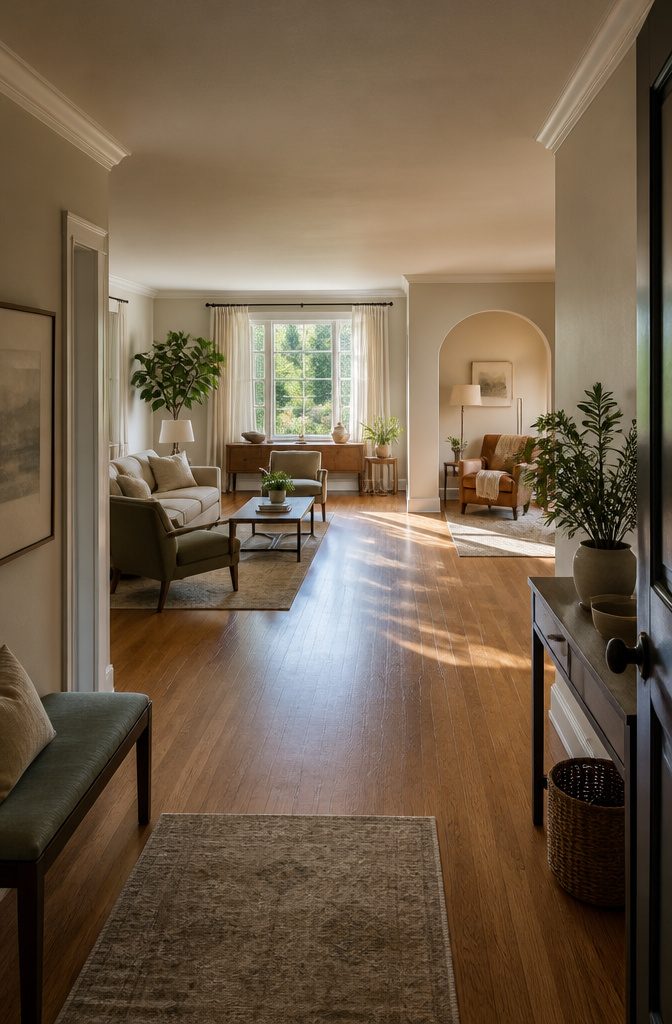
Group the seating so people face each other, such as a sofa with two chairs angled toward it, instead of lining everything along the walls. A room pushed to its edges leaves guests talking across empty floor.
Measure the room, the doorways, and the path from the entry to the windows before you buy anything.
A sofa that fits the wall can still crowd the room if it’s out of scale with the chairs and tables around it. Leave a clear walking path through the room, so nobody has to squeeze past a coffee table.
Then give each use its own corner. A reading nook needs one chair, a side table, and a lamp.
A family room may also need a second grouping for games or TV. Plan the zones around how you actually use the space.
Recommended Products

【Suitable Places】Because of its spacious space, it is widely used as a perfect coffee table in the family. Its compact structure and exquisite texture can unexpectedly highlight your home decoration, which is very suitable for your office, shop, living room, or bedroom.

[Robust All-Around] 2 rings as well as 4 legs made of sturdy steel form the stable foundation of this noble, small coffee table—a hard-wearing yet graceful accent for your home!

Oval Glass Top Coffee Table: The coffee table is made of thickened oval tempered glass, which is very sturdy, waterproof, scratch-resistant, wear-resistant, high-temperature resistant, and easy to clean.
8. Keep Personal Pieces
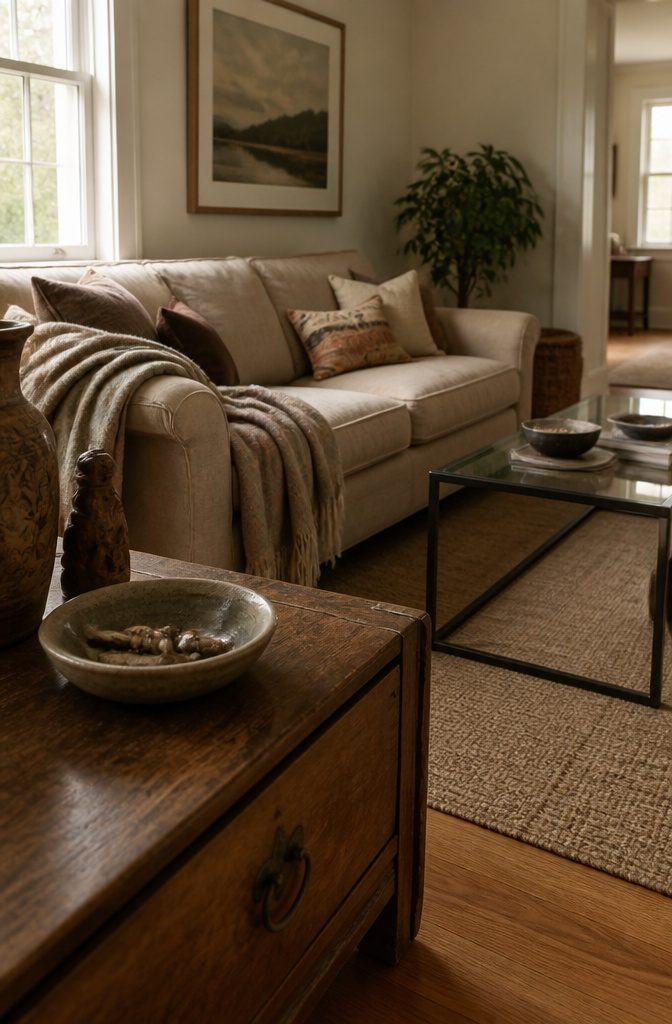
Family photos, heirloom pieces and travel souvenirs keep a transitional room from looking like a showroom. Each addition still has to fit the room’s color palette and style, so group items that share its tones instead of scattering them.
Check any furniture you already own before replacing it. Ask whether it’s comfortable and whether it suits the look.
A comfortable inherited sofa is worth keeping, and a new coffee table with black metal legs and a glass top updates it without a new couch. Worn-in side tables and solid antiques can stay too.
To fill gaps, search Etsy for vintage objects, then check local flea markets and thrift stores.
Recommended Products

【Elegant Rattan Design】The rattan accents on this cabinet add a touch of elegance to any room.The black finish options complement a variety of decor styles,making it a versatile addition to your home.Compatible with most room styles,it will bring an eye-catching feel to your living room,dining room or office.

Kova accent storage cabinet is a beautiful modern boho-chic piece with a natural color palette made of walnut finish and 2 swinging cane door fronts to keep your house clutter-free.

Kova natural cabinet is a beautiful modern boho-chic piece with a natural color palette made of light oak wood finish and 2 swinging cane door fronts to keep your house clutter-free.
What Makes a Room Transitional
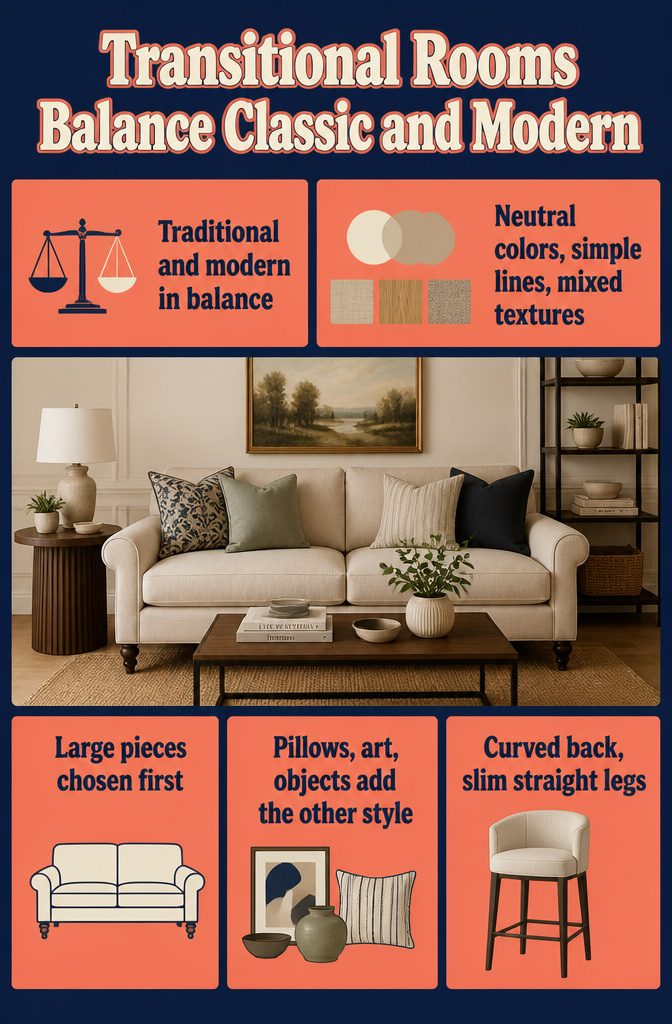
Transitional style pairs traditional and contemporary pieces in a room built on neutral colors, simple lines, and mixed textures.
Neither side wins. That balance is why the room feels timeless, approachable, and cohesive instead of locked to one decade.
Yes, you can mix furniture, and mixing classic and modern pieces is the core of the style. Choose the large pieces first, like the sofa, in whichever look you like most.
Then bring in the other style through throw pillows, wall art, and decorative objects. A single piece can do both, such as a bar stool with slim, straight legs and a curved, upholstered back.
Recommended Products

Premium Cowhide Leather Construction: Made from genuine cowhide leather, this rug features a soft, luxurious texture and a natural look that brings elegance and warmth to any room.

Modern Single-Seater Armchair – This armchair adds a contemporary touch to any space. Perfect for living rooms, bedrooms, home offices, waiting areas, or reading corners. Its compact size fits easily in small spaces while providing comfortable seating.

Mid-Century Modern Armchair:This armchair features a metal frame with a vintage pu leather finish for a sleek mid-century modern look. The armrests are wrapped in the same type of leather for cool comfort. Easily matches a variety of home styles and impresses guests with its sleek look.
Transitional Versus Contemporary
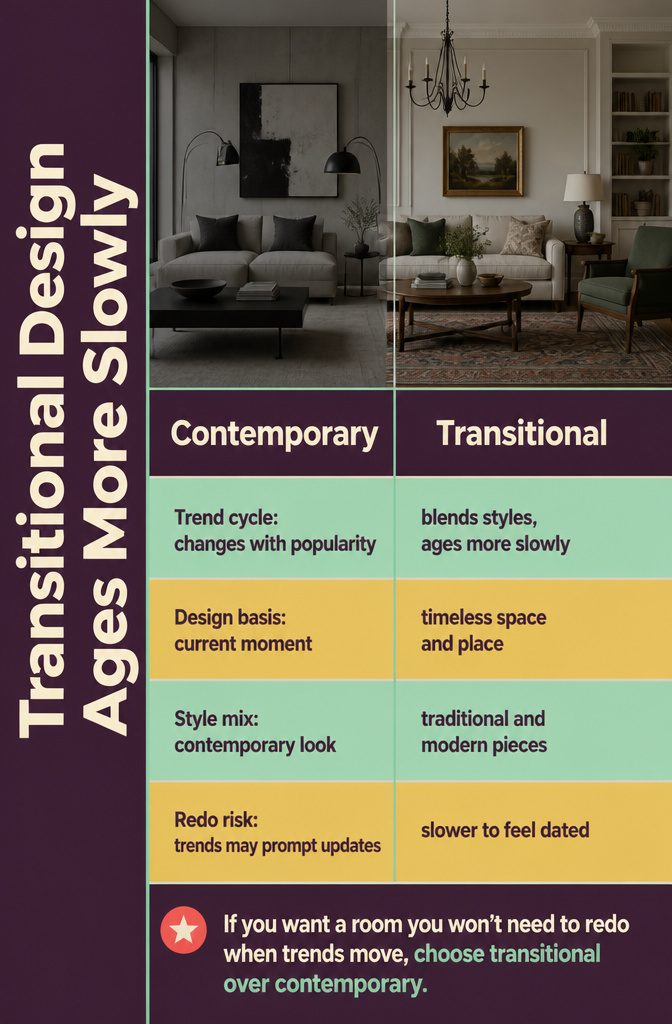
Contemporary design follows whatever is popular right now, so it changes as trends do. Transitional design blends traditional and modern pieces and ages more slowly.
Traditional design dates to the 1700s and 1800s, with roots across Europe, and brings chandeliers, crown molding, and ornate rugs.
In the middle of the 20th century, minimalism pushed back against that ornamentation. Transitional style emerged as the two looks merged, and midcentury modern is a related term.
Designer Feldman draws the line this way:
"Contemporary interiors define a moment in time; transitional interiors define space and place that is timeless."
If you want a room you won’t need to redo when trends move, choose transitional over contemporary.
Recommended Products

【Multi-functional Ottoman】The round ottoman foot rest can be used as a coffee table, small seat, chair stool, bed footstool, fishing stool, storage box, perfect suitable, bedroom, livingroom,dormitory,office,RV,Outdoor,etc. Its classic look allows ottoman to be used in more scenarios when you need it to fit in.

The HIGOGOGO pouf ottoman with a soft and plush long-haired outer layer and full filling, making it perfect for use as an ottoman foot rest or seat cushion.20x20x15 inch size, this ottoman pouf is versatile enough for use with a coffee table, side table, or floor cushion in any room of the house.

The HIGOGOGO pouf ottoman with a soft and plush long-haired outer layer and full filling, making it perfect for use as an ottoman foot rest or seat cushion.20x20x15 inch size, this ottoman pouf is versatile enough for use with a coffee table, side table, or floor cushion in any room of the house.
Frequently Asked Questions
What is a transitional living room?
A transitional living room blends traditional and contemporary pieces in a space built on neutral colors, simple lines, and mixed textures.
Neither style dominates. That balance keeps the room from looking tied to one decade.
Can I mix different furniture in a transitional living room?
Yes, mixing is the core of the style. Choose the large pieces, such as the sofa, in the look you like most, then bring in the other style through pillows, wall art, and decorative objects.
A simple pairing is one heavier traditional piece with one lighter modern piece, like a wingback chair beside a glass coffee table.
Can I use bold colors in a transitional living room?
Yes, as accents only.
Keep the walls and big furniture in neutrals or muted pastels, and add bold color through pillows, throw blankets, rugs, and artwork. Sapphire blue, mustard yellow, and burgundy are easy colors to start with.
What are some examples of transitional style home decor?
A classic sofa paired with a glass coffee table on black metal legs is a common example.
Others include a brass or gold pendant light, a plush rug under metal lighting, cane next to dark wood, and a bar stool with slim straight legs and a curved upholstered back.
An oversized mirror or a single piece of abstract art works well as the focal point on a wall.