
Costs run from a $315.91 bidet seat to remodels that start around $20,000 and pass $50,000, and what sorts them is whether the plumbing moves.
Hardware, paint, and a lighted medicine cabinet install over a weekend. A freestanding tub in the middle of the room needs new supply lines and a relocated drain.
1. Freestanding Tubs and Wet Rooms
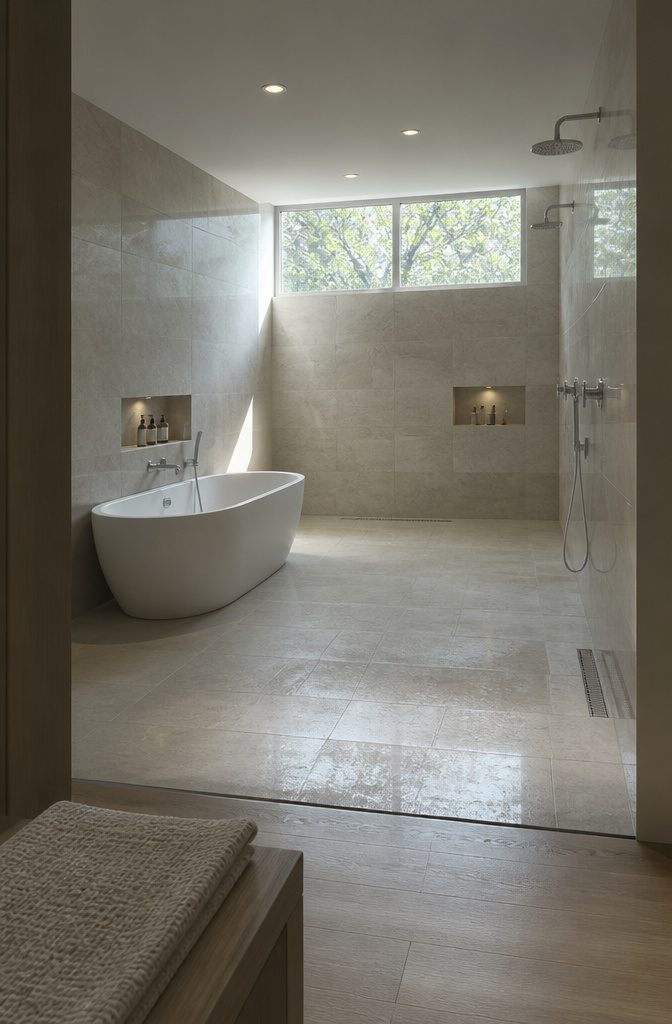
A freestanding tub becomes the focal point because it stands clear of the walls and can be deeper than an alcove tub, which makes it the better choice for soaking.
Budget-friendly models exist, so the look doesn’t require a luxury label.
Setting it near the existing tub drain keeps plumbing work small. Moving it to the middle of the room means new supply lines and a relocated drain, so hire a plumber.
A wet room goes further: remove the shower enclosure, run tile floor to ceiling, and put rainfall showerheads on one side and the tub on the other, with a discreet drain at each end.
That takes waterproofing and floor drains, so it suits a first-home remodel, not a rental. Renters can still swap in a rainfall showerhead.
Recommended Products

Freestanding Tub Drain Kit: Works with all freestanding bathtubs, floor mounted bathtubs and island bathtubs. Stable installation on different materials such as wood, cement, tile and concrete
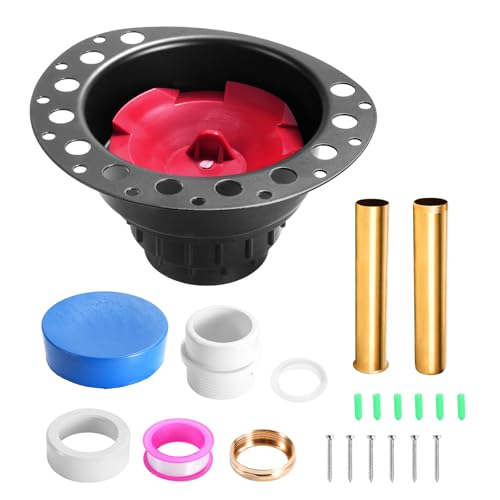
【Compatible With】 : Our Freestanding Tub Drain Kit is suitable for all freestanding bathtubs, floor bathtubs and island bathtubs, stable installation on wood, cement, tile and concrete.

【Universal Substrate Compatibility】Engineered to deliver reliable performance on all common flooring substrates including wood, ceramic tile, cement, and concrete, ensuring code-compliant installation in both new construction and renovation applications.
2. Natural Stone, Marble, and Tile
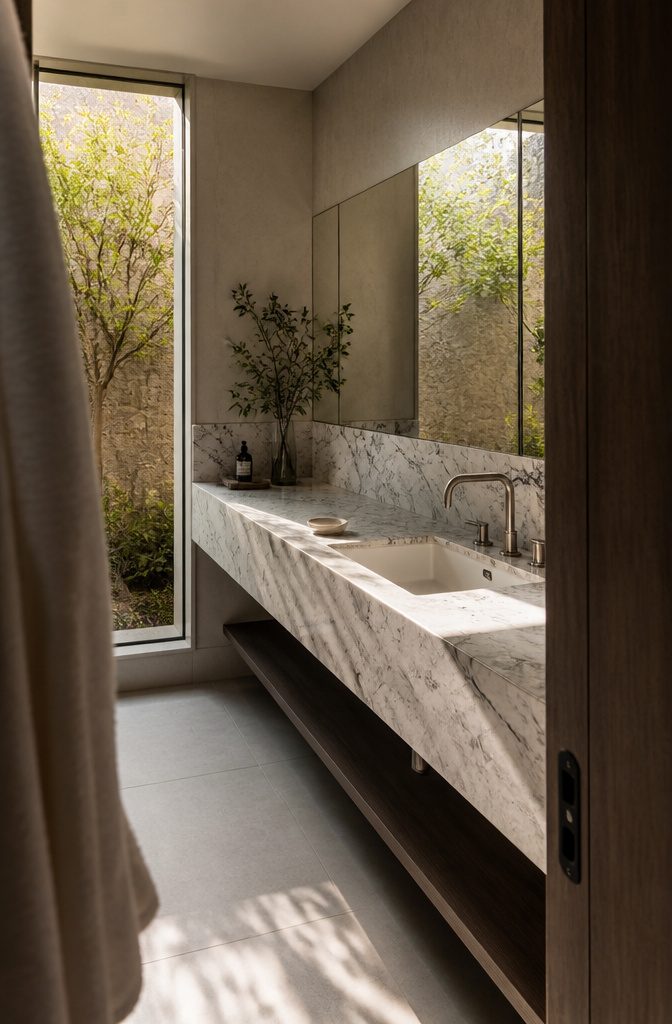
Marble, porcelain tile, and stone countertops are the durable, timeless choices, and they look best when you limit how many materials the room uses.
Carrying one material across the floor, tub, and walls gives an immersive, polished look, and bold veining adds drama without adding objects.
If that feels like too much, confine the marble to a countertop or backsplash. Large-format slabs or tiles keep the surface continuous.
In a small bathroom, light-colored tile makes the room feel larger. Seal natural stone regularly so it doesn’t stay porous.
Recommended Products

NOTE: This showerhead is constructed from solid 304 stainless steel, weighing 6.4 pounds, featuring an oversized 16x16-inch design with 324 nozzles. Therefore, it is NOT suitable for areas with low water pressure! Please read the instructions before purchasing. Thank you!

High-Pressure Effective Rain Shower Head: With pressure-boosting air-in technology, it produces luxuriant full-coverage rain spray with powerful massage performance, suited for households with low water pressure. Removable water flow restrictors allow freely adjustable water flow, a practical choice for families who want to regulate water usage. It maintains stable and strong water output at all times and helps manage water expenses effectively. The showerhead combo includes one high-quality ABS rainfall showerhead, one solid full metal curved extension arm, installation hardware, and a detailed instruction manual

12 Inch Shower Head Combo : The 12 " Rain Shower Head is a high performance and excellent combination. The combination of the rain showerhead and hand-held showerhead creates a truly indulgent shower experience, providing a satisfying and enjoyable bathing experience every time.
3. Wood and Natural Elements
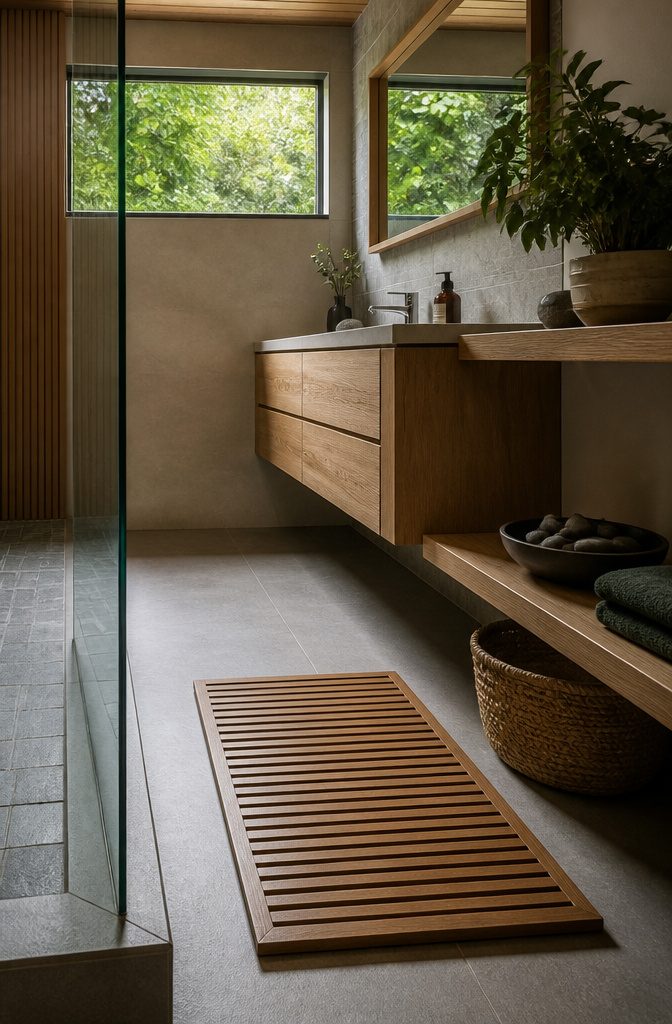
Wood warms a room of stone and glass faster than a paint color can.
A wood vanity, a slatted bath mat, or a plain floating shelf breaks up hard surfaces and makes the room feel calmer. Look for wood with a sustainable forestry certification, or reclaimed boards, and ask how it is sealed.
Humidity is the limit.
Unsealed wood near the shower will swell, darken, and warp, so use a water-resistant finish and keep it out of the direct splash zone. Dense hardwoods hold up better, but plan to reseal them.
Plants soften edges too, but choose ones that tolerate steam and low light, and expect to replace a few. For texture with no moisture risk, add woven baskets, rattan, or a bowl of river pebbles.
Recommended Products
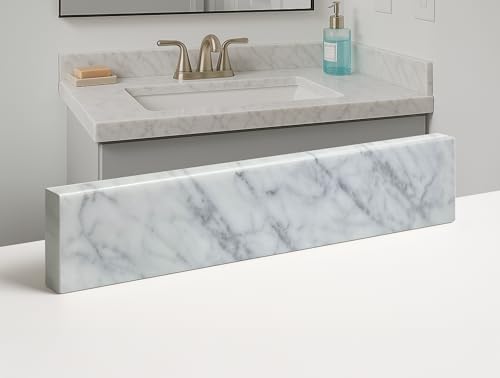
VERSATILE DESIGN: Perfect addition to protect your bathroom walls from water damage, designed to complement standard vanity sinks and countertops.
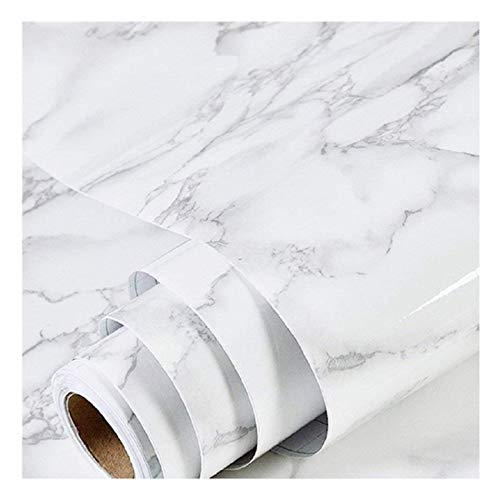
Real Marble: Faux marble wallpaper peel and stick, designed according to the real marble texture, is beautifully designed in white and grey. Its delicate texture, rich color and excellent finish make it a calm atmosphere, luxurious texture looks very real, allowing you to enjoy the real marble scene at a cost-effective price

Material: This product is made of transparent PET environmental protection material.which is waterproof, oil-proof, heat-resistant and easy to clean. It is especially suitable for protecting walls and furniture in the kitchen.
4. Vanities and Storage
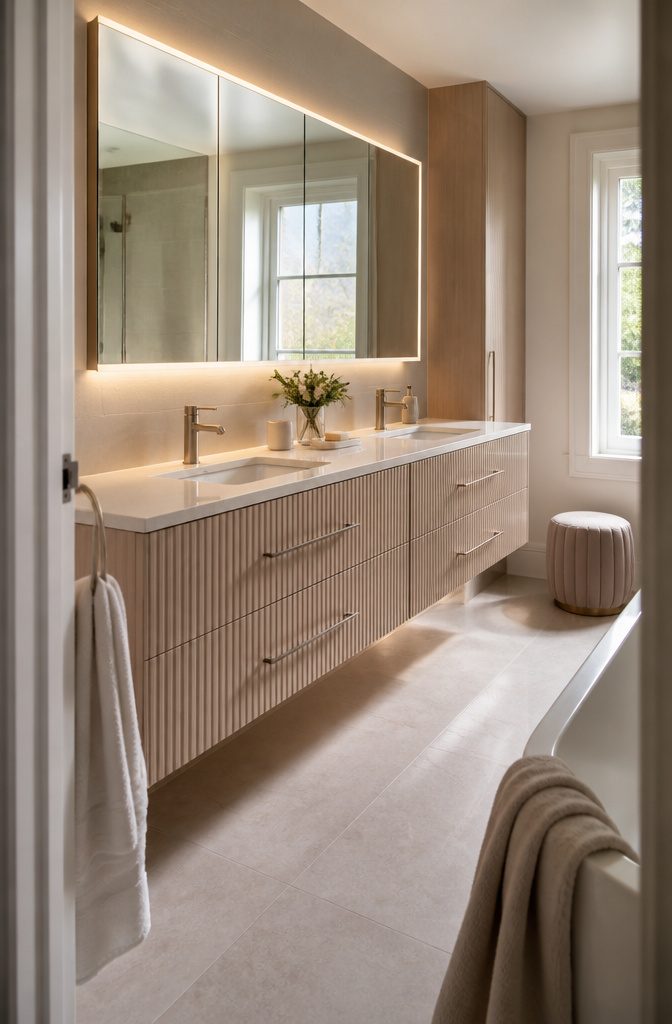
A floating vanity is the best pick for a small bathroom. Mounted to the wall, it leaves the floor visible underneath, which makes the room feel larger, and it still holds drawers.
Choose drawers over doors so nothing gets lost at the back, and add long pulls and soft-close slides for a clean line.
Shared bathrooms earn a double vanity with undermount sinks and a quartz or granite top. A wood vanity with vertical reeding, or custom cabinetry, adds character.
A lighted medicine cabinet hides medicine and first aid supplies behind the mirror and can replace other lighting. A separate makeup table with a stool keeps primping off the sink counter.
Recommended Products

Water-Resistant Sealed Surface for Daily Splashes: This Non-Slip Base scalloped wood riser tray features a smooth sealed finish that helps water bead up on the surface instead of soaking in quickly. A warm walnut-tone wood look adds cozy farmhouse style while helping keep sink-side bottles, lotion, and small essentials neatly lifted and easy to wipe.

Easy DIY, Just Peel & stick, cut with tin snip , utility knives or hand saws, saving large amount on labor.

【Durable & Water-Resistant Design】This 24-inch bathroom vanity is designed to withstand humid bathroom environments. The water-resistant surface helps resist moisture, warping, and daily wear, while the smooth finish is easy to clean and maintain for lasting beauty.
5. Layered Lighting
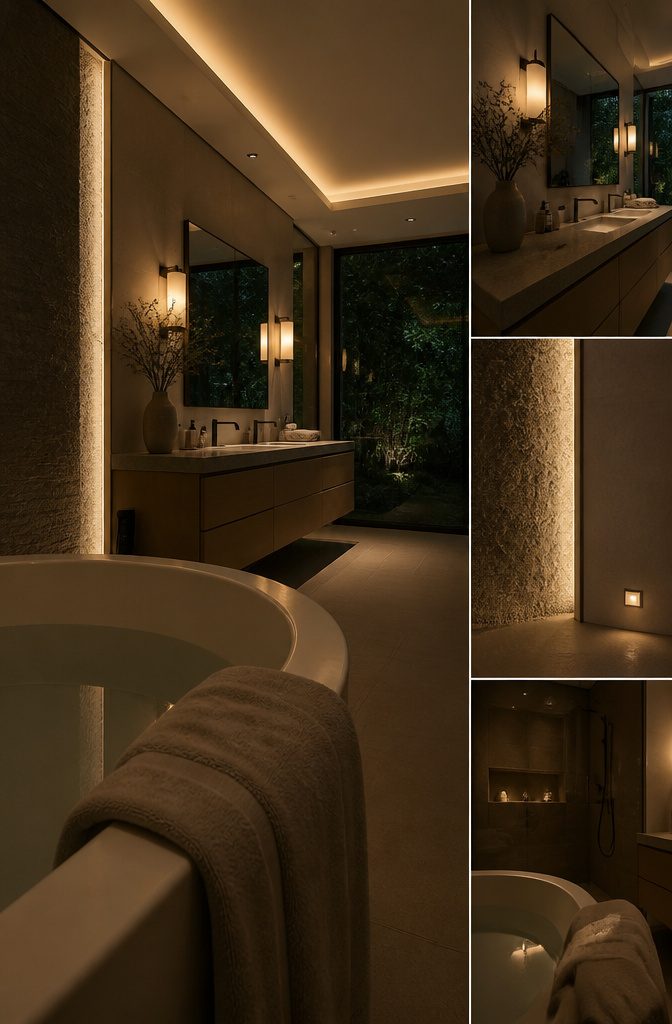
Build the lighting in three layers: task light at the mirror, soft ambient light for the room, and accent light for texture.
Wall sconces or a lighted medicine cabinet cover the task layer for shaving, skincare, and contacts. The cabinet costs a little more than a standard one, but it also hides clutter and can replace other fixtures.
Cove lighting, glow under floating shelves, or LEDs behind the mirror handle the ambient and accent layers.
Put every layer on a dimmer so the same room works for a bright grooming routine and a slow evening soak. Light grazing across stone or wood grain brings out the texture without glare.
A faint night light keeps late trips easy and the mood intact. Where a window allows, let daylight carry the morning.
Recommended Products

【Durable Floating Vanity Design】36" wall-mounted vanity with a sleek ceramic sink and artificial marble countertop. The floating style adds a modern look while keeping the floor easy to clean.

Sleek Geometric Design with Ample Storage: Elevate your bathroom with our modern floating vanity, featuring a stylish geometric textured finish and two large soft-close drawers that effortlessly hide all your essentials, keeping your space clutter-free and visually stunning

【🧼✨ Premium Resin Countertop & Sink】One-piece glossy white solid surface basin – stain-resistant, easy to clean, resists yellowing. Low water absorption for lasting beauty. Compatible with 1-3/8" single hole faucets & 1-3/4" pop-up drains (faucet/drain not included). 🚰
6. Color Palettes
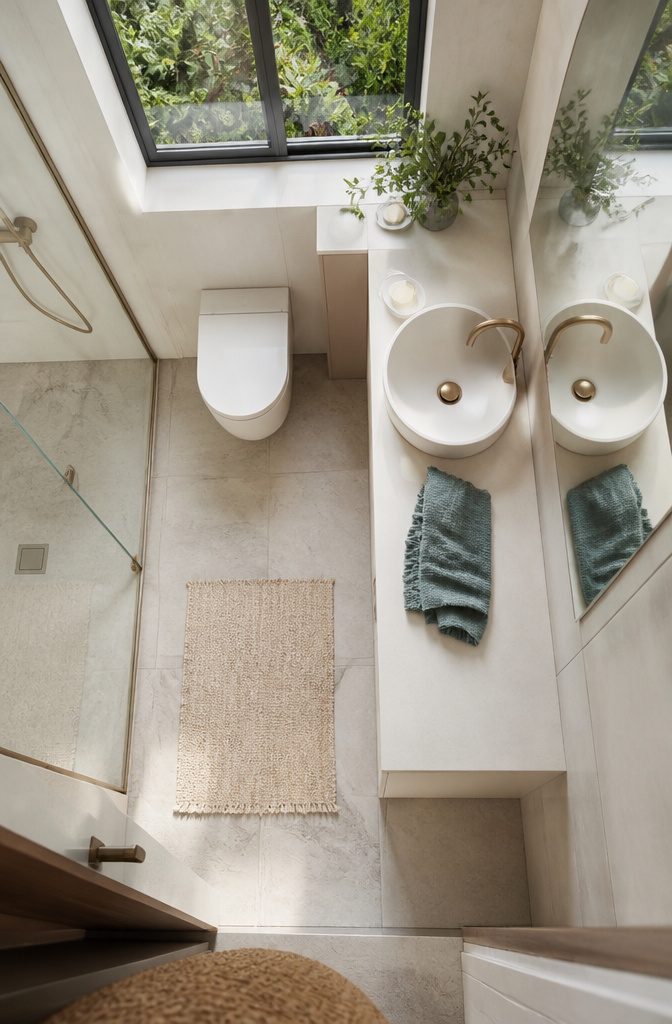
Soft neutrals, muted blues, gentle greens, and all-white schemes reflect light and pair with almost any material, which is why they read as calm.
If bright white feels sterile, step down to a creamy neutral like Farrow & Ball’s "Orange Colored White," and choose warm-toned, non-reflective metal for faucets.
All-black rooms look dramatic, especially with gold details against marble. Navy, emerald green, and matte black work better as accents, and a powder room is the place to try them.
For a small bathroom, stay with soft neutrals or all-white, since they bounce light. Add one dark accent instead of painting the whole room.
Recommended Products

Low Profile Shower Drain for Space-Saving Setup:This low profile p-trap works great with free standing tub drain kits. Its 1-1/2 inch end nut easily hooks up to standard threaded drain pipes. Perfect for tight spots in RV shower drain setups too!

UNIVERSAL DROP-IN FIT FOR FREESTANDING TUBS – Designed to fit 1-1/2" male, female, or threaded tub drains, making installation easy across most freestanding bathtub models.

Cinsda 1-1/2" low profile p trap is one of the bath shower fittings, ideal for bathtub installations. It is also suitable for RV tubs
7. Premium Fixtures and Hardware
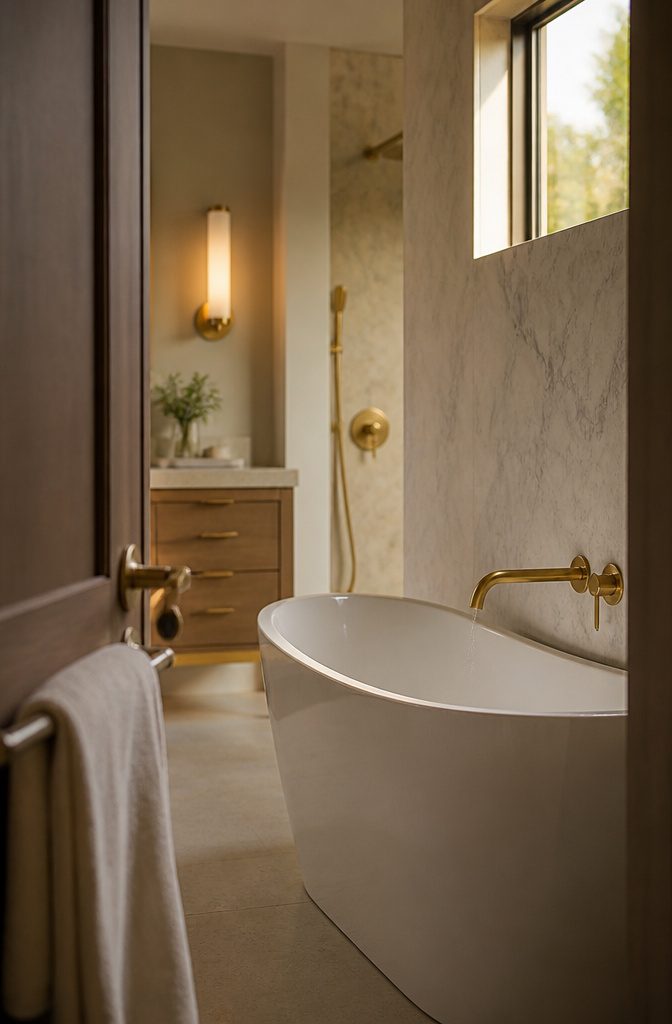
Hardware works like jewelry in a modern luxury bathroom, so choose solid construction and a brass or aged-metal finish.
Brass adds warmth against marble and natural stone. Bronze has an aged look that suits wood, white, neutral, and dark palettes, and it works on faucets, showerheads, cabinet pulls, and door handles.
Pick one finish and repeat it on the faucet, shower trim, towel bar, pulls, and light fixtures. Brushed brass and polished nickel both work this way.
Mixing three metals looks accidental. A wall-mounted brass faucet beside a freestanding tub is the showpiece pairing.
Swapping faucets, pulls, and towel bars fits in a weekend, and handles take minutes. Leave moving supply lines or rewiring to a pro.
Recommended Products

[High Pressure Rainfall] Singing Rain Luxury Modern Rainfall Shower Head is perfect for spa-like experience in your home. Featuring a modern design, this shower head jets out high-pressure, fine dense hot water to wash away dirt and tiredness. Enjoy a luxurious shower with the Singing Rain and feel refreshed and invigorated. With its adjustable angle, this shower head is perfect for any bathroom. Experience the soothing effect of the Singing Rain and feel the difference in your skin and hair.

POWERFUL WATER FLOW - Oversize high pressure showerhead enough to cover your whole body. Combination of ultra-thin and air intake technology to increase water pressure, optimized for any water pressure, just like full and dynamic massage to your skin. This shower head will definitely offer a hotel-style shower experience for you. (Filter Replacement, Please Search: B0DHYWHW6V)

10 inch Large Rain Shower Head: The rainfall shower head with air energy technology to compensate for low water pressure situation to output water at a higher velocity, brings you full-body High pressure shower.
8. Mirrors and Glass
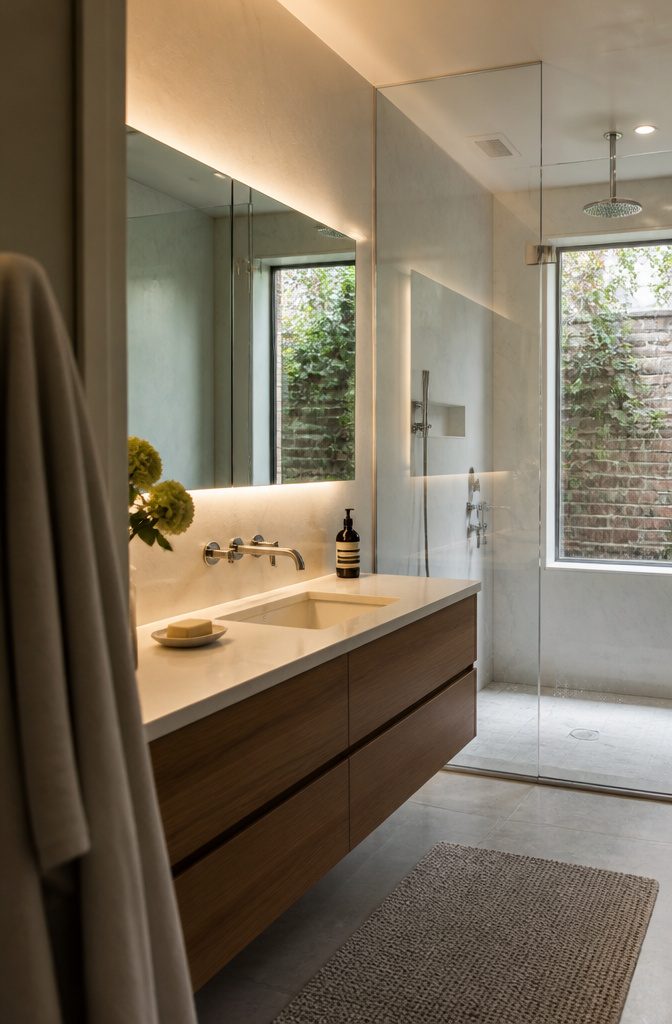
A large mirror makes a small bathroom feel bigger because it bounces both window light and fixture light back into the room.
Go wide over the vanity rather than hanging two small mirrors, and position it where it catches the window.
A backlit mirror gives the most luxury for the space: the glow behind the glass lights your face evenly and doubles as soft accent light at night. Smart versions add extras, but a plain backlit one delivers the look.
In the shower, swap the curtain or framed door for clear frameless glass.
With no curtain or metal frame to stop the eye, the view runs to the back wall and a compact room reads as one open space. Frosted glass defeats that, so keep it clear.
Recommended Products

Black Marble Wallpaper: This wallpaper features a black marble design. Its back is gridded for easy measuring and cutting

PEEL AND STICK WALLPAPER for countertops is a type of self-adhesive wallpaper that is specially designed to be applied on countertops. It is waterproof and easy to apply, as it does not require any extra glue or adhesive. Instead, the wallpaper has a pre-applied adhesive backing that allows it to stick securely to the countertop surface.

PEEL AND STICK WALLPAPER for countertops is a type of self-adhesive wallpaper that is specially designed to be applied on countertops. It is waterproof and easy to apply, as it does not require any extra glue or adhesive. Instead, the wallpaper has a pre-applied adhesive backing that allows it to stick securely to the countertop surface.
9. Technology and Comfort Features
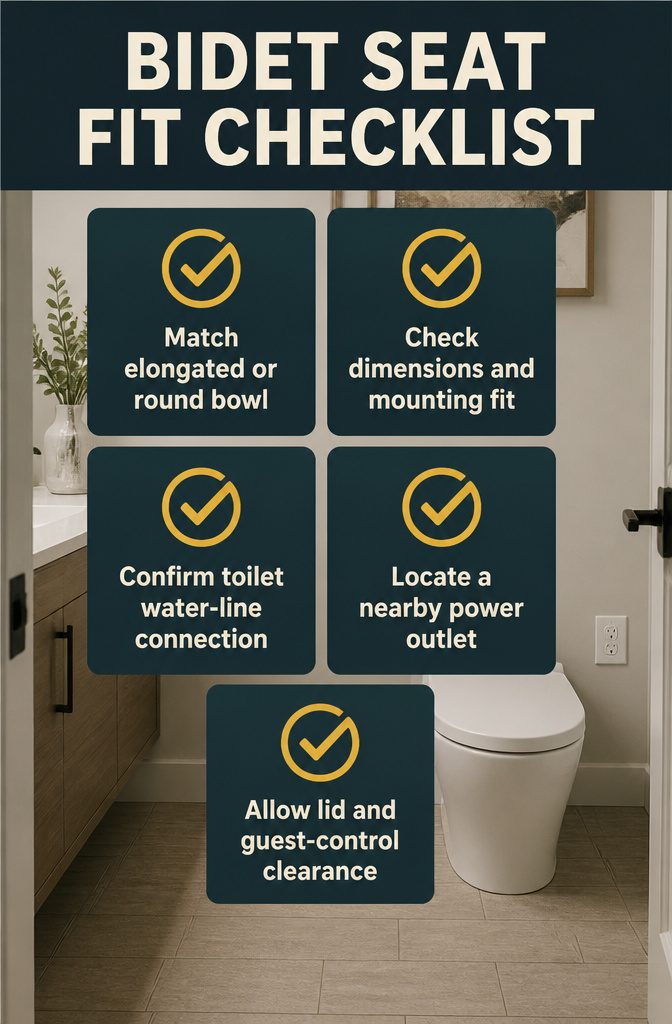
A heated bidet seat is the cheapest way to add daily comfort to a toilet that still works.
The American Standard Advanced Clean 1.0 SpaLet elongated seat starts at $315.91, while the Kohler Eir one-piece toilet with a seat built in starts at $7,299.98. Before ordering a seat, check:
- Toilet shape: elongated and round bowls take different seats.
- Dimensions and mounting fit: the seat’s hardware must line up with your bowl.
- Water line: the seat needs a connection to the toilet’s supply.
- Nearby power: an outlet should be close enough for the cord.
- Clearance: the lid needs room to open, and the controls should be easy for guests.
Heated floors and dimmable lights are the other upgrades that make a routine easier. Heated floors also add comfort and resale value.
Recommended Products

NATURAL WOOD & HANDMADE: This perfume tray is crafted from natural oak wood and is 100% handmade, odorless, lightweight, and features a smooth finish with sturdy construction.

【Durable & Water-Resistant Design】This 30-inch bathroom vanity is designed to withstand humid bathroom environments. The water-resistant surface helps resist moisture, warping, and daily wear, while the smooth finish is easy to clean and maintain for lasting beauty.

Premium Material:This elegant bathroom tray is crafted from natural marble, making it heavier, more luxurious, and more durable than trays made of plastic, resin, or faux stone. Each piece features unique natural veining and color variations, making it a beautiful piece of natural art for your home. Please note that marble patterns vary naturally, so the product you receive may differ slightly from the image shown.
10. Textiles and Finishing Details
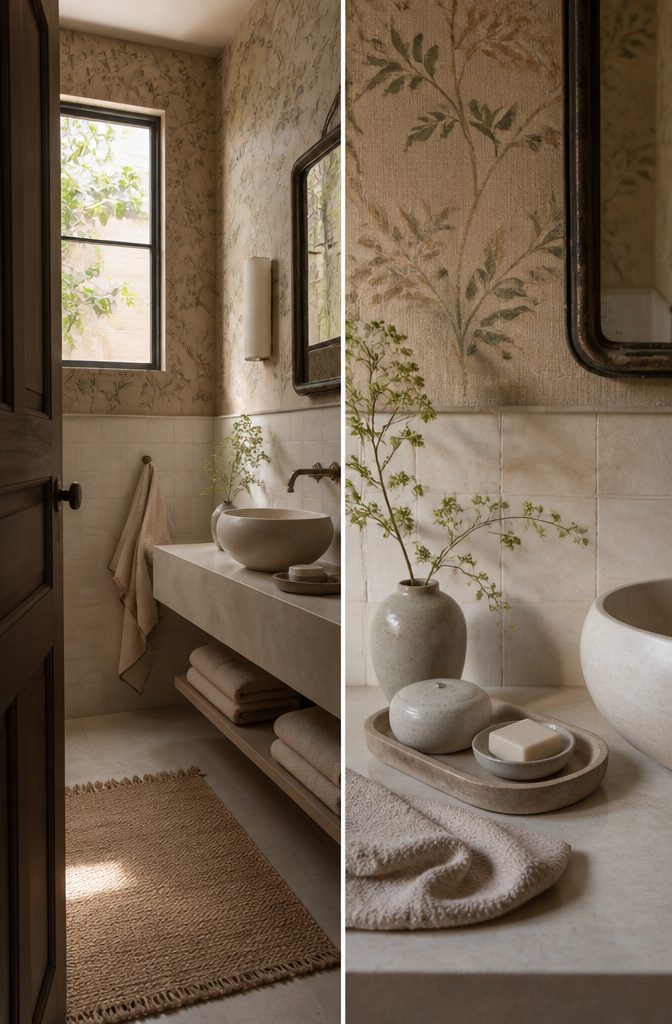
Plush towels are the quickest spa cue.
Keeping towels, bathrobes, and the shower curtain in neutral tones keeps the room in step with stone and tile. A woven mat underfoot softens hard surfaces.
Repeat a few shapes, such as a ceramic vessel and a minimalist tray, to add depth without clutter. All of it swaps out in minutes.
Nature-themed art or photographs deepen the calm.
In a half bath or powder room, a vintage-inspired wallpaper packs the most punch because the space is small. An antique mirror or apothecary jars add age, and a monogrammed towel or an unusual soap dish makes the room yours.
Recommended Products

WALL-MOUNTED DESIGN: This bathroom vanity with a sink features a modern floating design. It not only protects the base from moisture but also allows you to choose the appropriate height according to your height. It is very suitable for small bathrooms

84-inch super-large floating design: This 84-inch extra-large floating double sink bathroom vanity mounts directly to the wall, freeing up valuable floor space and making cleaning a breeze for large families or shared bathrooms

【Durable Floating Vanity Design】30" wall-mounted vanity with a sleek ceramic sink and artificial marble countertop. The floating style adds a modern look while keeping the floor easy to clean.
11. Seating and Places to Pause
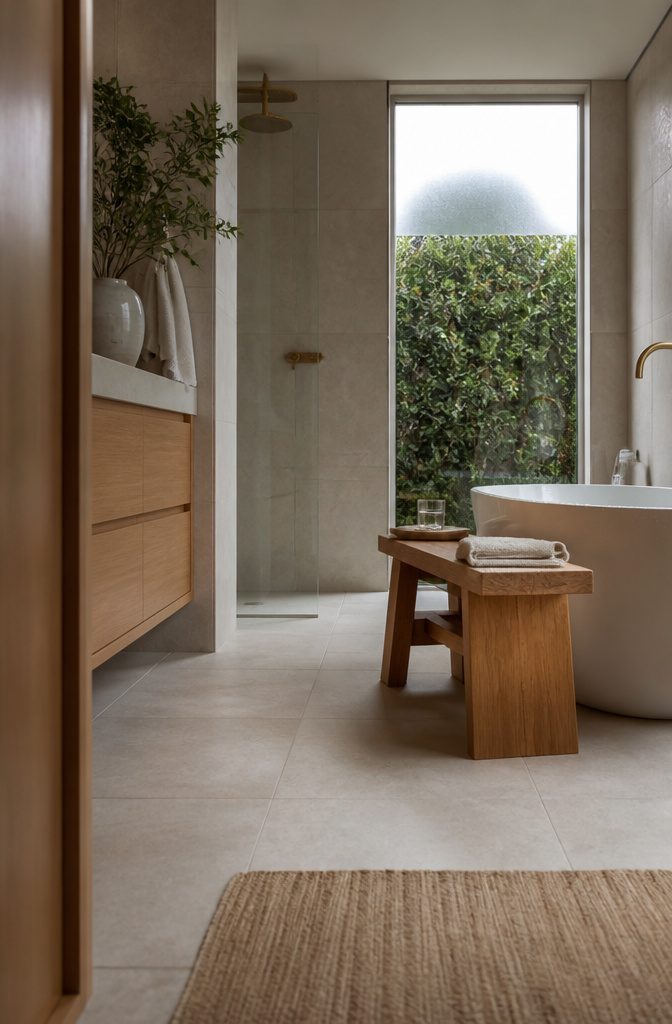
A seat borrowed from the living room makes a bathroom feel less like a utility space.
A vintage stool, a small bench, or a seat under a pendant gives you somewhere to land while you dry off, put on lotion, or sit for a minute.
You have two ways to add one. A built-in bench inside a shower or wet room is the permanent choice, and it pairs well with multiple shower heads, but it means tile work and belongs in a remodel.
A freestanding stool or bench is the better pick for renters and weekend budgets, because it moves with you and is easy to undo. Place it near the tub or vanity, out of the direct spray.
12. Budgeting and Targeted Upgrades
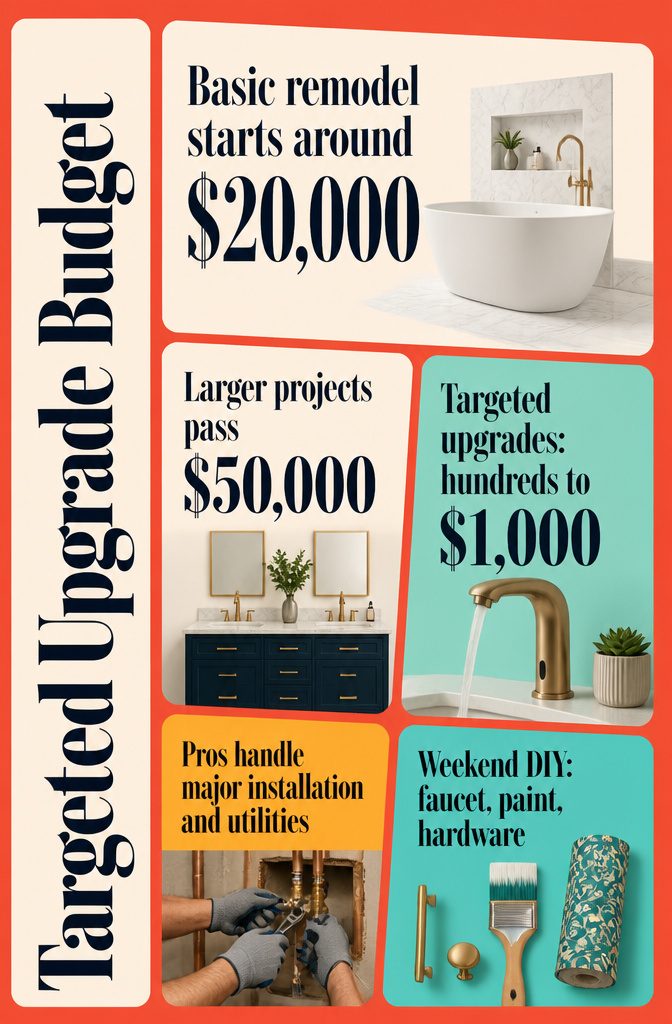
A basic luxury remodel can start around $20,000, and larger projects pass $50,000. A budget of a few hundred dollars to $1,000 won’t cover that, so targeted upgrades are the better route.
Pick the one or two big-ticket items that change the room most, such as a whirlpool tub or a complete shower system, and put the bulk of your money there.
Leave that installation, along with any plumbing and electrical work, to professionals.
Do the rest yourself over a weekend: faucet, medicine cabinet, paint, wallpaper, and hardware. A touchless faucet or a lighted medicine cabinet installs without a contractor.
Textured wallpaper and a fresh coat on the walls and cabinets add polish. New hardware takes minutes and shows right away.
What Makes It Feel Like a Spa
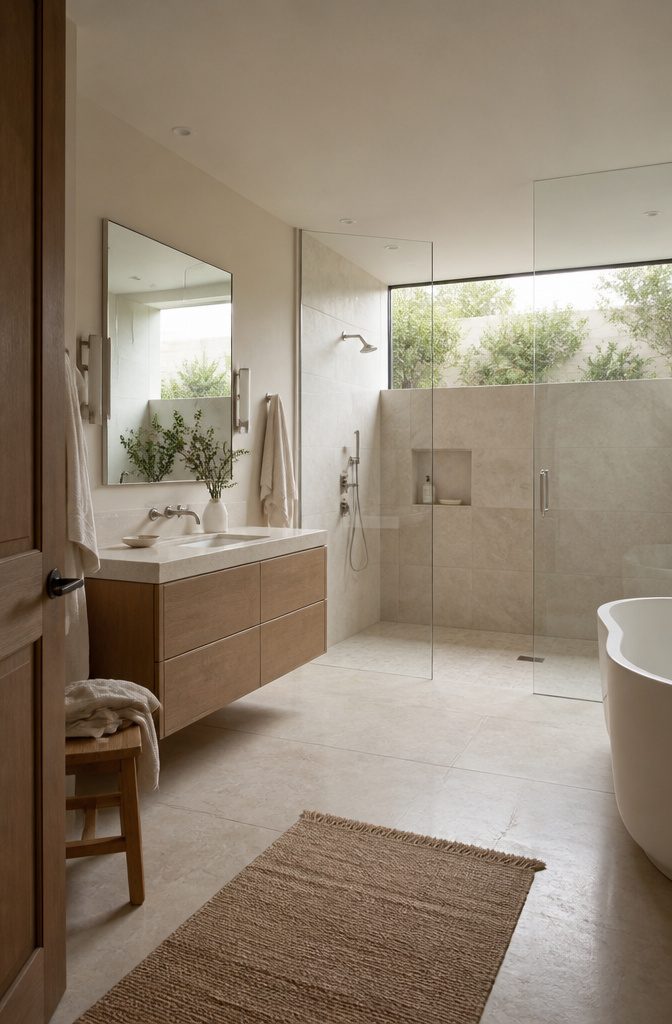
Luxury in a bathroom is a balance of looks, comfort, and how easily the room works on an ordinary morning.
A space packed with features but hard to clean, or crowded with bottles on every ledge, feels busy instead of restful.
A large room helps, but a compact bathroom can feel like a spa with light colors, mirrors, and clear glass that keep it airy and open.
Choose one or two standout materials and let everything else support them.
Natural stone, oak, and soft cotton or bamboo in neutral tones calm a room quickly. Storing toiletries out of sight keeps it from reading as a plain wash space.
Ventilation, Upkeep, and Slip Resistance
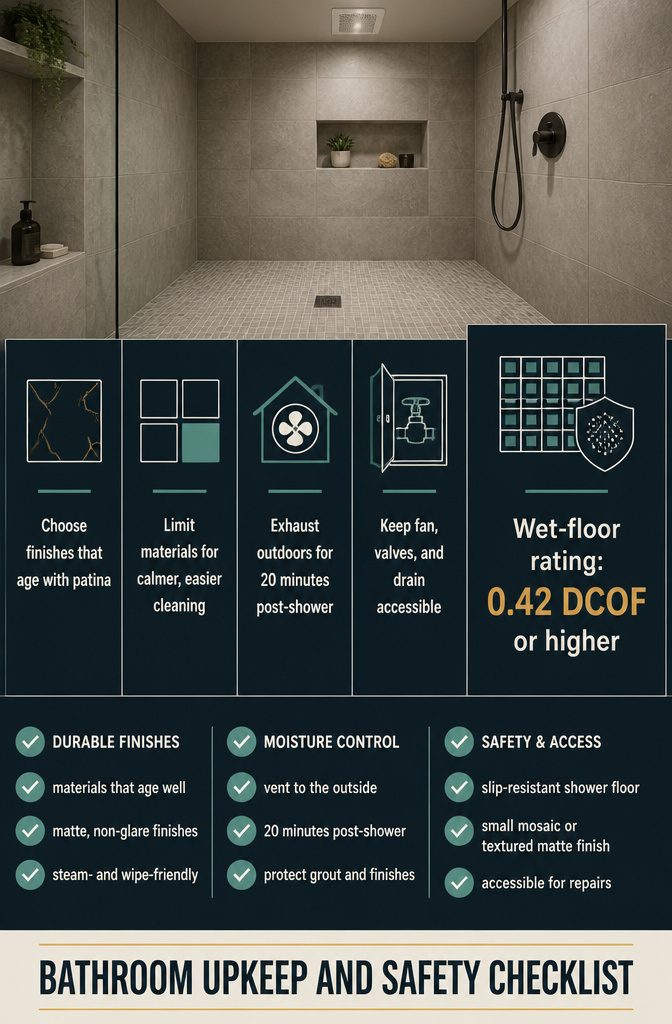
Luxury finishes only stay luxurious if they handle steam, wet feet, and daily wiping.
- Choose materials that age well. Surfaces that develop patina over time beat ones that simply wear. Synthetic finishes can look sterile, glare under light, and show wear quickly.
- Limit the material list. Using fewer materials across floors, walls, and ceiling looks calmer and means fewer surfaces to clean.
- Vent to the outside. A fan that exhausts outdoors and runs for about 20 minutes after a shower keeps moisture from reaching grout, paint, and wood.
- Plan for access. Keep the fan, valves, and drain reachable for repairs without cutting into finished walls.
- Pick slip-resistant shower floor tile. Choose small mosaic tiles or a textured matte finish, and check for a wet rating of 0.42 DCOF or higher. More grout lines mean more grip underfoot.
Frequently Asked Questions
How can I make my bathroom look like a spa?
Pick one or two standout materials, such as natural stone or oak, and keep everything else simple so those two lead.
Add dimmable soft lighting, plush towels in neutral tones, and a freestanding tub or rainfall showerhead. Store toiletries out of sight, because crowded ledges make a bathroom look busy instead of calm.
What is the best color for a spa-like bathroom?
Soft neutrals, muted blues, gentle greens, and all-white schemes are the best choices, since they reflect light and pair with almost any material.
If bright white feels sterile, use a creamy neutral instead. Navy, emerald green, and matte black work better as accents, and a powder room is a good place to try them.
Do I need a large bathroom to get a spa-like feel?
No. A compact bathroom can feel like a spa with light colors, one wide mirror over the vanity, and clear frameless shower glass.
A floating vanity also helps, because the visible floor underneath makes the room feel larger. Light-colored tile adds to the effect.
What type of hardware works best in a modern luxury bathroom?
Choose solid-construction hardware in brass or an aged-metal finish such as bronze.
Brass adds warmth against marble and stone, and bronze suits wood, white, neutral, and dark palettes. Pick one finish and repeat it on the faucet, shower trim, towel bar, pulls, and light fixtures.
What are the must-have features in a luxury bathroom?
Heated floors and a floating vanity are the two features most often credited with adding comfort and resale value.
Beyond those, look for high-quality stone or tile, solid brass or aged-metal hardware, and dimmable lighting. A heated bidet seat is the cheapest comfort upgrade, with the American Standard Advanced Clean 1.0 SpaLet starting at $315.91.
How much does a luxury bathroom remodel cost?
A basic luxury remodel can start around $20,000, and larger projects pass $50,000.
A budget of a few hundred dollars to $1,000 won’t cover a full remodel, but it can pay for targeted upgrades such as a faucet, hardware, paint, or a lighted medicine cabinet.
What are the best materials for a luxury bathroom?
Marble, porcelain tile, and stone countertops are the durable, timeless choices.
They look best when you limit how many materials the room uses. Seal natural stone regularly so it doesn’t stay porous.
What lighting works best in a luxury bathroom?
Use three layers: task light at the mirror, soft ambient light for the room, and accent light for texture.
Wall sconces or a lighted medicine cabinet cover the mirror, and cove lighting or LEDs behind the mirror handle the rest. Put every layer on a dimmer, and let daylight carry the morning where a window allows.