
Layer ambient, task and accent light with at least 2–3 sources, and keep bulbs between 2,700K and 3,000K. Shade color sets the choice: 3,000K under a dark shade, 2,700K under a white one, both at 450–800 lumens.
The room shown here has 12 sources besides its McGee & Co. Farlane Chandelier.
Ambient Lighting
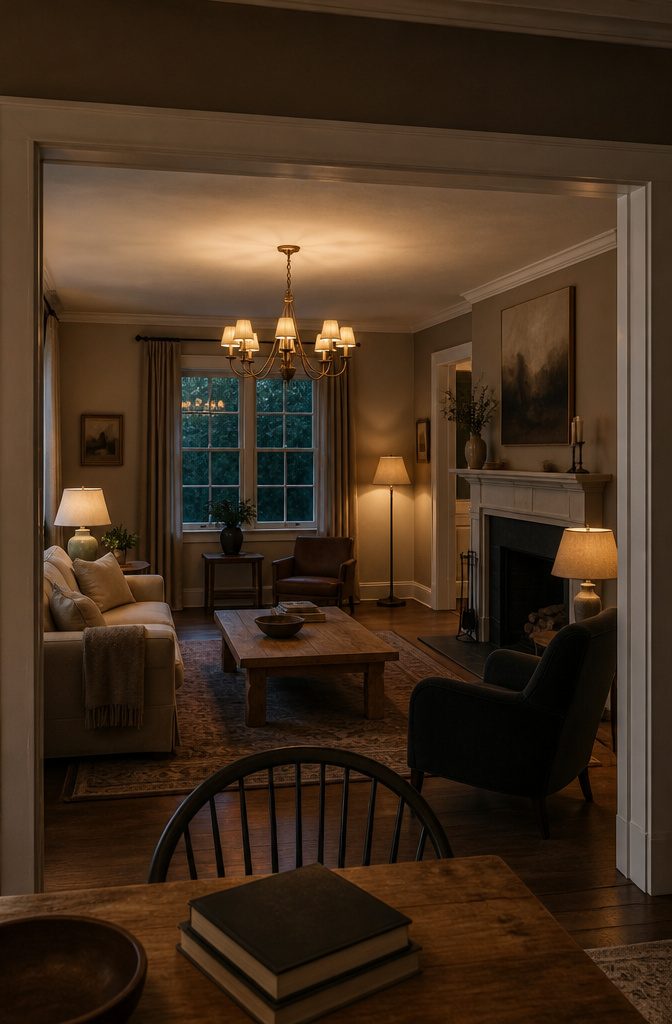
A good living room layers three kinds of light: ambient, task and accent. Aim for at least 2–3 sources, ideally one from each layer.
Ambient light is the general glow that stands in for window light.
Chandeliers, flush mounts and recessed lights all work, and the living room featured here uses a McGee & Co. Farlane Chandelier.
To size a chandelier, add the room’s length and width in feet and read the total as inches of diameter. Size up rather than down, and put almost everything on a dimmer.
Large living rooms can hold 10 or more sources. The one featured here has twelve, not counting the chandelier, candles or fireplace.
Recommended Products

Petite Elegance: Crafted with dimensions of D7.9"x H11" and a ceiling base of 4.7", this mini chandelier boasts a small yet exquisite design. Please ensure compatibility with your room's dimensions before purchase.

Unique Crystal Glass Design: Never to chip, fade, or tarnish. This unique style chandelier light features crystal tube is shiny, crystal home decor.
Task Lighting
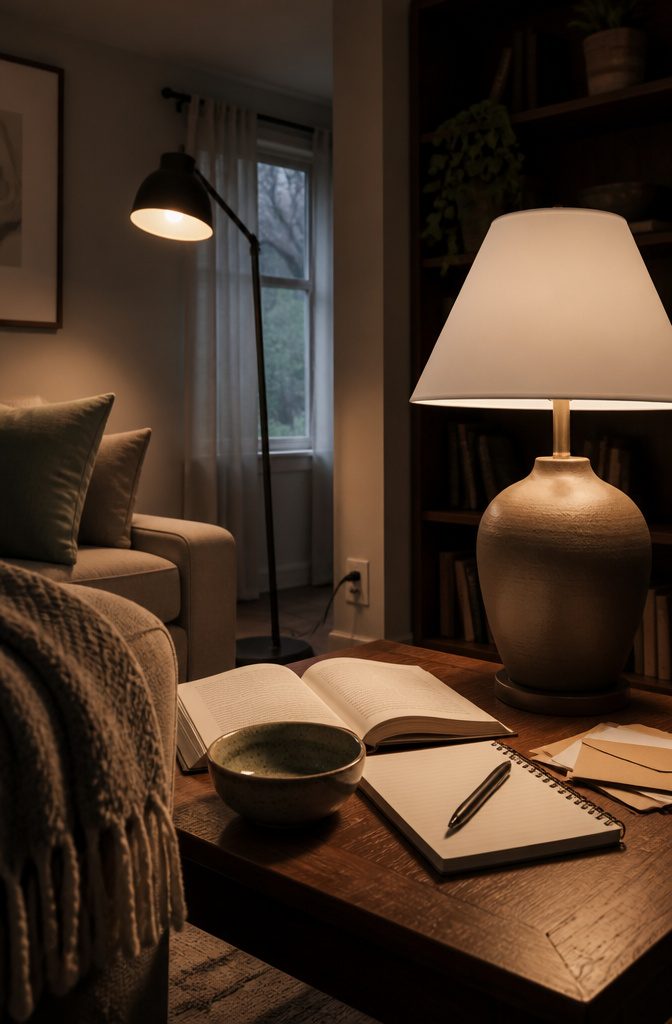
Task light is the working layer: the light you read, write, or sort mail by, which is why reading lamps and desk lamps are the standard examples.
In this living room, table and floor lamps do the job, specifically the Visual Comfort Classical Urn Form Medium Table Lamp and the Amazon Pharmacy Floor Lamp.
Lamps are the easiest layer to add because they plug into an outlet and need no wiring, which suits renters.
For any lamp with a shade, pick the bulb by shade color: 3,000K under a dark shade, 2,700K under a white one, at 450–800 lumens. Both stay in the warm range, so reading light won’t feel clinical.
Recommended Products

Floor Lamp with 3-Tier Side Table: More than just a floor lamp, this space-saving lamp and table combo provides 3 open shelves for books, drinks, décor, electronics and everyday essentials. Each shelf easily supports up to 60 lbs, providing sturdy and reliable storage for your daily items. Measuring 18.9"D x 13.39"W x 59.45"H, it fits naturally beside a sofa, bed or reading chair while adding useful storage without requiring a separate end table.
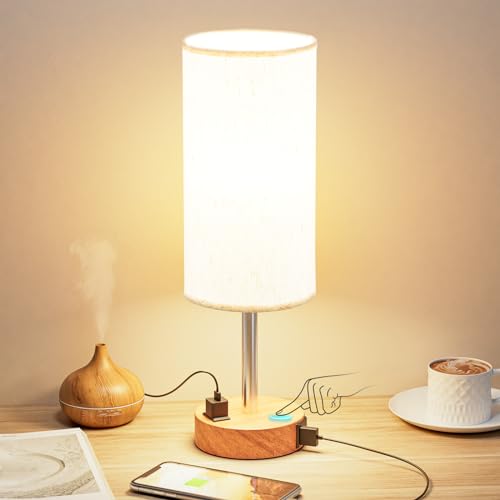
Touch Control Bedside Lamp - This smooth dimmable touch control table lamp featured with touch-sensitive sensor, to make quick changes to 3 different level brightness (Low, Medium, High), and soften the atmosphere quickly. Simply a touch or a pat on the bedside lamps' base or lamps' supporting pole when you want the nightstand lamp On/Off, brighter/dimmer. (used as a night lamp at low brightness, medium/high is enough to meet your needs for reading/working)
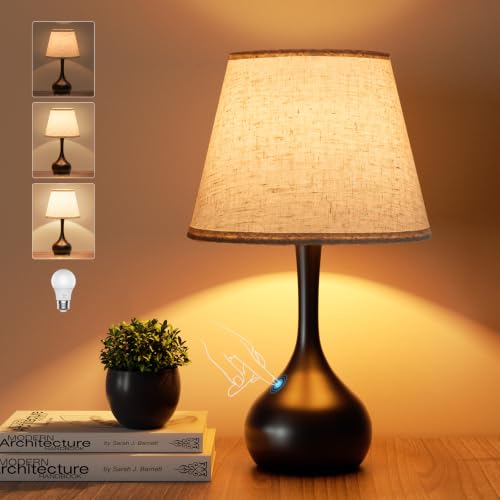
【Touch Control Dimmable Beside Lamp】The entire metal base of this dimmable touch lamp is touch sensitive, touch any position to quickly change 3 levels of brightness (low, medium, high) to meet your different needs. You can use it as a cute night light at low brightness, ambient lighting at medium brightness, and high brightness for working and reading lamp.This lamp is powered by a corded electric source and is not compatible with smart plugs or smart bulbs
Accent Lighting
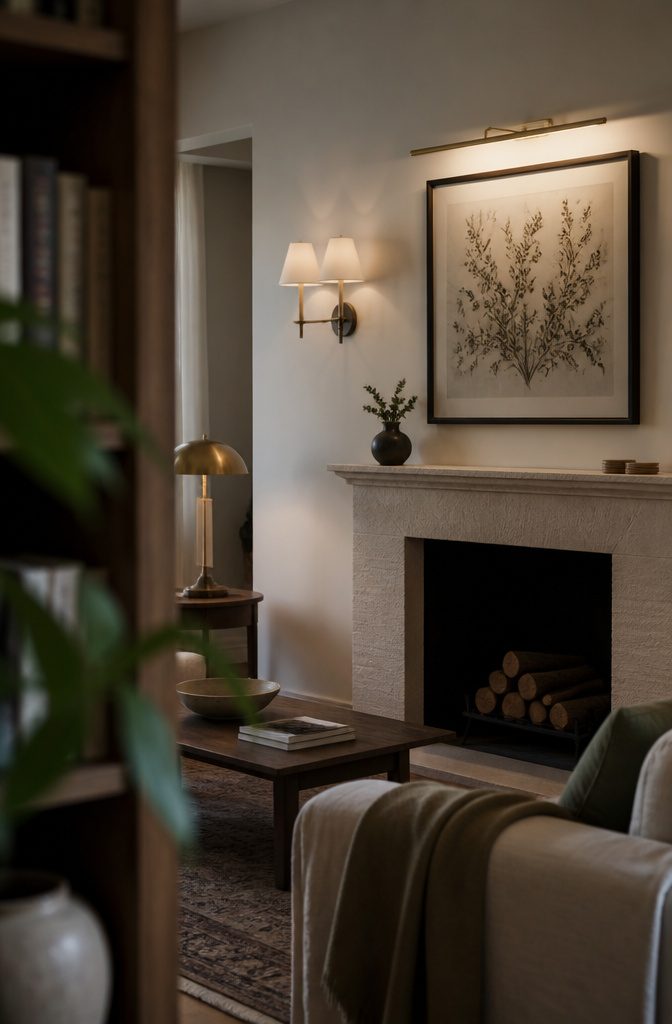
Accent light points the eye at something: a framed piece, a mantel, a wall worth noticing.
Picture lights and sconces do that job. The McGee & Co.
Dean 18″ Picture Light suits art, while the Visual Comfort Dorchester Double Backplate Swing Arm and Flemish Double Sconce add light at the wall. For shaded sconces, use 2,700K bulbs at 450–800 lumens.
Finish is where these pieces either tie the room together or look ordered from one catalog page.
Pick 2 main metals for each room. Let each carry about 60/40 or 70/30. Repeat finishes across sightlines. Don’t go matchy-matchy. A fully matched set reads builder-basic.
A mix reads as collected, so if the picture light is brass, repeat brass in a lamp across the room.
Recommended Products

Modern Fully Dimmable(0-100%) Floor Lamp & Convenient Rotary Switch: Compared with traditional Non-dimmable floor lamps for living room, our floor lamp is fully Stepless Dimmable, which suitable for all the room style and using situation ,find the perfect light for your needs. This standing lamp is very easy to turn on and off. Just simply twist it and then you can adjust the arc floor lamps brightness what you want. 4.1FT rotary switch, which is very convenient for you to adjust it.

【Sleek Design for Modern Spaces】This modern floor lamp features a matte metal base and linen fabric shade, making it stable and long-lasting. Its understated elegance complements modern, Nordic, or industrial decor styles, while the compact footprint fits effortlessly into corners, bedrooms, or living rooms.

80% Energy Savings – 3000LM Super Bright:The JOOFO LED floor lamp consumes 80% less energy than traditional incandescent bulbs while delivering powerful 3000LM brightness (30W). Equivalent to a 150W incandescent, it provides exceptional illumination for your living room, bedroom, or office while drastically reducing electricity bills. With 30,000+ hours lifespan – over 10 years of nightly use.
Bulbs at 2,700K–3,000K
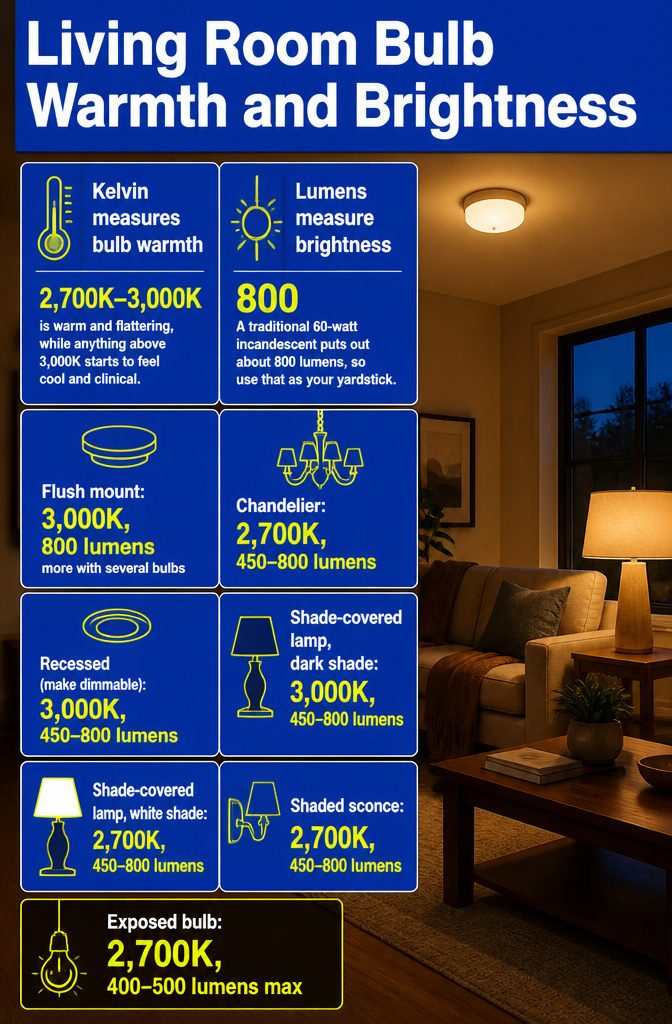
Kelvin (K) measures the warmth of a bulb, and lumens measure brightness.
2,700K–3,000K is warm and flattering, while anything above 3,000K starts to feel cool and clinical. A traditional 60-watt incandescent puts out about 800 lumens, so use that as your yardstick.
| Fixture | Kelvin | Lumens |
|---|---|---|
| Flush mount | 3,000K | 800, more with several bulbs |
| Chandelier | 2,700K | 450–800 |
| Recessed (make dimmable) | 3,000K | 450–800 |
| Shade-covered lamp, dark shade | 3,000K | 450–800 |
| Shade-covered lamp, white shade | 2,700K | 450–800 |
| Shaded sconce | 2,700K | 450–800 |
| Exposed bulb | 2,700K | 400–500 max |
Recommended Products

【Bright, Wide & Angle-Adjustable Illumination】350 lumens output with CRI 95+ and a 16-inch light bar delivers bright, fully illuminate your art. Plus, our 290° swivel design allows both up/down and left/right adjustments—aim light exactly where you need it, achieving better display and decoration effects.

[Powerful Rechargeable Battery] This 15.75 inch wireless LED picture light has a built-in 5000mAh rechargeable battery and comes with a USB-C charging cable. In just 4 hours, battery operated picture lights fully charges to provide lasts 7 hours ( highest brightness ) - 30 hours ( lowest brightness ). It's perfect for painting, gallery, home, or wherever you want to brighten up your artwork

Powerful 4800mAh Rechargeable Battery: Say goodbye to battery swaps and messy cords! Built-in 4800mAh battery offers 11 hours of continuous lighting use. EZVALO 16'' wireless LED picture light charges in just 5 hours via USB-C. Use your power bank, phone charger, or laptop – always ready to light up your favorite art.
Renter-Friendly Sconces
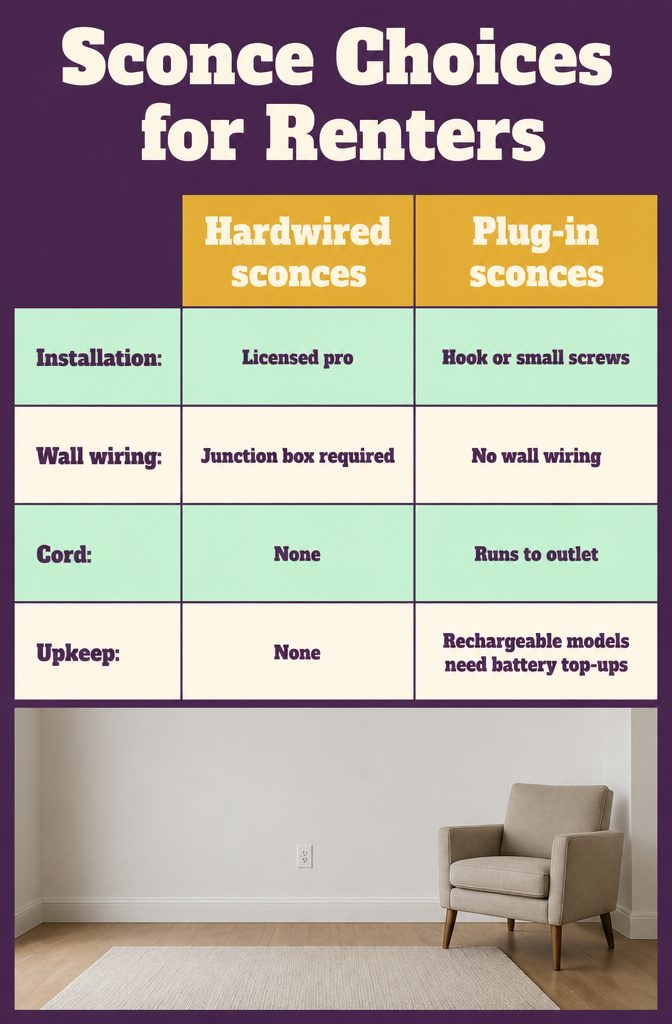
Hardwired sconces need a junction box in the wall at the spot you want them.
If the box isn’t already there, an electrician has to cut into the wall and run wiring, which is a landlord conversation and a bigger bill than most weekend budgets allow.
Even with a box in place, the wiring is a job for a licensed pro.
Plug-in sconces, rechargeable sconces and picture lights give you the same accent layer without touching the wiring. A plug-in sconce hangs on a hook or a couple of small screws, and the cord runs down to an outlet.
Rechargeable models skip the cord entirely, though you’ll top up the battery now and then. For a renter on a weekend and a small budget, plug-in wins: no cord to charge, nothing behind the wall.
Recommended Products

Wireless & Easy to Install: Depuley wall sconces set of two battery operated with two E26 USB charging led bulb, say goodbye to outlet and wired limitations, only takes 20 min to install. Our sconces wall decor set of 2 will elevate your room with a sleek and modern design. Great for halloween decoration.

[Long Working Hours & Short Charging Hours] Equipped with a 10000mAh Lithium Polymer Battery, our rechargeable battery operated wall lights can continuously work for 30-50 hours at different brightness levels to meet your daily needs. It only takes 5 hours for the light to be fully charged, and the color of the indicator lights in the light arm will indicate whether it's fully charged or not.

INSPIRED DESIGN: Gracefully arching from the wall, the brushed gold metal base of double wall sconce supports a beige fabric shade, blending modern and timeless aesthetics. The sturdy shade diffuses light softly, creating a warm, cozy ambiance ideal for any space
Frequently Asked Questions
Recommended Products

【Design and Style】 This chandelier exudes a captivating blend of elegance and opulence. Its defining feature is the exquisite glass lampshades fashioned in the graceful silhouette of maple leaves. These uniquely shaped glass shades, reminiscent of delicate maple foliage, lend a distinctive and sophisticated charm to the entire piece.

【3 Color Temperature】Our modern pendant light is equipped with a quick-switch mechanism, allowing you to effortlessly toggle between three color temperatures (warm white/cool white/daylight). Whether you need cozy ambient lighting in the bedroom, bright illumination for reading in the living room, or vibrant daylight for family dinners in the dining area, this fixture adapts to your every need.

Modern Crystal Chandelier: Quality black metal frame with top grade K9 smoke crystals could create a superior and classy atmosphere in your area(Note: Free replacement if parts broken, please contact seller for help.)
How many light sources should a living room have?
Plan on at least 2–3 sources, with one each from the ambient, task and accent layers if you can.
Large living rooms can hold 10 or more without looking overdone. More sources let you shift the mood by turning lamps on and off instead of relying on one overhead light.
What light bulb should I get for a living room?
Choose a warm bulb between 2,700K and 3,000K at 450–800 lumens for most fixtures. Use 3,000K under a dark lamp shade and 2,700K under a white shade or in a shaded sconce.
Keep exposed bulbs to 400–500 lumens at most. Kelvin measures warmth and lumens measure brightness, and anything above 3,000K starts to look cool and clinical.
Can I mix metal finishes in a living room?
Yes, and a mix looks better than a fully matched set.
Pick 2 main metals and split them roughly 60/40 or 70/30. Then repeat each one across sightlines, such as a brass picture light echoed by a brass lamp across the room.