
Costs run from a $10 matelassé coverlet over a sofa to built-in shelves, and your room’s limits pick the entry: a small or beamed room needs a low loveseat, hard floors need a rug, and a rental skips carpentry for wall shelves and peg rails.
Judge paint last: White Dove looks yellow beside primer until the walls are done.
1. Layered Textiles and Pattern
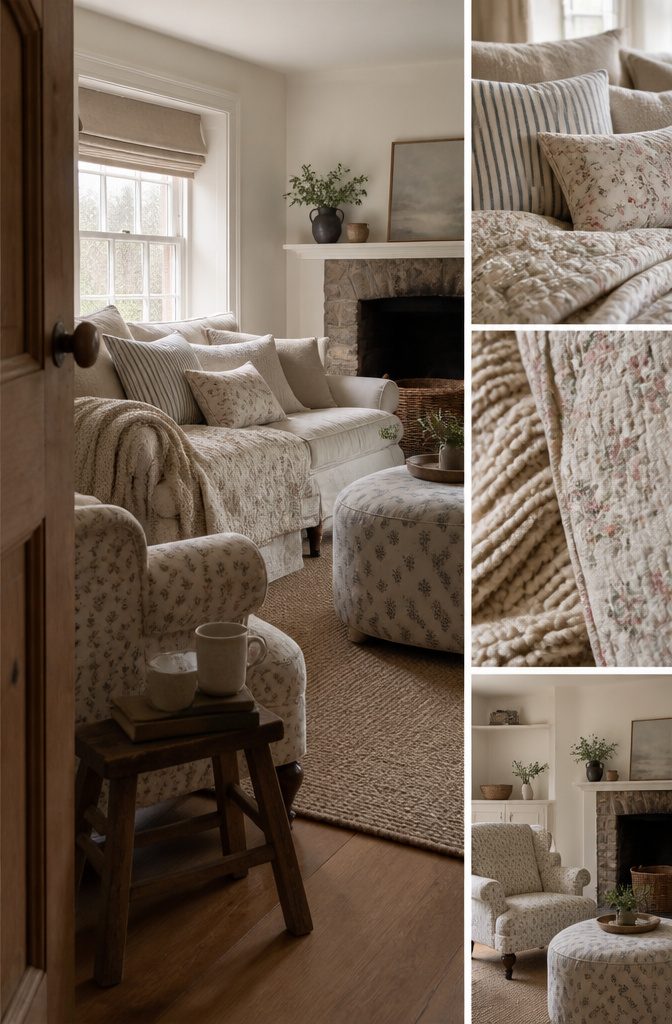
Pick a few patterns at different scales, such as a ticking stripe on pillows, a small floral on a quilt, and a block print on a chair. Large florals can overwhelm a room, so choose delicate ones.
In a mostly neutral room, texture keeps the space from going flat. Mix linen pillows, a matelassé or wool throw, a chunky knit draped over the sofa arm, and a wicker basket near the hearth.
Layer the pieces so they overlap: throws over chair backs, pillows piled on the sofa, an ottoman fabric that meets the rug. A stack of books within reach of a chair, with room for a mug, finishes the look.
Recommended Products
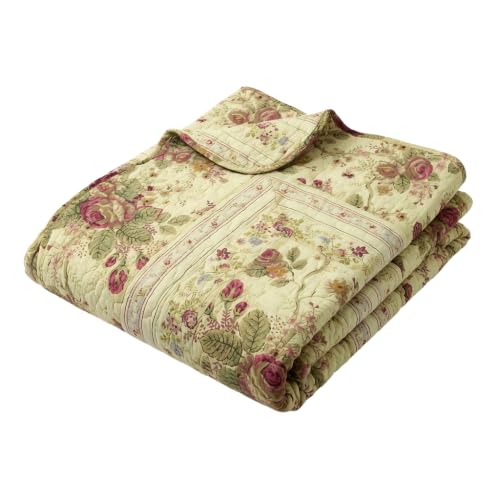
Surface texture and warm colors refine the look of this updated classic quilted throw

Stylish and Soft:The blanket is very soft silky lightweight, even and fine pile, rich and full, breathable, not easy to fade and pilling, with excellent quality and long-lasting durability,bringing a warm and cozy home atmosphere. It's perfect for all seasons, kids and adults will love it.

100% Cotton face, back and fill
2. Soft Palette, Selective Color
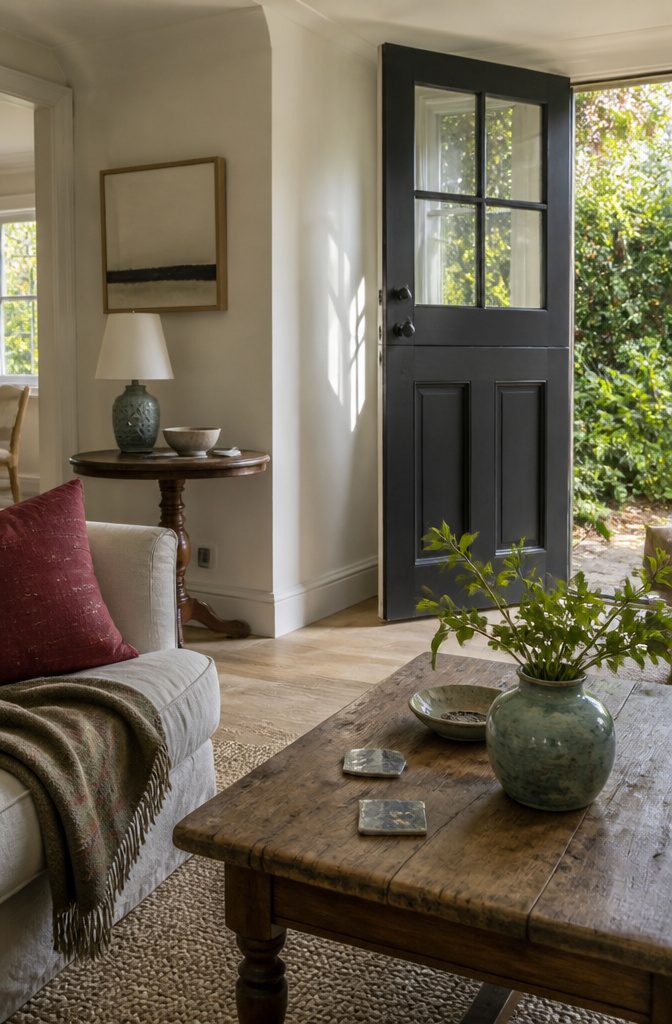
Cream, seashell and ivory walls bounce light around a dark room and make small dimensions feel larger. White Dove by Benjamin Moore is a creamy white that works well, and Swiss Coffee by Behr is another soft option.
While the paint is wet, White Dove can look yellow next to white primer, so judge the color only after the whole room is covered.
Pale walls need a few hits of contrast.
Red, blue, green and black all work, and cottage rooms range from neutral to full primary-color schemes. The cheapest accent is the front door.
Tricorn Black by Sherwin Williams makes a tired door look sharp against light walls and trim. Cottage style isn’t all calm, so let one or two colors be loud.
Recommended Products

Unique Waffle Quilted Design: Crafted with a classic waffle texture elevated by a distinctive diamond quilting pattern, this quilt set delivers a dimensional, airy, and elegantly refined look that adds subtle visual interest to any bedroom. The thoughtful quilting also keeps the fill securely in place to prevent shifting or clumping, ensuring long-lasting comfort throughout your bed.

3pc Full/Queen Coverlet Bedspread Set

BED COVERAGE - QUEEN size BEDSPREAD : 102" W x 118"L. BEDSPREAD coverage covers the entire STANDARD SIZE QUEEN MATTRESS (60" width) and hang down with approximately 21" DROP on each side from the top of the bed
3. Vintage and Personal Pieces
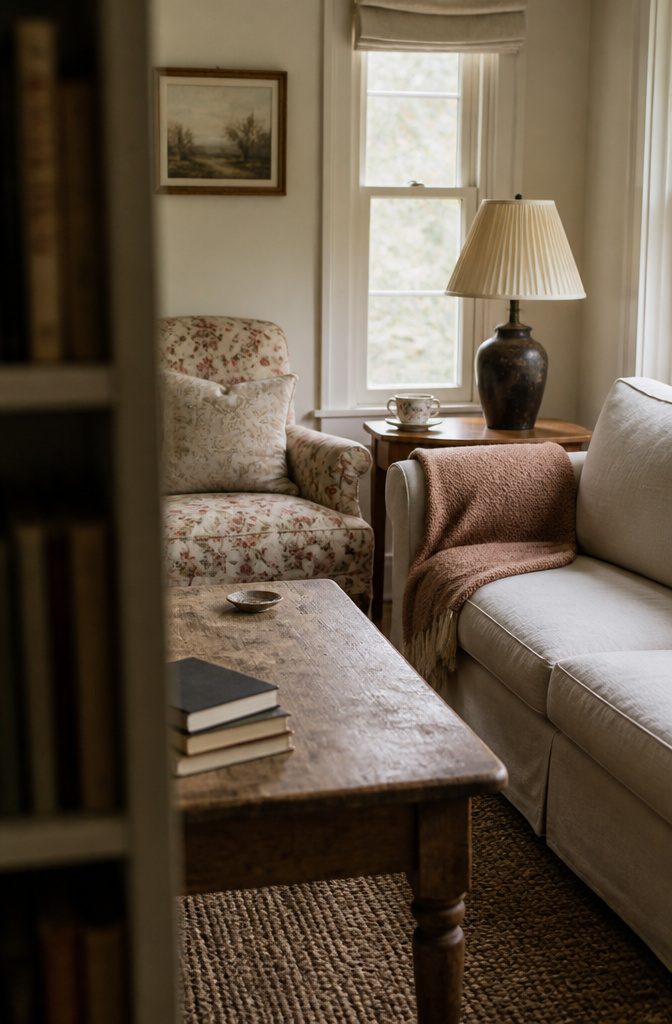
A room furnished from one store looks like a showroom, and cottage style is the opposite. Mix eras on purpose: an old farm table beside a newer sofa, or a grandparent’s lamp next to a secondhand armchair.
Pieces with patina do more for the room than anything matched, so keep the faded chintz pillow and the lamp with a few scratches. Those marks are the character, and fixing them removes it.
Put objects with a story where you sit, not in a box: an inherited teacup on the side table, a framed photo, a worn blanket over the sofa arm.
None of this has to happen in one weekend. Add a piece when you find it, and the room will look collected because it was.
Recommended Products

Substantial Material: Retro accent decorative pillow cover is made of thick chenille and the back features solid-color velvet, feeling soft and durable. The premium fabric withstands regular use, ensuring long-lasting comfort and resisting fading to maintain a polished finish
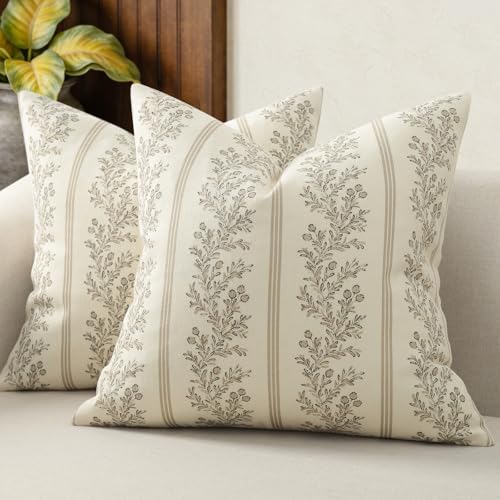
1.【Eco-Friendly Digital Printing】 Crafted with eco-conscious digital printing and soft organic cotton, these decorative pillow covers are as sustainable as they are stunning. Thanks to excellent color fastness, the vibrant patterns resist fading and stay fresh-looking even after many washes. Gentle on the skin and free from irritation — perfect for everyday comfort.

Premium Skin-Friendly Fabric: Crafted from soft, breathable, skin-friendly materials, these floral pillow covers resist fading and wrinkles, staying vibrant and smooth even after repeated washes for lasting comfort.
4. Architectural Details
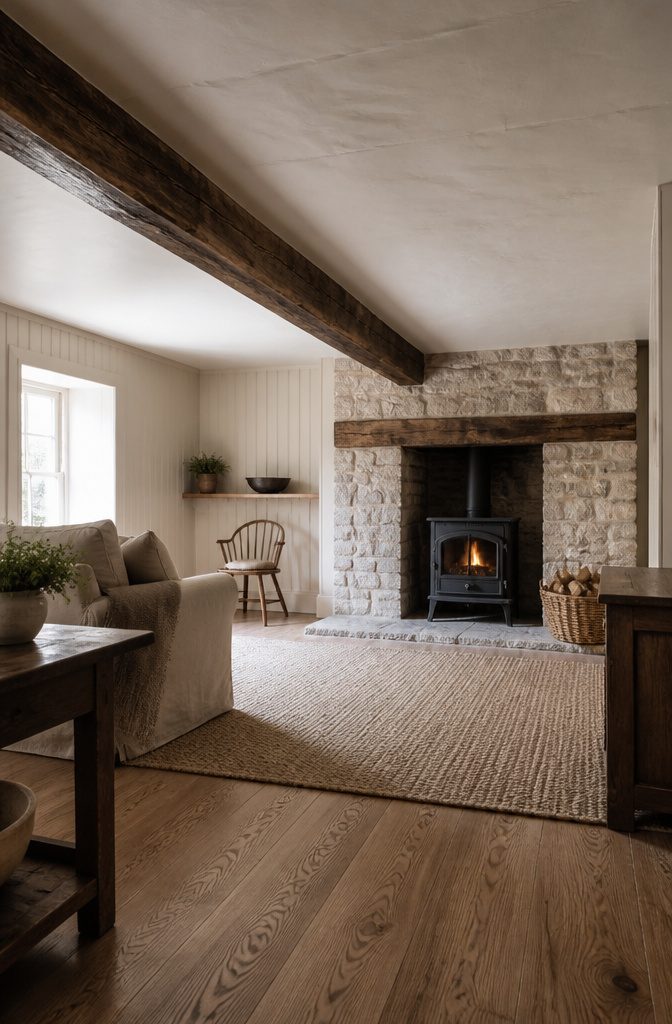
Exposed beams, stone walls and a brick or stone fireplace give a cottage room its character.
Paint the walls cream, seashell or ivory so those features stand out and the light bounces around a small space. For the walls themselves, choose from beadboard, board and batten, picture molding, shiplap or wallpaper.
In an older house, molding is rarely straight, but a bead of caulk along the gaps at the wall and ceiling makes the lines read as flat and finished.
Peeling trim needs scraping, sanding, priming and then paint, in that order.
An open fire sends most of its heat up the chimney, so a cast-iron stove set into the fireplace gives you the flames and more warmth in the room.
Recommended Products

Premium Chenille Softness: Made from high-quality chenille yarn, providing a soft, non-scratchy warm feel for cuddling up on cold nights, serving as your cozy companion for any season

LUXURIOUSLY SOFT CREAM THROW BLANKET - Crafted from premium Chenille yarn, Negwoo chunky knit blanket is handwoven to ensure it won't irritate your skin. The meticulous handcrafted knitting enhances yarn density, providing a warm, velvety touch that envelops you in sheer tenderness. Note: It is both dry-cleanable and machine washable, ensuring convenience and longevity

5. Traditional Seating
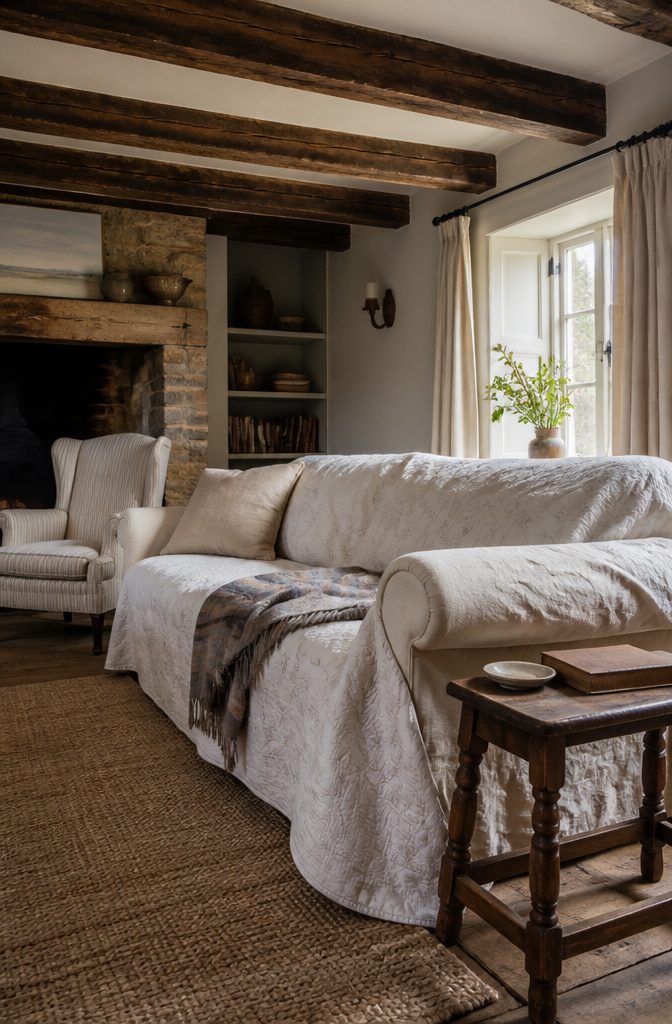
Look for classic, curvy shapes such as a rolled-arm sofa, a Chesterfield, or a high-backed armchair by the fireplace. Upholster them in soft tweed, wool, linen, ticking, or checks.
In a small room or one with heavy beams, choose a loveseat or a low-slung sofa.
The low profile keeps the furniture from competing with the ceiling. A larger room can carry a full-size Chesterfield or deep sofa, ideally with a high-backed armchair beside it to balance the bulk.
To soften a sofa cheaply, buy a dated one from Facebook Marketplace or an estate sale and look past the fabric. A thrifted matelassé coverlet draped and tucked over it works as a slipcover, and one can cost about $10.
Recommended Products
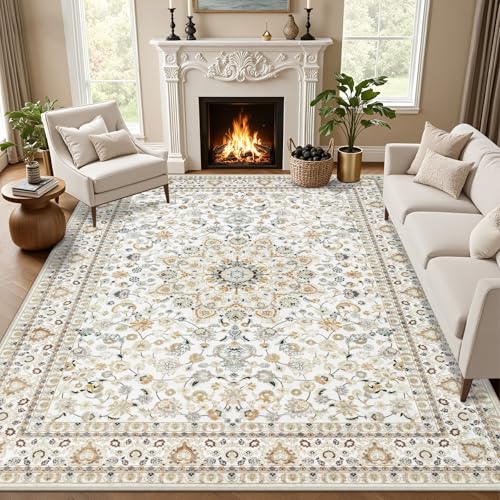
Timeless Classic Design Rug: Featuring an elaborate traditional pattern and harmonious color palette, these 5x7 area rugs bring artistic elegance to the interior. The versatile design works with various decor styles from vintage and bohemian to contemporary, making it suitable for living room, bedrooms, dining room, hallway, kids' playrooms, or home offices. Built to withstand daily use while maintaining its visual appeal, these rugs for living room 5x7 combines durability with timeless beauty

Elegant Floral Accent: PureCozy area rug features delicate floral patterns with a soft vintage look, adding charm and warmth to your indoor space. The printed design blends easily with living rooms, bedrooms, kitchens, dining rooms, offices, nurseries and other home décor styles

Machine Washable & Easy to Clean: The surface features water-repellent performance for simple cleanup when drinks spill accidentally, reducing the chance of liquid soaking deep into fibers. You can wipe spills quickly with a towel, remove local stains via spot cleaning with a damp cloth, or regularly vacuum for daily upkeep. The whole rug supports machine washing for deeper cleaning
6. Florals and Greenery
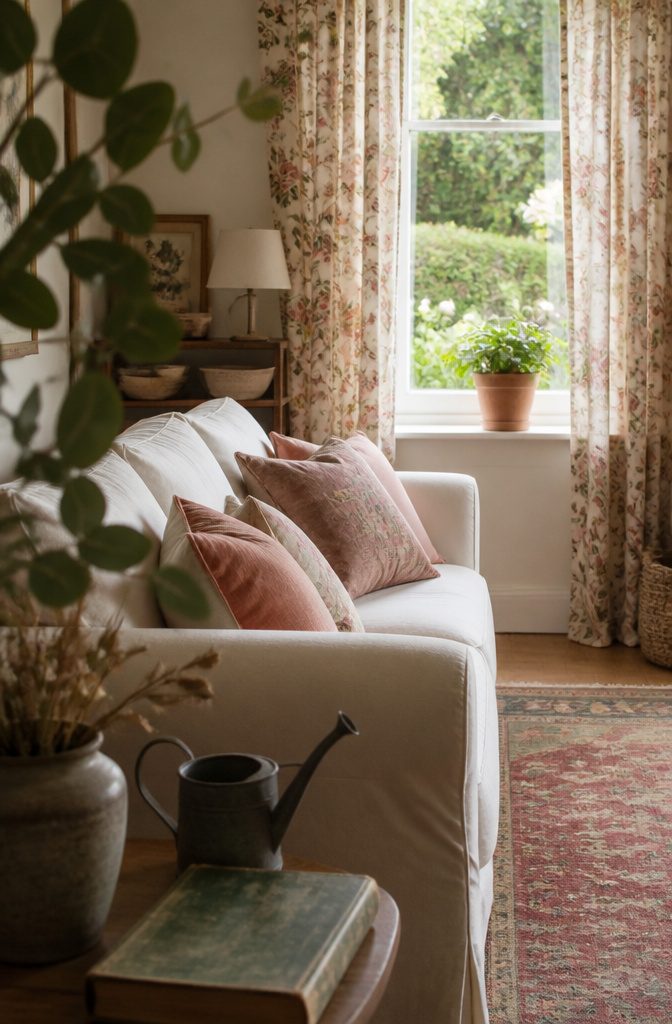
Floral curtains work best next to quiet pieces. A plain cream slipcovered sofa and a muted vintage rug give the pattern room, and pink or coral pillows pick up the warmer tones in the fabric.
For a nature-led option, try woodland prints: forest-print cushions are the gentle start, and fir-pattern curtains or an armchair in a squirrel-and-hedgehog print make a bolder statement.
Botanical prints and floral artwork add the same softness without a single yard of fabric.
For plants, fresh ones need regular care, while faux and dried ones need none.
Eucalyptus stems, olive branches and dried florals stay put all year, so they suit a rental or a busy schedule. Add a few small potted plants only if you will water them.
Recommended Products

100% Cotton Muslin Blanket – Breathable & Ultra Soft Made from premium cotton muslin, this lightweight gauze blanket offers cozy warmth and a soft, breathable feel. The airy, open-weave fabric allows gentle airflow, keeping you comfortable and snug without feeling bulky or stuffy. Perfect for layering on your bed, draping over the couch, or curling up on chilly evenings

Cotton face, back and fill

【Premium Flannel】 Made of 100% polyester microfiber for an ultra-soft, plush feel. The brushing process enhances warmth, reduces static, and provides lasting comfort.
7. Storage That Fits the Room
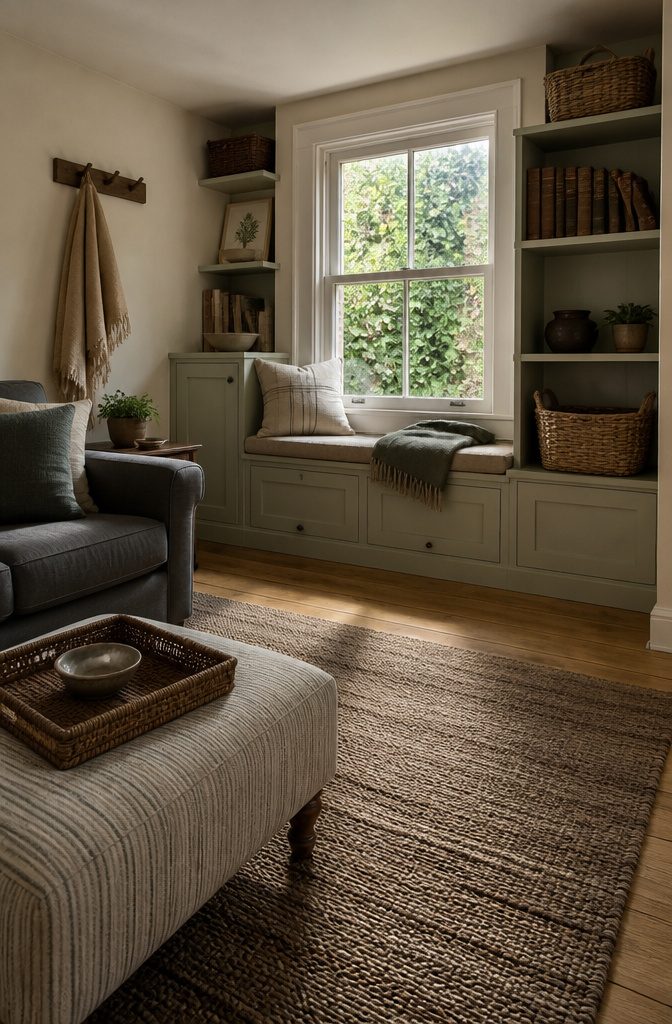
An open Welsh dresser or display cabinet holds plates, antique books and trinkets, and it becomes the focal point of the wall.
Built-in or bespoke shelves let you set the depth yourself. Shelves of varying heights look more charming than a uniform grid, and one slot can hold a framed print.
In a small room, every large piece should earn its space. A window seat with storage underneath or an ottoman with a hidden compartment can swallow remotes and chargers while still giving you somewhere to sit or set a tray.
Renters can skip the carpentry. Wall shelves and wooden peg rails hold baskets, mugs and throws off the floor and leave the room feeling open.
Recommended Products

STYLE - Modern Bohemian cozy bedspread set so you can update your bedroom decor with a charming modern classic boho style with a hint of casual design lifestyle. Solid rich color of sophisticated double sided quilting bohemian pattern complements the lightweight design and luxurious bedding feel. Matching shams mirror the design and complete the stylish luxurious styling on this bedding set. The matching shams of this casual style bedding decor come with solid reverse and overlap closure design

Austin 3-Piece Oversized Bedspread Set Includes: 1 Bedspread, 2 Shams
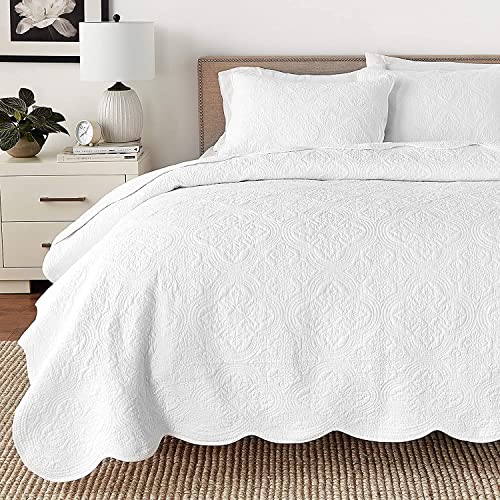
【Oversized Queen – Complete 3-Piece Bedding Set】Includes 1 Quilt (98" W x 92" L) and 2 Standard Shams (20" W x 26" L). Generously oversized to provide enhanced side coverage on Queen beds, including deeper mattresses, creating a clean, tailored, and layered bedroom look.
8. A Rug for Hard Floors
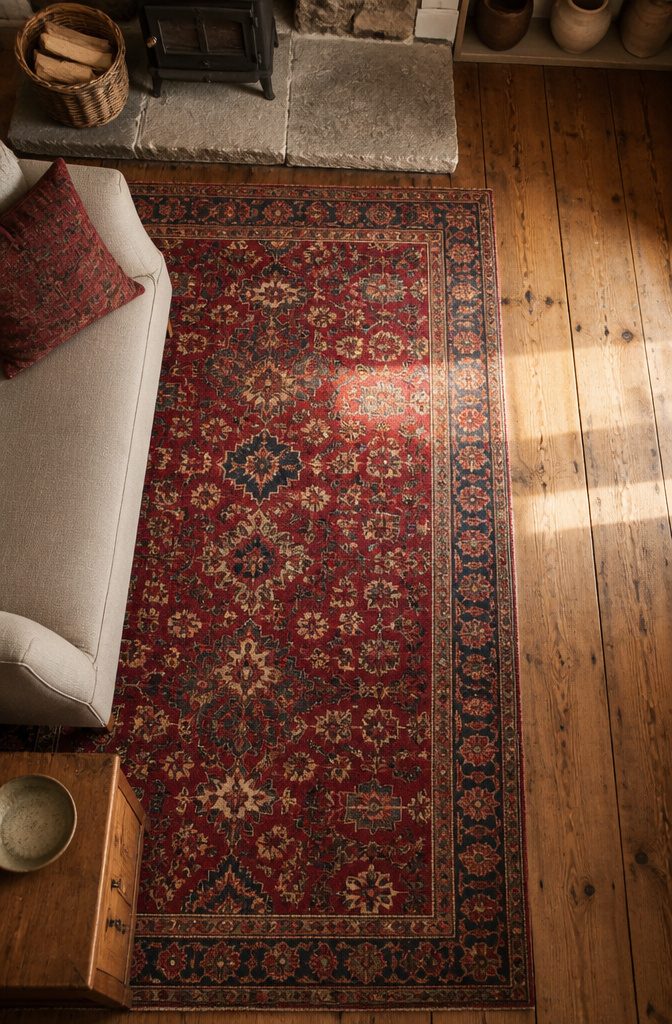
Stone, slate and aged wood are the usual floors in a cottage living room, and none of them is warm underfoot. A rug adds texture and takes the chill off.
Choose rich, comforting tones. A deep red, for example, pairs well with cushions in the same shade.
Go for a detailed pattern over a plain weave. A busy pattern hides wear, so the rug still looks good after daily foot traffic.
Size it so the legs of your heaviest pieces, like a sofa or cabinet, sit on the rug. That keeps them from damaging original floors you may want to restore later.
Recommended Products

CONSTRUCTION & SIZE: Throw measures 50x60" and is made of 100% high quality woven cotton with a 2. 5" decorative fringed finish that won't unravel in wash

Classic Plaid Design: The timeless check pattern is a fashion symbol that transcends eras. No matter how trends change, plaid throw pillow covers can effortlessly blend into your home, lending the space an enduring elegance.

QUALITY MATERIAL: The pillow cover is composed of a soft and comfy corduroy which is a kind of polyester fabric, features a cute and elegant boho stripe design. Our pillow covers are of good workmanship, they are tightly sewn without loose threads.
9. Lighting and Windows
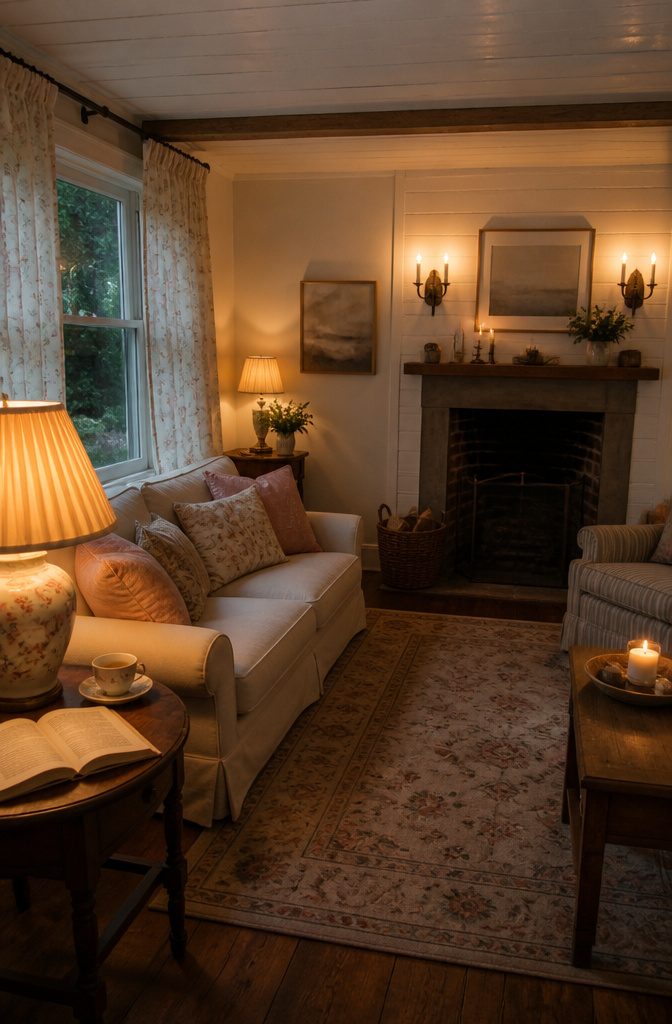
Keep window coverings light enough to filter daylight rather than block it. A patterned but lightweight blind, sheers, or café curtains all let sun in while softening the view, which helps most in a cramped room.
For print, floral curtains work in a cottage when the rest stays plain. Pair them with a cream slipcovered sofa and a muted vintage rug, then pick up the curtains’ warmer tones with pink and coral pillows.
After dark, skip the single overhead fixture.
Spread the light across several low sources: table lamps, wall sconces, and a few candles on the mantel or a side table. Sconces also free up table space.
Recommended Products
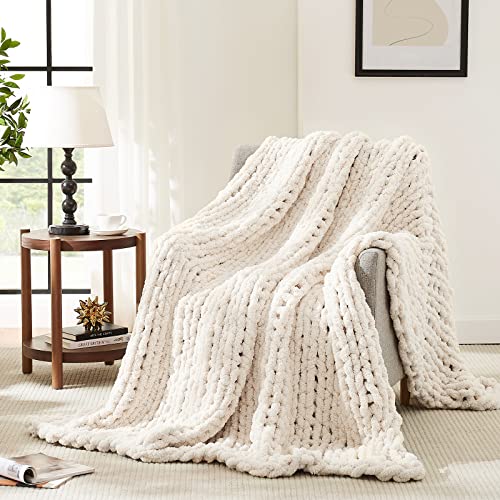
Long-Lasting: Soft chenille throw blanket has been pulled and tested many times to ensure that is not easy to shed, pilling, tear into pieces, or even wear! The handmade cable knit crochet blanket is neatly arranged with small holes, breathable and warm

6 LB OF REAL CHENILLE, NOT A LIGHTWEIGHT LOOKALIKE: This blanket weighs 6 pounds, measures 50x60 inches and is about 1 inch thick, so you feel the difference the moment you pick it up. Reviewers keep using the same word for it, heavy, and they mean it as a compliment. Thin chunky knits drape like a net and slide off the couch. This dense cable knit weave has body, stays where you put it and settles over you with real weight.

Holey Chunky Knit Blanket: Our chunky throw blanket is 100% hand knit with cute holes, the special holey feature and classic pattern make this plush blanket breathable and a great art décor throw blanket for couch, bed, sofa and living room, bringing you warmth without overheating
10. Seating Around a Focal Point
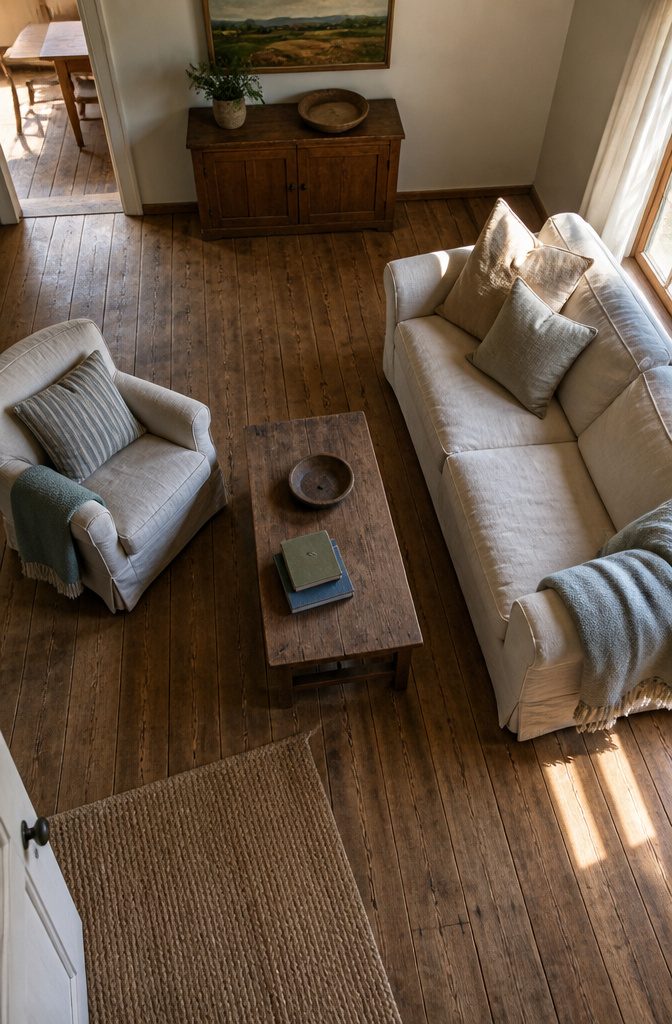
Sofas lined up on facing walls can make a narrow room feel like a doctor’s office. The fix is giving the seating one shared point to face:
Angling your seating toward a shared focal point – a fireplace, table or view – relaxes the geometry and makes the room feel more conversational.
In a long, thin room, angle the sofa and chairs inward toward one point instead of running them parallel to the walls.
Keep the sofa along one side and set a chair across from it, turned toward the same spot. Without a fireplace, use a coffee table or the window as the focal point.
Recommended Products

[Soft & Cozy Feel] Crafted from low-pile faux wool, this 8x10 floral blanket rug adds softness underfoot. It's perfect for busy spots like your living room or beside under bed, giving a cozy, non-bulky comfort that's easy to live with

Elegant Floral Rug: This 8x10 area rugs vintage-inspired botanical rug blends rich dark greens, vibrant and delicate floral complements any decor style, from vintage and bohemian to farmhouse and modern. Perfect rugs for living room, bedrooms, dining room rugs for under table, entryways, kids' playrooms, or home offices, it adds warmth and charm to any space. Both durable and stylish, it withstands high-traffic areas while maintaining a cozy, inviting appeal

Soft Designed: This CHAMPLANT area rugs has a trendy faded style and a unique floral pattern, vintage tones blend perfectly with your home. This rug is made of high-quality faux wool fibers; Easy on the feet-soft as cotton balls; stain-resistant and non-shedding
11. Double-Duty Furniture
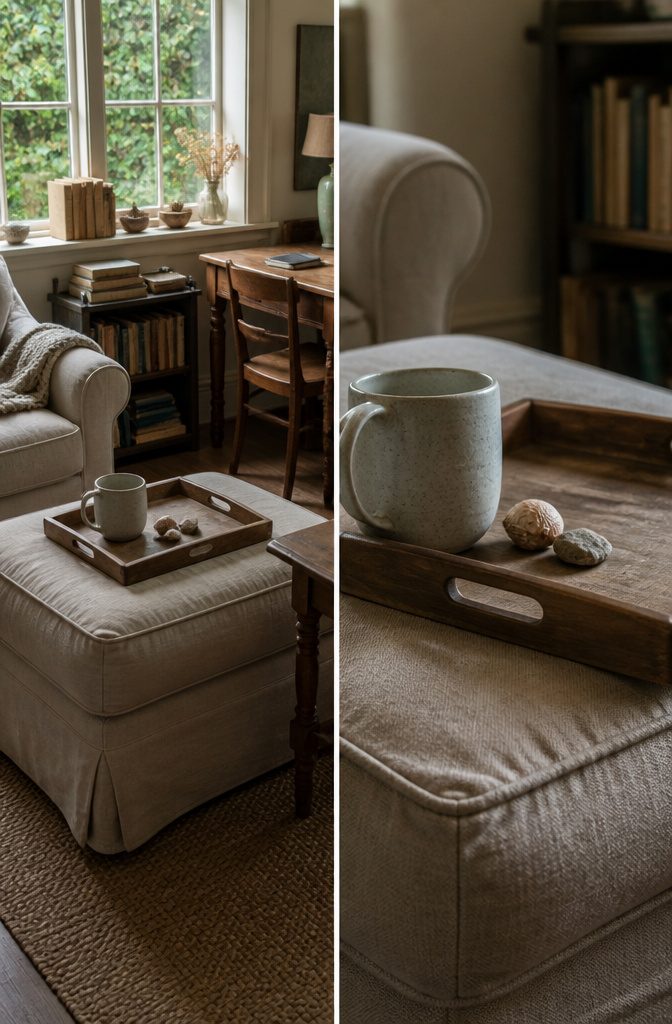
A cushioned ottoman works as a coffee table and hides remotes, phone chargers and other clutter inside.
A soft top means a mug or glass won’t sit steady on it. Add a tray and you get a flat, hard surface, plus a spot to display a few small treasures while everything stays contained.
Other pieces earn their space too. A vintage or antique table makes a good desk for a tiny home office, since older tables often have smaller proportions than new ones.
A windowsill can hold books and keepsakes like a shelf, and a nearby bookcase adds storage without crowding the floor.
12. One Large Artwork
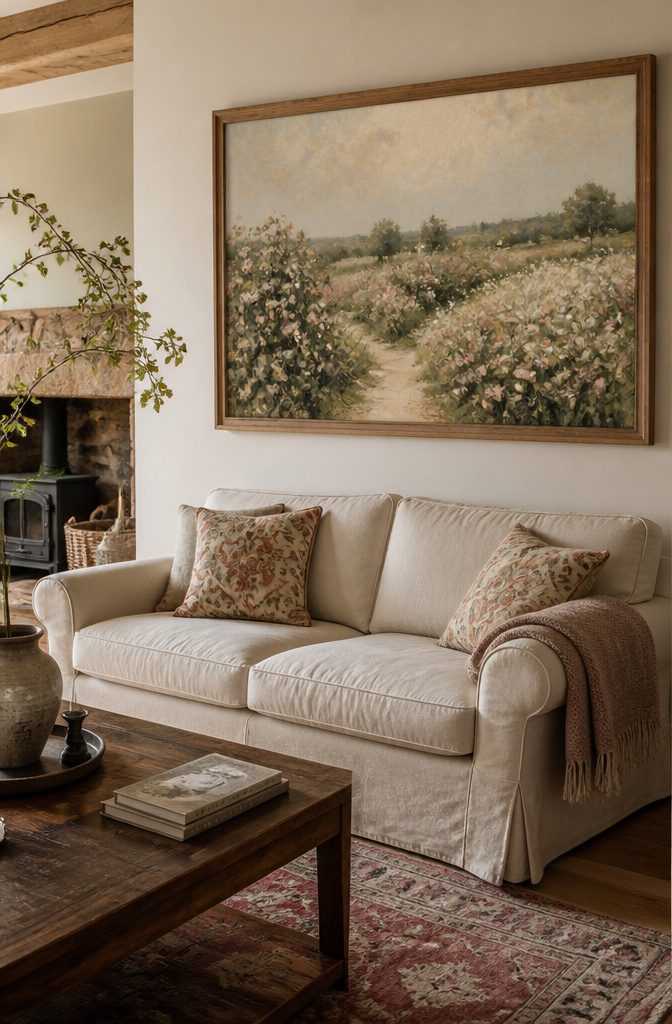
One large piece does what a cluster of small frames tends to undo.
Many little frames add visual noise to a small cottage room, and each one competes with the florals, plaids, and vintage finds already there. A single big piece brings color and impact while the wall stays calm.
Hang it above the sofa or the mantel, where the eye already lands. Center it over the furniture and let it span most of the sofa’s width, so it looks like part of the arrangement instead of floating.
Botanical prints and landscapes suit the style best: a meadow, a garden path, a loose floral painting.
Soft, painterly work in a plain wood frame keeps the room relaxed. Skip glossy, graphic pieces, which fight the lived-in feel.
13. One Contained Vignette
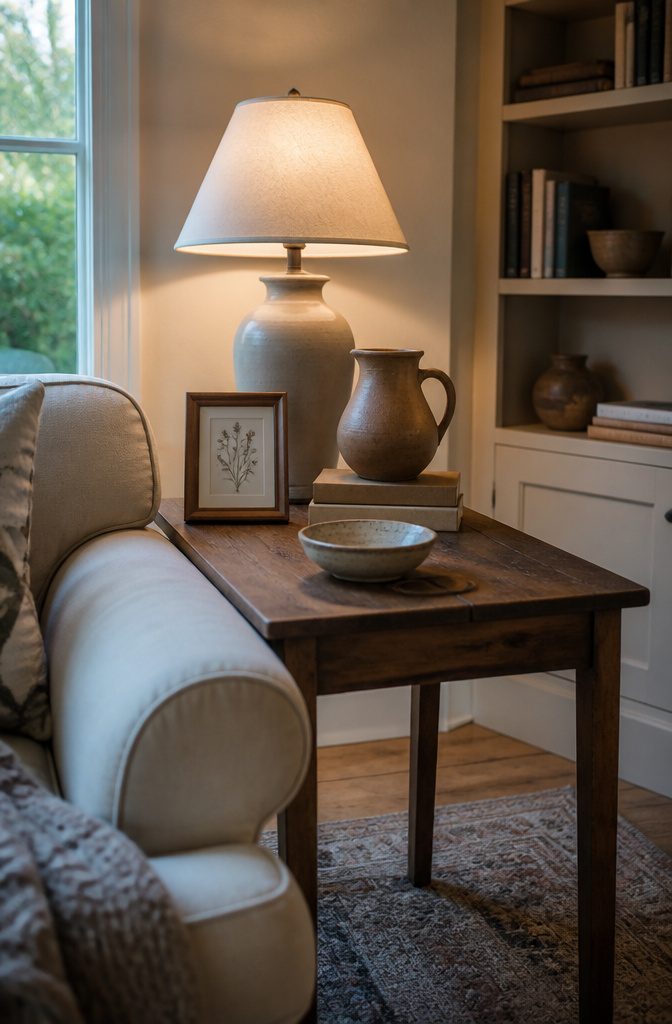
Pick one spot, such as a shelf, a side table or a corner, and put your decorative objects there instead of scattering them around the room.
Keeping the display to one spot contains the visual energy, so the rest of the room stays calm. This works even in a small living room.
Start with the tallest piece at the back: a lamp, a vase of branches, or a framed print leaning on the wall.
Add a medium piece, like a pitcher or a stack of books, then set something low in front, like a small bowl or candle.
Varied heights move the eye up and down instead of straight across. Groups of 3 or 5 usually look looser than pairs, and a little bare surface around them keeps the grouping from looking crowded.
14. A Seasonal Mantel
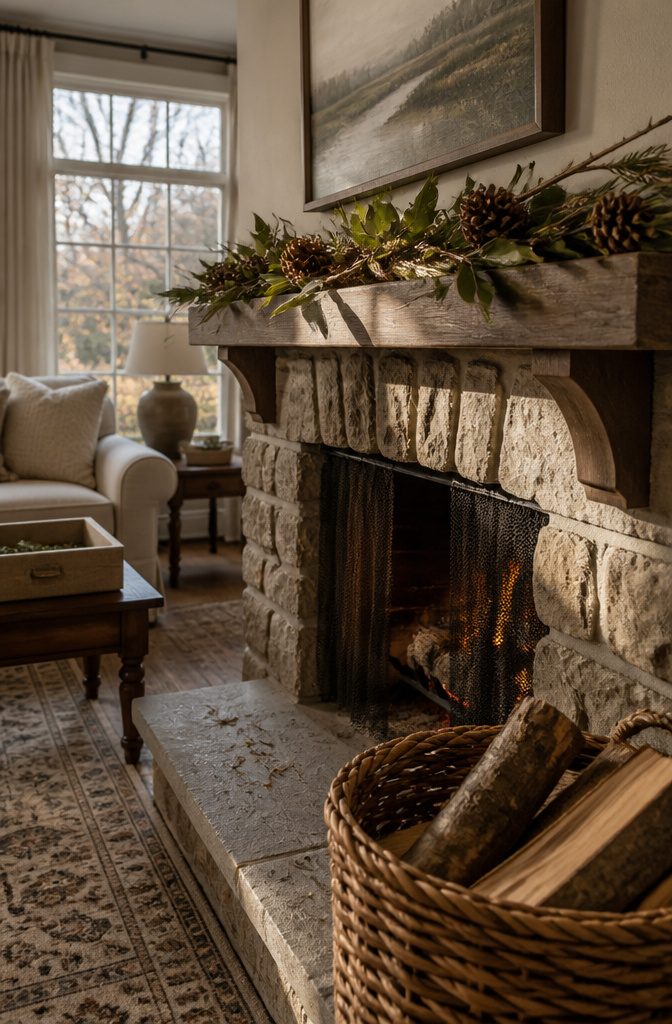
Let the mantel be the one part of the room that changes, and leave everything else alone. The sofa, rug, and art stay put, so the room looks finished in every season while the mantel does the seasonal work.
In fall and winter, lay greenery along the shelf and add pinecones, a few branches, or other woodland pieces.
In spring, swap those for cut stems in a jar or a couple of small potted plants. Summer can be as plain as a bowl of shells or a bundle of dried grasses.
Costs stay low if you gather most of it yourself.
Pinecones and fallen branches are free, and greenery can be clipped from a yard. Keep one box of mantel pieces so each swap is a quick trade, not a shopping trip.
Shop Secondhand on a Budget
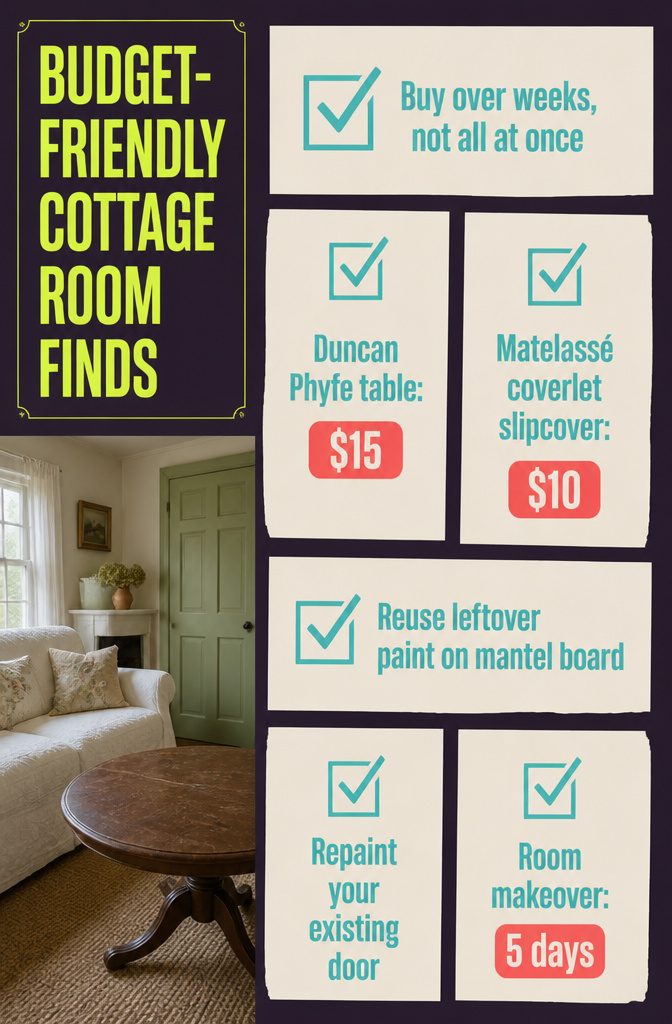
Cottage rooms look collected because they were, so spread the buying out.
- Decide what you can afford first, then buy over weeks instead of all at once.
- Check thrift stores, estate sales, and Facebook Marketplace. An antique Duncan Phyfe drum table sold for $15 because the listing called it "English style."
- Look past dated upholstery. A thrifted matelassé coverlet makes a sofa slipcover for $10.
- Use leftover paint. A scrap board painted to match the door and nailed behind a mantel gives it more presence.
- Repaint the door you have instead of buying a new one.
Stacking these moves, one country cottage living room makeover took 5 days.
Frequently Asked Questions
How do I make my living room look like a cottage?
Start with cream, seashell or ivory walls, then fill the room with furniture from different eras, layered textiles in a few pattern scales, and light from several low lamps instead of one overhead fixture.
Add one or two loud colors, such as a black front door against pale trim. Spread your purchases over several weeks, and use thrift stores, estate sales and Facebook Marketplace for the older pieces.
What do you put on cottage walls?
Begin with a wall treatment such as beadboard, board and batten, picture molding, shiplap or wallpaper.
After that, add one large botanical print or landscape, wall sconces, vintage mirrors, open shelves or wooden peg rails. Renters can skip the carpentry and rely on shelves and peg rails, which hold baskets, mugs and throws off the floor.