
Modern beds range from low platform and floating frames to upholstered, canopy and Murphy styles, and each one costs you something.
A canopy dominates the room, a Murphy bed has to be folded up every day, and a sleeper’s mattress matters more than any frame.
Platform Bed
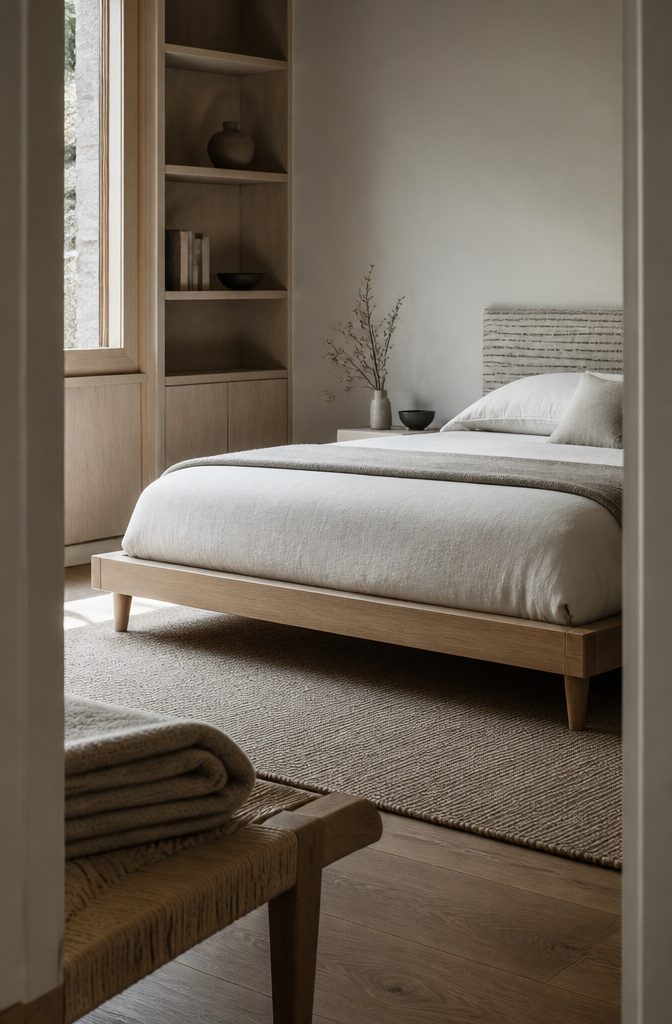
A platform bed holds the mattress directly, so you skip the box spring and the frame sits close to the floor. The low profile and clean lines suit a minimalist bedroom, and the frame looks sturdy without looking bulky.
The flatbed is the plainest version: no extras around it, no ornate headboard. A plain frame leaves comfort to the mattress, so put your budget into the mattress first and the frame second.
For a Scandinavian look, combine natural wood, neutral colors, tapered legs and a simple patterned headboard.
That mix keeps a bedroom calm and clutter-free. It also works as a quiet backdrop if you like to swap bedding with the seasons.
Floating Bed
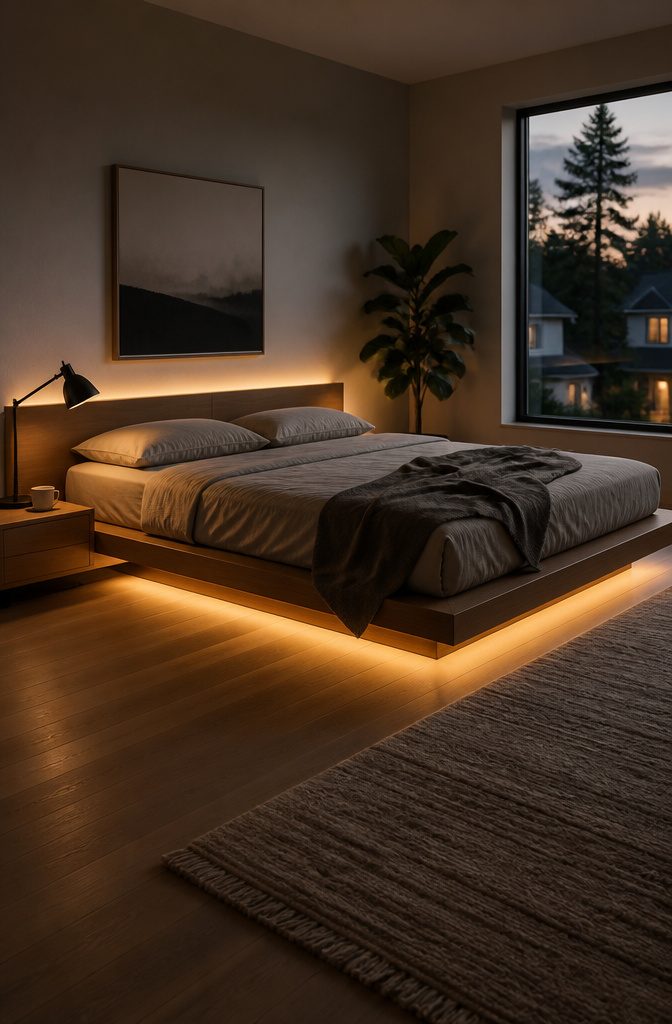
A floating bed hides its support, so the frame seems to hang above the floor. The concealed base creates the illusion: with no visible legs or bulky skirt, the bed looks lightweight and the room feels more spacious.
LED strips under the frame strengthen the effect.
Light spreading across the floor makes the gap read as open space, and the bed appears to hover. Pick a strip with adjustable color so you can set it for the mood you want.
Lighting also works at the headboard.
LED strips behind or within it give soft ambient backlighting, and built-in reading lights cover the practical side. If you only add one, make it the under-bed glow, since that is what sells the floating look.
Upholstered Bed
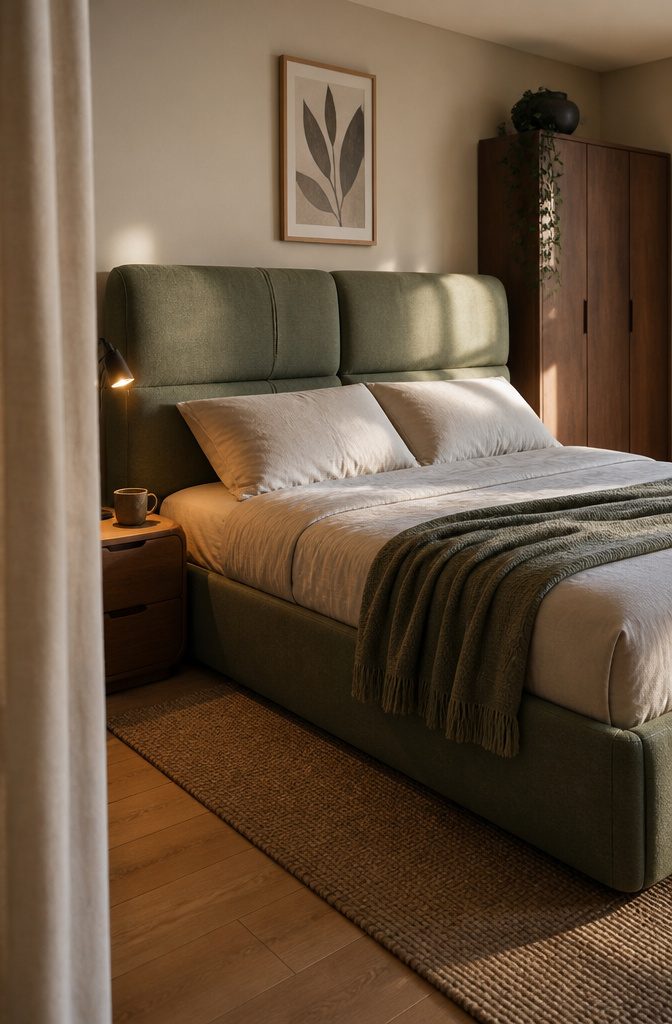
An upholstered bed pairs a padded fabric headboard with optional cushioning on the sides or at the footboard, so you have something soft to lean on while you read or drink coffee.
You choose the fabric and the color, which lets the bed match the room’s palette. Leatherette is the other covering to consider, and it gives the headboard a cozy, inviting feel.
DesignCafe states the appeal of this style plainly:
Your bed must be luxurious. Nothing more and nothing less.
The headboard is the focal point of the bedroom, so a plush, padded one works as a visual statement as well as a place to rest your back.
Classic and Sleigh Beds
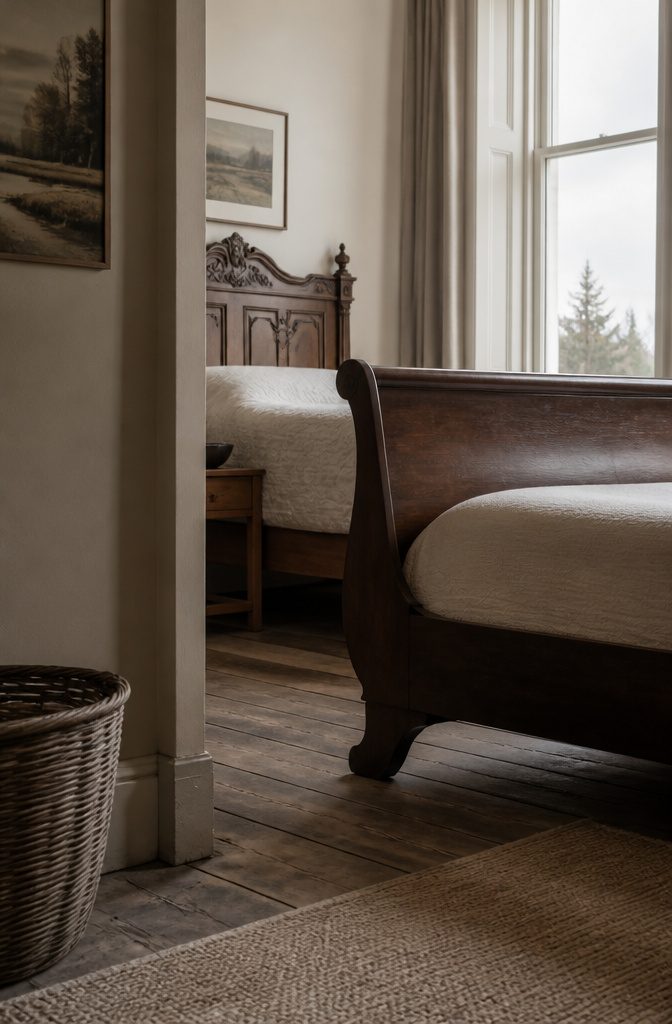
A carved antique bed puts handcrafted wood and intricate detail at the center of the room, and the ornament never dates.
The silhouette is busy by design, so treat the bed as the only statement piece. Keep the bedding and nightstands plain and let the carving do the work.
A sleigh bed is the easier fit for a modern bedroom. Its curved headboard and footboard give you an old-world shape without heavy carving, and the frame is durable enough to anchor the room.
The footboard does take up space at the foot of the bed, so measure before you commit if the room is small.
Rattan and Wicker Beds
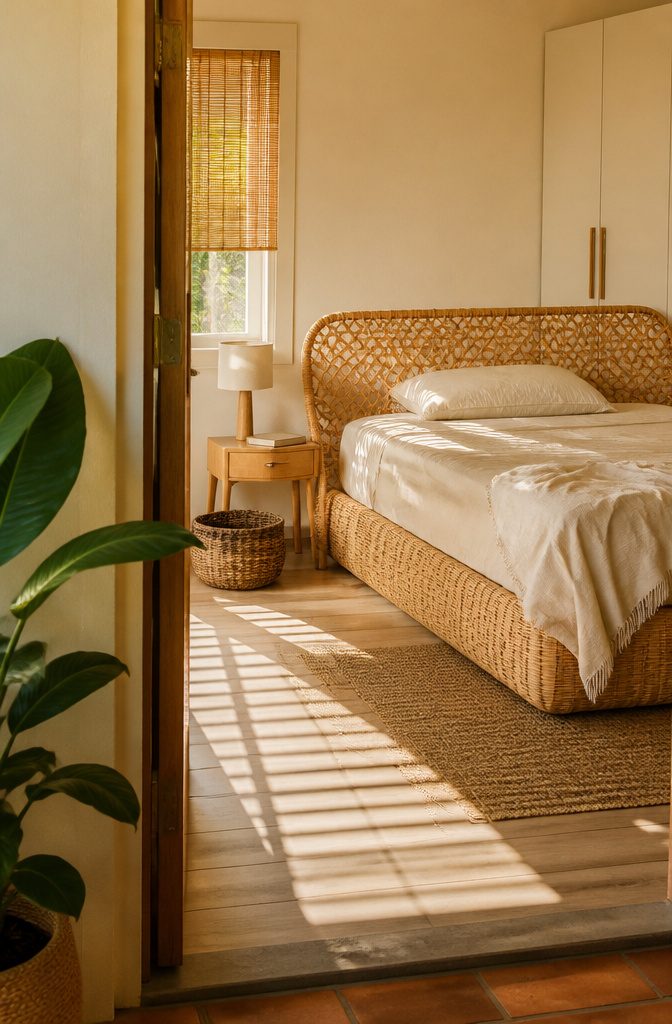
Rattan is light enough to bend into curves, so its headboards often carry intricate patterns, and the overall look is relaxed and tropical.
In a small bedroom, pick a newer frame with hydraulic storage. You lift the mattress base and keep essentials underneath, which saves you a dresser.
Wicker is the more flexible of the two. Its simple criss-cross weave and gently curved edges fit boho chic, classical, and modern rooms alike.
Pair a wicker bed with minimalist modern tables and wardrobes so the weave is the one textured piece in the room. Heavily patterned bedding tends to fight it, so keep the linens plain.
Metal and Industrial Beds
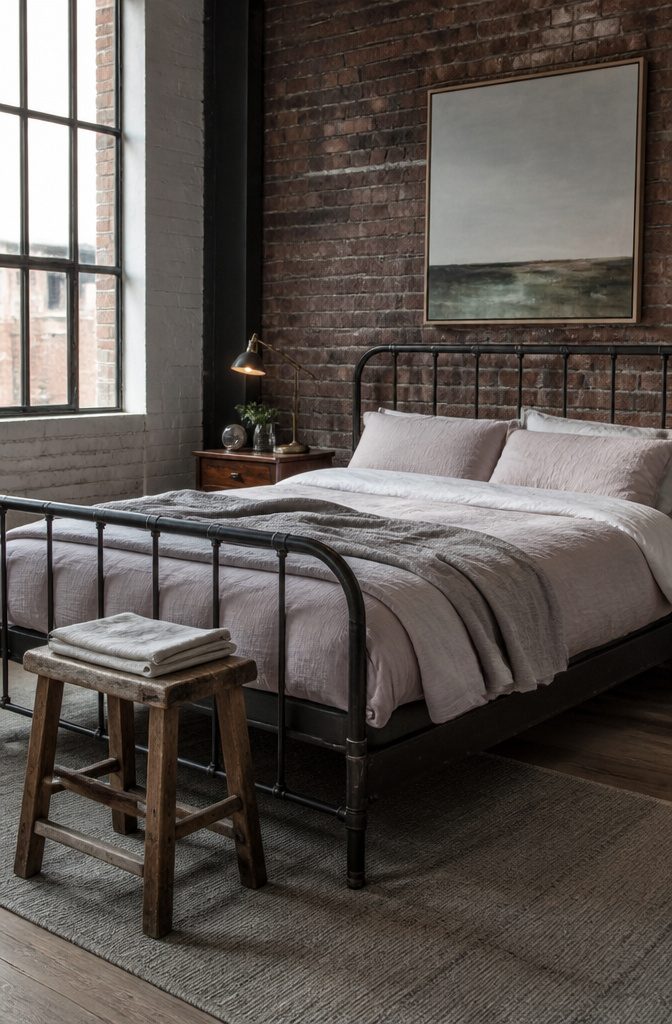
An industrial bed leaves the metal frame and exposed hardware in plain view, and the raw, unfinished look is the appeal.
It is not a mainstream choice, which is why it stands out in a modern bedroom. The sleek lines and durability make it a practical pick as well.
For a frame that won’t go out of style, choose cast iron or crystal metal. Both add texture, character and a vintage feel.
Bare metal can read cold, so soften it with pastel throws, sheets and pillows. Against a rugged frame, that pale bedding keeps the room chic instead of harsh.
Canopy Bed
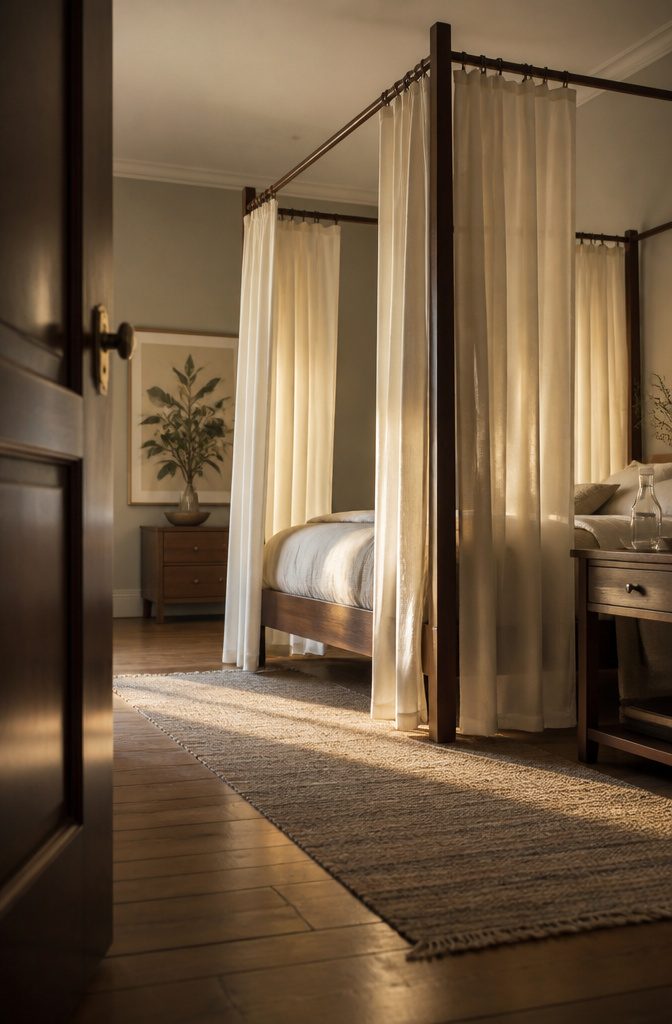
A canopy bed is four tall corner posts, usually wood or metal, joined at the top by a frame or rails that hold the fabric.
Hang curtains from the frame and you get a draped enclosure around the mattress. Leave them open for the fairytale look, or draw them for privacy, warmth, and a screen against light.
Curtains are the easy part to customize, so start with the fabric. Swapping panels costs far less than replacing the frame, and it lets you change the mood without touching the bed.
A canopy dominates the room, because the posts run floor to ceiling-height and the fabric adds volume on all four sides.
Choose it when the bed is meant to be the focal point, and skip it if the room is small or you want open sightlines.
Loft, Bunk and Trundle Beds
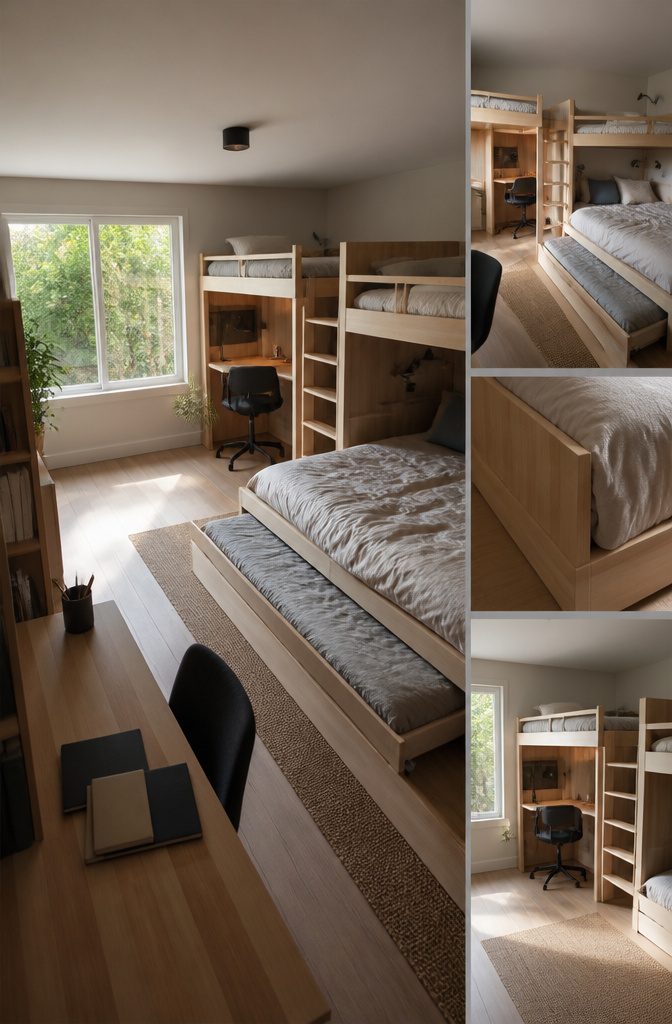
Each of these trades floor area for height or hidden sleeping space:
- Loft bed: The mattress sits high, so the floor below can hold a desk for studying or a second bed. It suits a compact teen room best.
- Bunk bed: Two sleepers share one footprint, which saves horizontal space. Adults can use bunks too, not just kids.
- Trundle bed: A low bed on wheels slides under the main bed and rolls out for guests or shared rooms. For occasional visitors it beats a bunk, because the room looks like a single-bed room the rest of the time. Day beds, captain beds and sleigh beds all come in trundle versions.
- Palace-style bed: This playful variation adds slides for a child’s room. It works as a bed and a play spot in one.
Murphy Bed
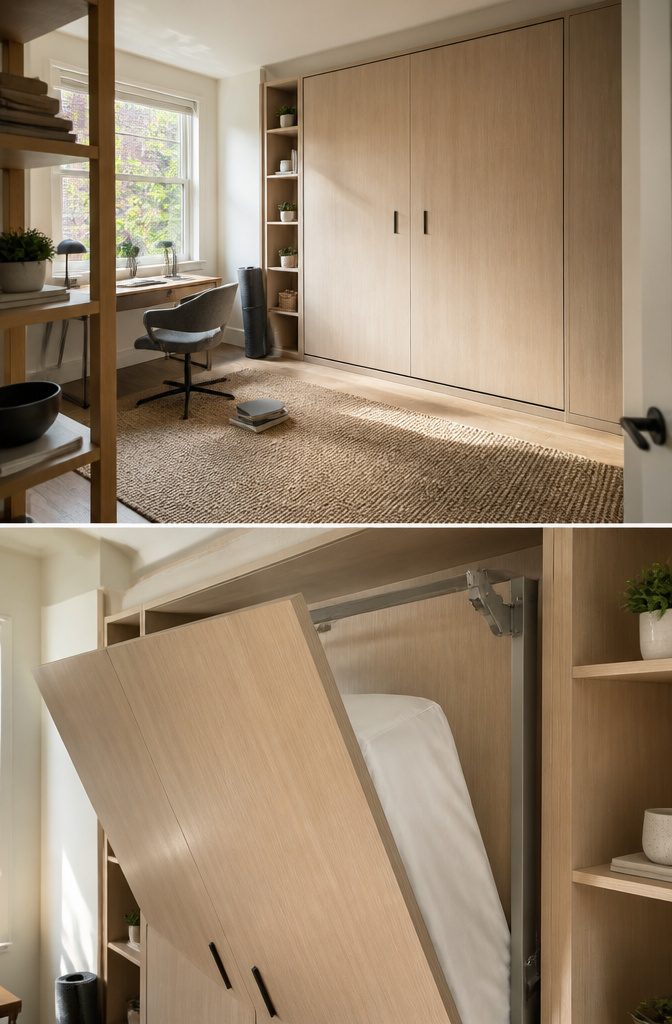
A Murphy bed folds vertically into a cabinet or against a wall, so the floor it covers at night is open again by morning.
That makes it the best fit for a studio, a guest room, or any room that has to do two jobs: bedroom after dark, then home office, workout space, or living area by day.
Folding the bed up each morning and pulling it down each night becomes part of your daily routine. The bed has to be folded up, with the floor in front of it clear, before the room works as anything else.
If you’d leave it down most days, a standard bed makes more sense. Wall-mounted models also call for a lease check if you rent.
Futon, Sofa and Diwan Beds
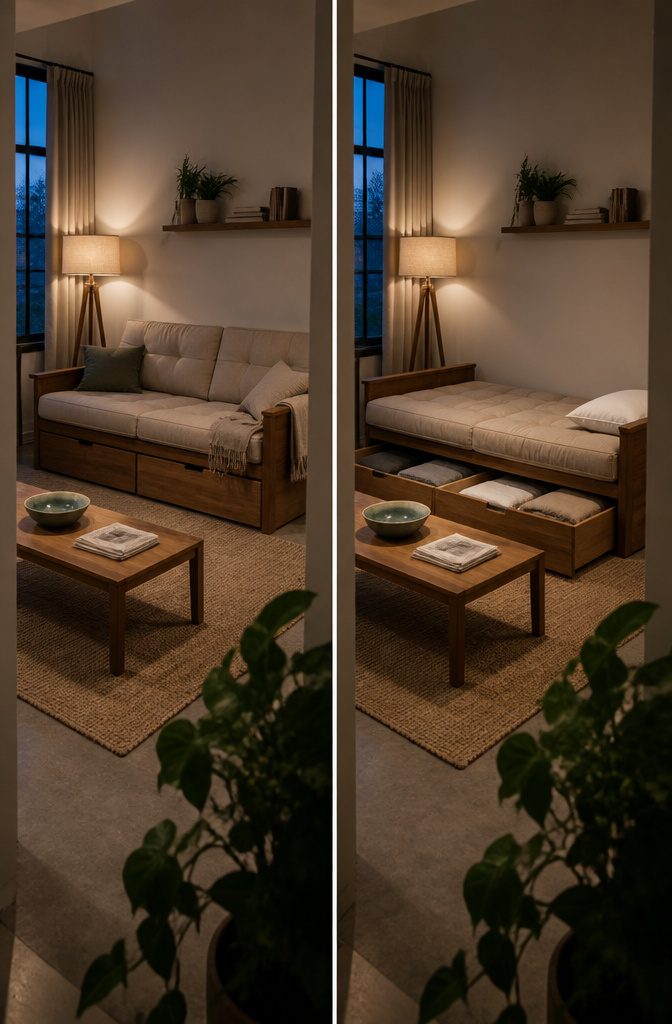
A futon is the simplest of the three. It sits as a snug chair by day and rolls out into a bed at night, so you handle the change yourself each evening and morning.
A convertible sofa bed does the same job with a pull-and-push mechanism, and the hidden drawers under the mattress hold the bedding.
For a living room that doubles as a guest room, the sofa bed with drawers is the better pick, because the storage absorbs the clutter a nightly setup creates.
The diwan skips conversion entirely. Its low wooden frame with a backrest or armrest stays one shape all day, so it suits a guest room or living room where you want lounging and sleeping on one surface.
Adjustable Bed
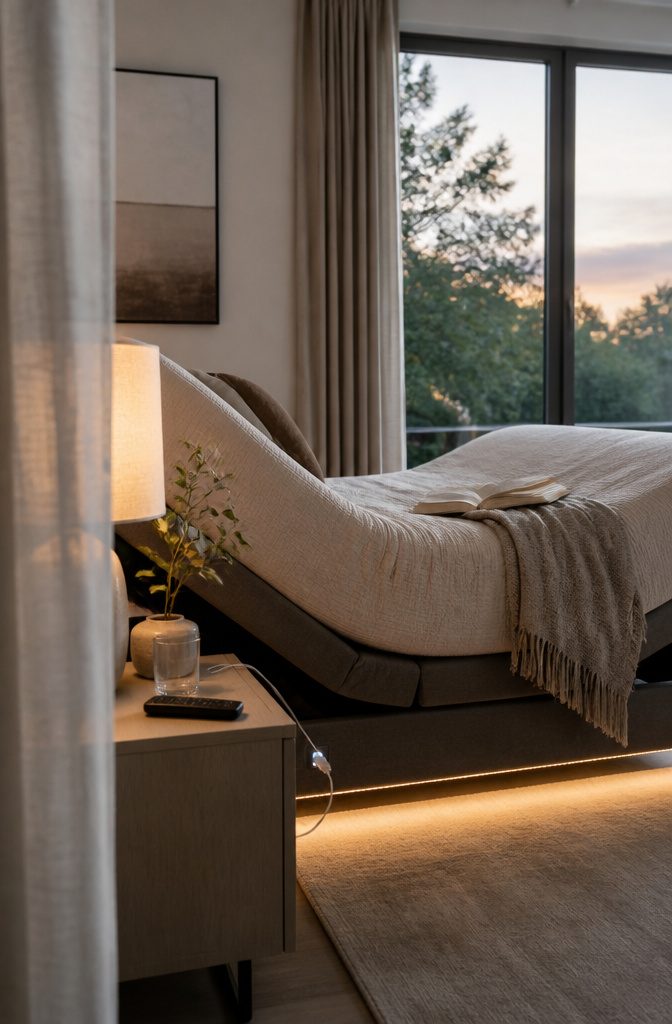
An adjustable bed sits on a motorized base that raises the head and foot independently. You can prop yourself up to read or watch TV, then lower the bed flat to sleep.
The same movement gives your back and legs ergonomic support in whatever position you choose, which is why it suits people with medical conditions.
Many modern models also add USB ports, LED lighting and smart-home integration. That means you can charge your phone at the bedside and tie the bed into the rest of your connected home.
This is the bed for comfort-first buyers. If a low, clean silhouette matters more to you than adjusting positions, a platform or floating frame will suit you better.
DIY Pallet Bed
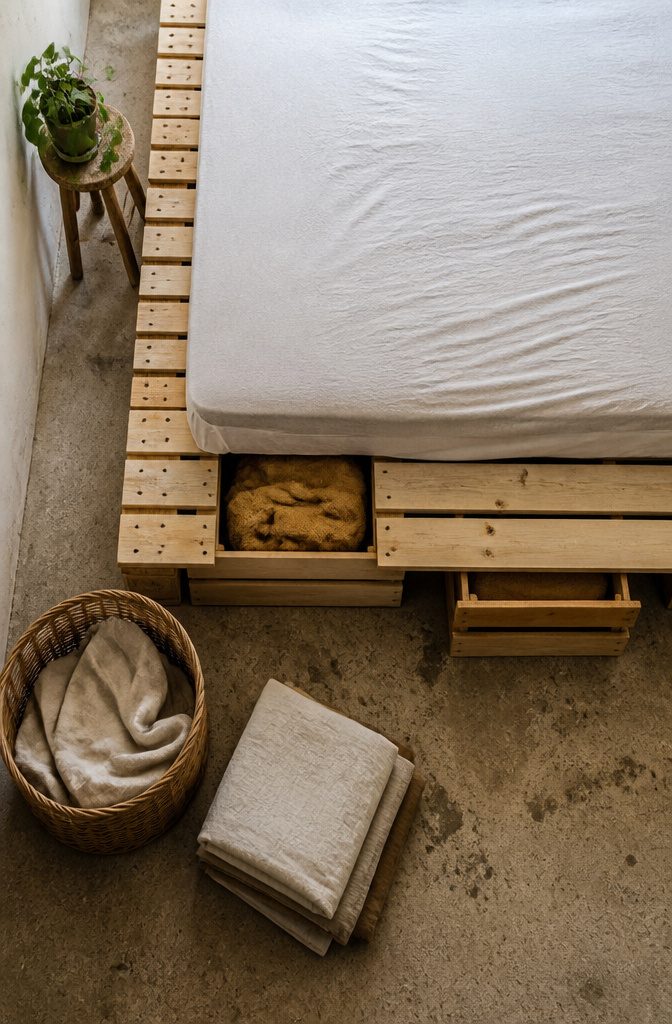
A pallet bed is the cheapest way into a platform bed, and you build it by hand.
Wooden pallets and pine wood crates are assembled into a sleeping platform, with the pallets forming the base and the crates adding height or storage underneath.
Extra lumber is optional, but add it when the frame needs more height or structural strength.
Because the frame costs so little, spend the money you save on a high-quality mattress.
A good mattress on a rough frame sleeps better than a cheap one on a polished frame. Sand every surface you touch, and check the pallet stamps: "HT" means heat-treated, while "MB" marks a chemical treatment you should skip indoors.
Space Use and Flexibility
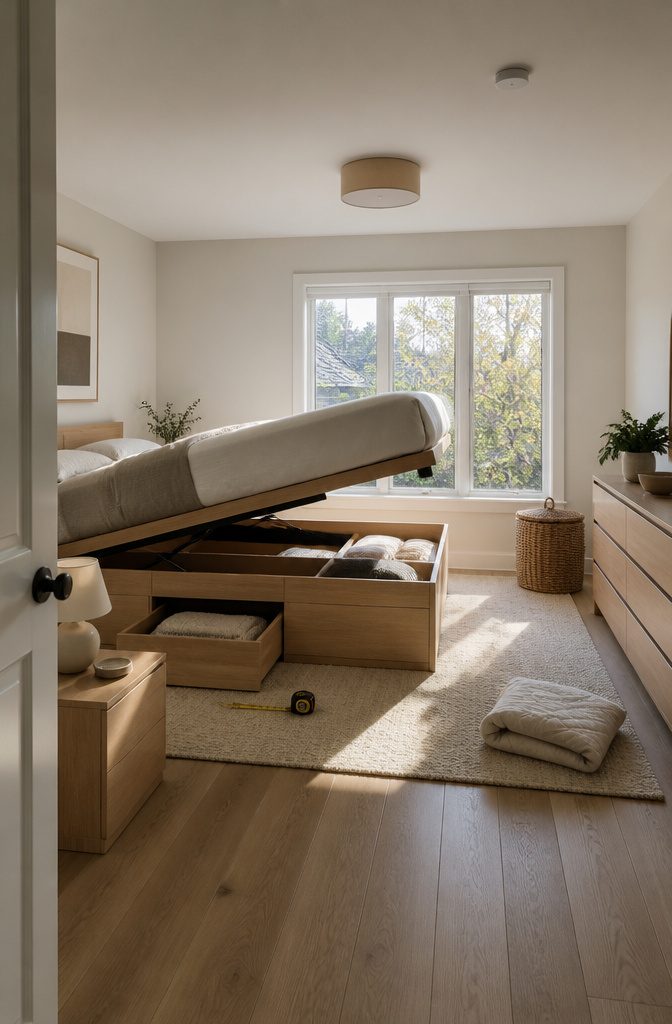
Loft and bunk beds free floor area by building up, which suits a small room best.
The space under a loft bed can hold a desk for studying or a second bed. Futons and other convertibles give the room a second job instead: a chair by day, a bed at night.
Murphy and trundle beds work the same way, so they make the most sense in a guest room or home office that needs to switch roles.
In a main bedroom, storage beds are the easier choice.
Under-bed drawers, lift-up platforms and hydraulic lift storage keep bedding out of sight and can replace a dresser. Drawers need clearance to pull out, so measure the floor beside the bed before you buy.
Comfort and Use
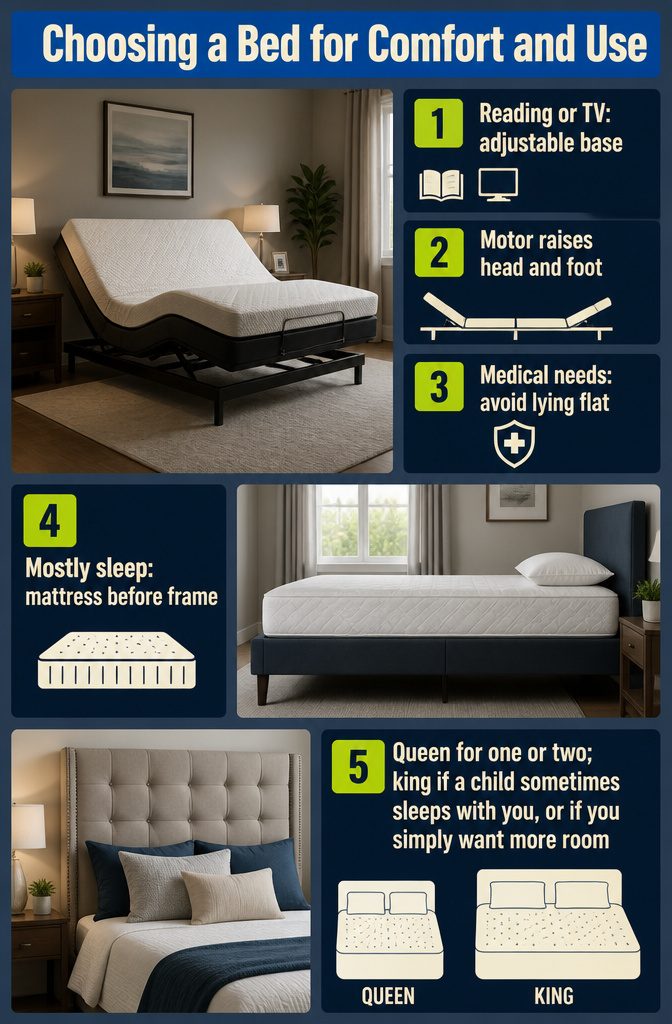
If you read or watch TV in bed, an adjustable base is the design to pick.
Its motorized base raises the head and foot, so you get support without stacking pillows. It also suits anyone with a medical condition that makes lying flat uncomfortable.
If you mostly sleep in bed, a plain flat frame is enough, and the mattress matters more than the frame.
Spend on the mattress first. A padded, upholstered headboard adds a softer backrest for sitting up.
A queen suits one or two people. Go with a king if a child sometimes sleeps with you, or if you simply want more room.
Style and Visual Effect
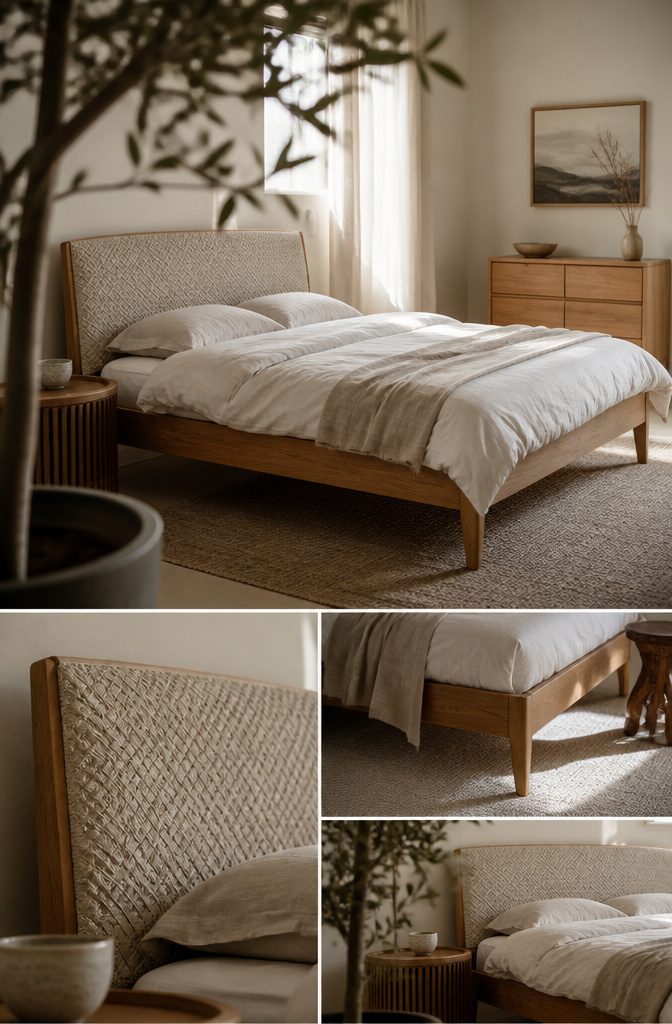
A bed takes up more visual space than anything else in the bedroom, so its style sets the tone before the bedding does.
A Scandinavian bed is the easiest look to live with: natural wood, tapered legs, clean lines, and a simple patterned headboard in neutral colors keep a room calm and clutter-free.
A carved antique wooden bed pulls the other way. It reads as timeless and spacious, and it works best when everything around it stays quiet.
Canopy beds and beds with slides are statement pieces, so choose one only if the room can carry it. With an upholstered frame, match the fabric and color to the room’s existing style rather than to a trend.